SOLD – 1265 Heathernoel Wy. Turlock

SOLD 1265 Heathernoel Wy. Turlock

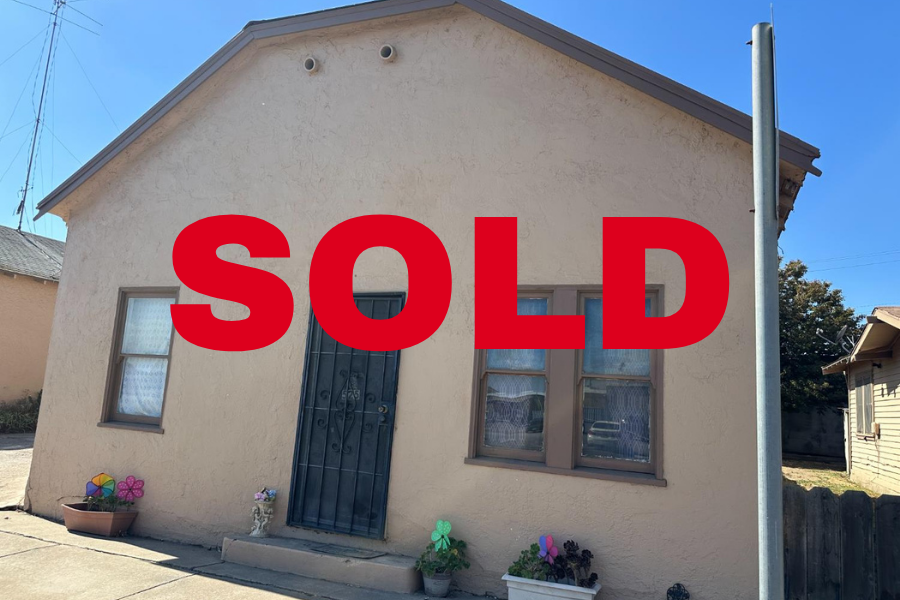
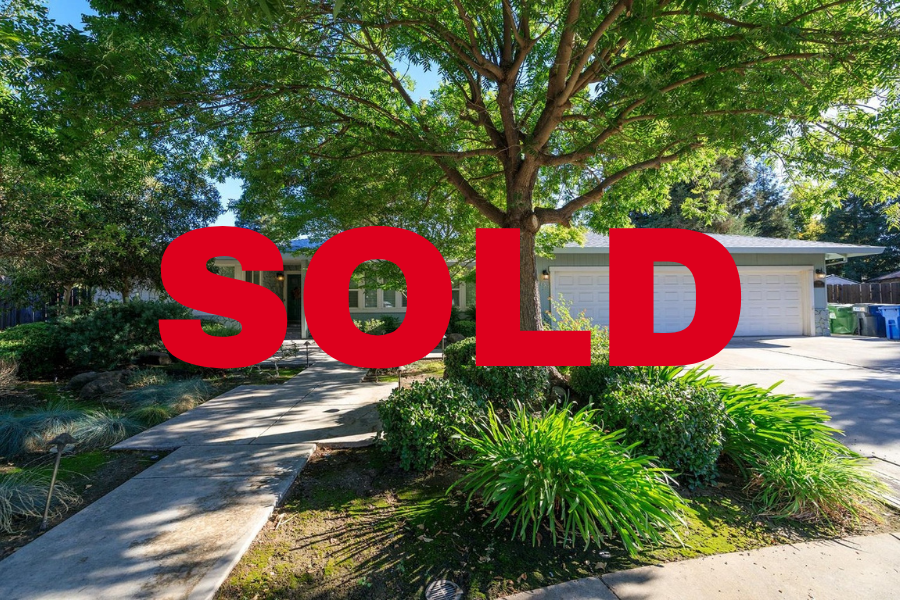
Charming Family Home in Prime Turlock Location. Discover this inviting 1, 481 square foot home with three bedrooms and two full bathrooms, perfectly designed for modern family living. Spacious family and living areas feature a cozy fireplace and soaring vaulted ceilings that create impressive openness, while large windows flood the interior with natural light and beautiful views. The generously sized kitchen boasts abundant cabinet storage, ideal for any home chef. The master bedroom offers a peaceful retreat with an exceptionally large walk-in closet. Inside laundry adds convenient functionality to daily routines. Positioned on a desirable corner lot, this property provides additional outdoor space and a welcoming backyard patio perfect for relaxation and entertaining. The location is unbeatable with walking distance to Markley Park for recreational activities and both Turlock Christian High School and Elementary for convenient school commutes. This well-maintained home represents an excellent opportunity for first-time buyers or growing families seeking a move-in-ready property in an established neighborhood with practical features and comfortable living spaces. A Must See~ 


SOLD – 2301 Monticello Ave. Modesto

SOLD - 2301 Monticello Ave. Modesto

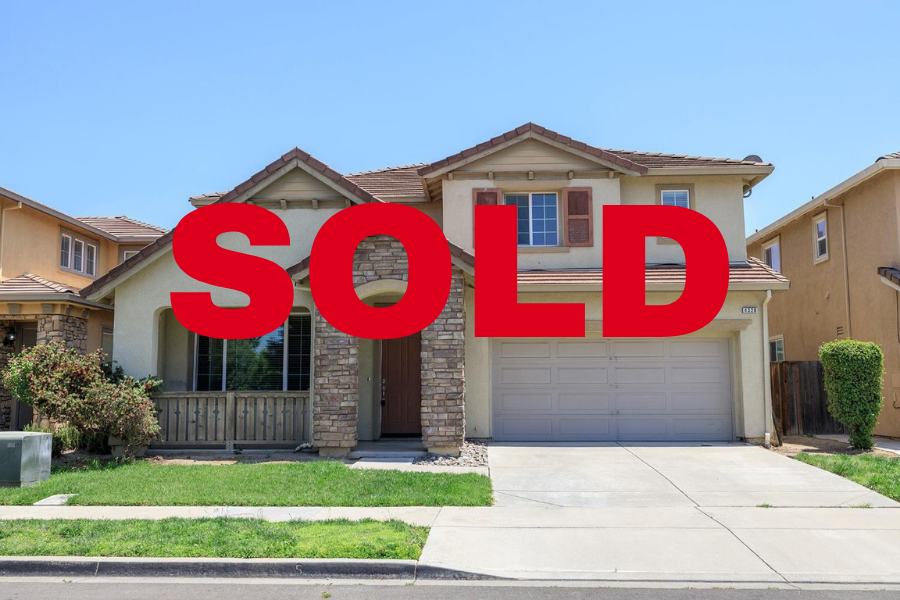
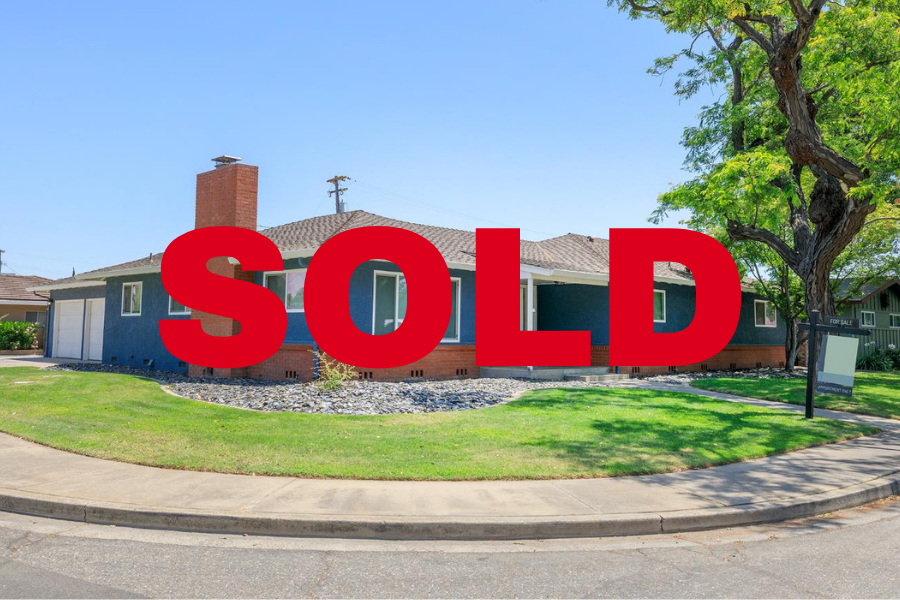
This charming family home features approximately 1,436 square feet with three bedrooms and two full bathrooms. The property showcases elegant hardwood floors throughout and includes a completely remodeled kitchen and updated bathrooms. Fresh paint and newer windows enhance the home’s appeal. A unique bonus room in the backyard serves as a hobby, craft, or guest space with air conditioning and a sink. The outdoor area offers an expansive patio perfect for entertaining, mature landscaping, and private fencing for complete privacy. Additional features include a tool shed and extra driveway space. The home is conveniently located near shopping centers, Highway 99, schools, and parks, combining suburban tranquility with urban accessibility. This property demonstrates exceptional pride of ownership and represents outstanding value for discerning buyers seeking a move-in-ready home with modern updates and versatile living spaces. The Fireplace is double-sided with both Gas and Wood to both the family and living areas. A Must See!!

The Advantages of Selling your Home using a Real Estate Agent

The Advantages of Selling your Home using a Real Estate Agent

When selling a home, the decision to hire a real estate agent is a significant one. While it involves paying a commission, the advantages a professional agent brings to the table can save you time, reduce stress, and, most importantly, help you secure a higher sale price.

Here are the key advantages of selling your home with a real estate agent:

1. Expertise and Market Knowledge

  • Strategic Pricing: A good real estate agent is an expert on local market trends. They will conduct a Comparative Market Analysis (CMA) of similar homes that have recently sold in your area. This data-driven approach helps you set a competitive price that attracts serious buyers, ensuring you don’t overprice your home (and deter buyers) or underprice it (and leave money on the table).
  • Understanding of Market Conditions: An agent is immersed in the real estate market daily. They know how to interpret market data, including supply and demand, the average time homes are on the market, and local economic factors that can influence your sale.

2. Powerful Marketing and Exposure

  • Access to the MLS: The Multiple Listing Service (MLS) is the most powerful tool in the real estate industry. Only licensed agents can list a property on the MLS, which syndicates your home’s information to thousands of real estate websites, including Zillow, Redfin, Realtor.com, and more. This gives your home maximum visibility to a vast network of potential buyers and their agents.
  • Professional Photography and Staging: A real estate agent will typically coordinate professional photography, and possibly videography and virtual tours, to make your home stand out online. They also provide expert advice on staging and minor repairs that will make your home more appealing and increase its perceived value.
  • Leveraging a Professional Network: An agent can tap into their network of other real estate professionals, previous clients, and industry contacts to generate buzz and find potential buyers before your home even officially hits the market.

3. Skilled Negotiation and Legal Guidance

  • Objective Representation: Selling a home can be an emotional process. An agent acts as an objective third party, helping you stay focused on the business aspects of the transaction. They can skillfully handle negotiations without being swayed by personal feelings.
  • Expert Negotiator: Your agent is experienced in negotiating not just the sale price, but also other critical factors like contingencies, inspection repairs, closing costs, and the closing date. Their expertise can help you get the best possible terms and navigate complex situations that can arise.
  • Handling Paperwork and Legal Compliance: A real estate transaction involves a mountain of paperwork, including contracts, disclosures, and legal documents. An agent is well-versed in this process and can ensure all the necessary forms are filled out correctly and on time, protecting you from potential legal risks.

4. Time Savings and Convenience

  • Buyer Vetting and Showings: An agent saves you from the hassle of coordinating and managing showings. They will screen potential buyers and their agents to ensure they are pre-qualified and serious, reducing the number of “looky-loos” and protecting your privacy and security.
  • Streamlined Process: From the initial consultation to the final closing, your agent handles all the logistics. They coordinate with other professionals, such as lenders, inspectors, and appraisers, to keep the transaction on track and ensure a smooth closing.

The Bottom Line: A Better Sale Price

While the commission is a cost to consider, numerous studies by organizations like the National Association of Realtors (NAR) have shown that homes sold with a real estate agent typically sell for a significantly higher price than homes sold by the owner (FSBO). This difference in sale price often more than covers the agent’s commission, resulting in a higher net profit for the seller.

Image: Canva Pro

Home Title Theft: How to Prevent It

Home Title Theft: How to Prevent It

It’s possible for someone to steal your home from right under your nose. Learn how to prevent it.

Sign up for title monitoring or check your title regularly to help prevent title theft.

Key Takeaways

    • Criminals who commit home title theft try to take ownership of someone’s home under false pretenses.
    • Title thieves may forge signatures or pressure homeowners to sign over their title.
    • Protect yourself by talking to an attorney before signing documents and keeping a close watch on your title.

Homeowners need to be aware of house title theft, a type of fraud that threatens an individual’s ownership of their home.

Property fraud in general is a costly problem. The FBI reports that in 2024, it received 9,359 complaints of real estate crime, a category that includes home title theft. Real estate crime resulted in losses of nearly $175 million that year. And in April of 2025, the Boston Division of the FBI sounded the alarm about increasing reports of a form of home title theft involving forgery.

Attorneys agree that home title theft is on the rise. “Home title theft is absolutely rampant at this point,” says Neil S. Cohen, president and managing attorney at Barsh and Cohen.

What Is Home Title Theft?

Home title theft occurs when a criminal claims an individual’s title, or legal ownership of their home, under false pretenses. It involves recording a deed that transfers title from the homeowner to the criminal.

Home title theft can be a form of identity theft if the thief impersonates the homeowner when recording the deed.

How Do Home Title Theft Scams Work?

The most straightforward method of title theft is forgery. In this scheme, the criminal creates a deed transferring title to themselves or a third party and forges the homeowner’s signature.

“They’re going to get that from the prior deed that they find. These are public records, right? Anyone can go look it up,” says Alisha Melvin, attorney and real estate broker at Alisha Melvin Esq.

The criminal gets the fraudulent deed notarized or forges a notary’s signature and records the deed with the local government office. The laws governing how title is recorded vary by location, but often there are no questions asked.

“There are places that you just go and record this deed. You don’t even have to show your ID,” Melvin says.

Once a fraudulent deed is recorded, the criminal can immediately make money from the bogus claim to ownership in the property, before the homeowner even realizes that they were the victim of a crime.

“At that point, there’s a cloud on the chain of title that you thought was yours, unencumbered and not clouded,” Cohen says.

Alternatively, criminals may misrepresent themselves and persuade or coerce the homeowner to sign over the title to their home. The homeowner might be under the impression that they’re signing a document that will allow them to get help with their mortgage or that they’re giving someone a gift.

“It’s when someone signs over their interest in a property, but they don’t understand the finality of what they’re signing over,” says Aissatou Barry, assistant professor of law and director of the housing justice clinic at Brooklyn Law School.

Lastly, if a homeowner passes away and has multiple heirs, a criminal might approach one of those heirs and offer to pay them to sign over their interest in the property. The criminal then falsely claims ownership of the entire property when they actually gained only a small partial share.

After Title Theft Occurs

Following the fraud, the criminal might evict the homeowner and rent out the property to new tenants. Or, they might sell the property to an investor or take out mortgages using the property as collateral.

If the homeowner doesn’t receive an eviction notice, they may not learn that they were victimized until much later. Melvin says that one of her clients found out when she applied for a new home loan.

“The only way she knew is when she tried to do a refinance. They’re like, ‘You don’t own your home. It’s in this other company’s name,'” Melvin says.

Title theft also becomes apparent when someone tries to sell their home or when a probate attorney looks up title after a homeowner’s death. And some homeowners find out about title theft when they discover that their previously vacant property has been developed.

“You come home from living in South Carolina to go look at your vacant land that you thought you were going to build your retirement house on, and there’s a McMansion there that’s got seven bedrooms, five bathrooms, and is 7,000 square feet, and you didn’t approve any of it,” Cohen says.

Who Is Vulnerable to Title Theft?

Title thieves frequently target older adults, especially those who are isolated and who don’t have anyone to help them with their finances. Con artists may also prey on immigrant communities or people with low incomes.

Criminals may zero in on homeowners who have tax liens or utility liens on their homes, who are in default or foreclosure or who are seeking loan modifications.

Homeowners in neighborhoods where property values are rising and residents are being priced out may also be at risk of title theft. Barry says that criminals search for areas where some homes are abandoned or distressed, then target homeowners in the vicinity.

When a homeowner dies, title thieves may try to claim title to the property or scam the heirs out of their ownership in the property. And criminals may try to steal the title to vacant parcels of land or to unoccupied properties, such as rental buildings or vacation homes.

How to Spot Title Theft

Warning signs of title irregularities include changes in property tax bills, utility bills, and other communications related to the home. If mail stops showing up, or if it’s addressed to someone else, you should investigate.

You might receive notifications related to mortgages or home equity loans that you didn’t apply for.

Another red flag is your home being listed for sale without your permission. “If you see a multiple listing service listing your property for sale, or you get notified that it is for sale, you may want to then contact an attorney to do an abstract of your title to ensure that you haven’t been a victim of title fraud,” Cohen says.

How to Protect Your Title

Consider taking the following actions to protect yourself against title theft. Some steps may prevent fraud or deter criminals, while others can boost your chances of detecting fraud and successfully defending against it.

Consult an Attorney Before Signing Documents

Don’t sign anything related to your home before checking with an attorney. If you can’t afford to hire an attorney, look for a legal aid clinic or speak to a HUD-approved housing counselor.

If you aren’t able to meet with an attorney or a housing counselor, Barry recommends at least showing documents to someone who isn’t affiliated with the person asking you to sign them.

“It’s important that they have a third party look through documents and confirm that they’re not handing over their property. Speaking to a professional is always best, but I understand that not everyone always has access to that type of resource,” Barry says.

Buy Owner’s Title Insurance With a Fraud Endorsement

When you close on a home, purchase owner’s title insurance in addition to the lender’s title insurance, that is usually required when you have a mortgage. Check that the policy includes a provision protecting against title fraud after you buy your home.

Owner’s title insurance doesn’t stop criminals from committing fraud, but it can cover the legal expenses you incur when clearing your title after the fact.

Sign Up for Alerts Through Your County

Some local governments have set up alert systems that notify homeowners when new deeds are recorded for their address, free of charge. Ask your local records office or recorder of deeds if this service is available in your area.

Although alerts don’t prevent fraud, they can notify you when questionable documents are recorded so that you’re able to act right away to clear your title.

Pay for Title Monitoring

If your county doesn’t offer alerts, you could pay for a subscription service that monitors your title for you and notifies you when new documents are filed.

These services are sometimes marketed as “title lock insurance.” Despite the name, they don’t lock your title or insure against title irregularities. However, they can alert you after the fact to new deeds that are recorded.

Check Your Title Regularly

Look up your title at regular intervals to confirm that no fraudulent deeds have been filed. Barry recommends checking your title when you file your taxes to make sure you get it done each year.

Place Your Property in a Trust or an LLC

If you can hire an attorney to set up a trust or an LLC for you, these structures may add a layer of protection against title theft. It’s more complex to transfer ownership of a property out of a trust or an LLC than it is to transfer it between individuals, and the added steps needed to accomplish the transfer might deter some criminals.

Record a Transfer on Death Deed

Many states allow the creation of transfer on death deeds, which are legal documents that designate someone to inherit a home after the owner dies. A transfer on death deed establishes a line of title between the homeowner and their heir and can be used to counter a title thief’s claims.

“This is helpful because it shows the clear intention of the homeowner in passing it along to specific individuals,” Barry says.

Don’t Do It Alone

Criminals target people who don’t have anyone to turn to for help, so try to find people you trust and can ask for guidance. Check in on older friends and relatives to make sure that they aren’t being pressured to sign documents and that they know where to seek help if needed.

What to Do if You’re a Victim of Home Title Theft

If you think you’re a victim of title theft, contact your owner’s title insurance company if you have a policy. The insurance company can help you with the next steps. Notify your mortgage lender, too.

You’ll likely need to work with an attorney to clear your title. This may involve filing an action to quiet title, which starts the legal process of determining who has the rightful title to the property, and requesting a lis pendens, or a notice that a property’s title is under dispute. A lis pendens can make it more difficult for a title thief to sell or borrow against the property while the title is being resolved.

You should report the fraud to the relevant authorities. Contact your local police and your state attorney general’s office. You can also report fraud to the FBI by calling (202) 324-3000 or at tips.fbi.gov.

Source: money.usnews.com ~ By: Sarah Brodsky ~ Image: Canva Pro

SOLD – 7167 E Keyes Rd, Hughson

SOLD - 7167 E Keyes Rd, Hughson

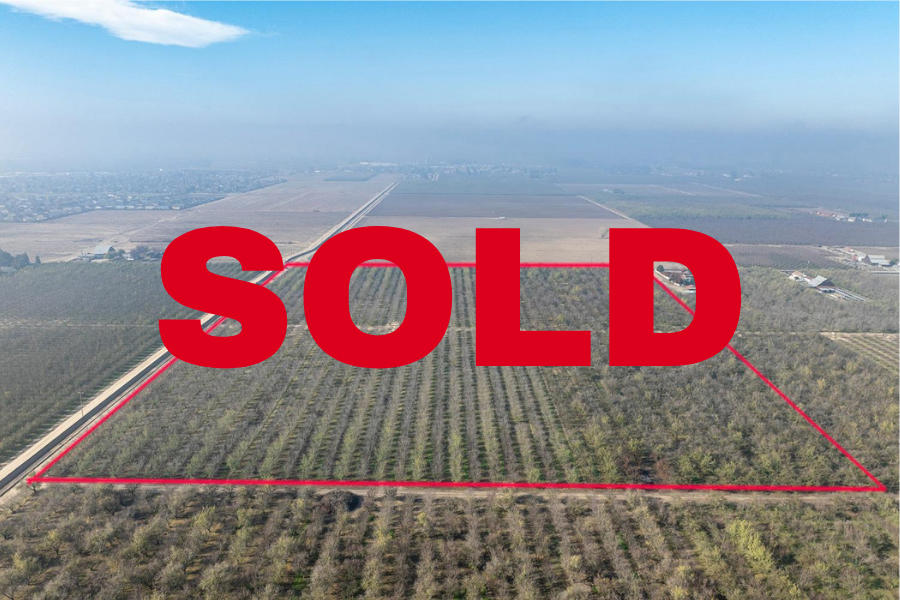
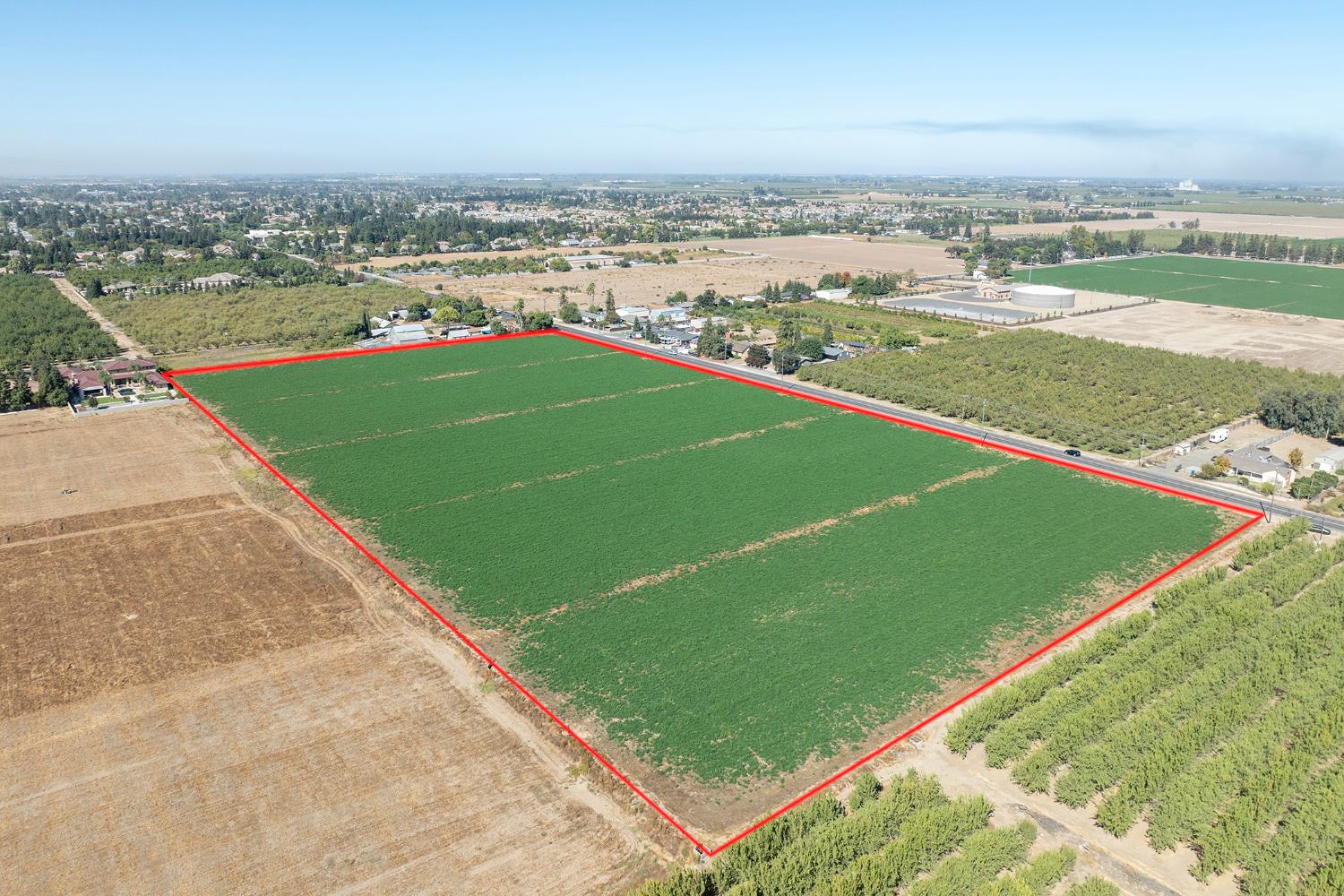
SOLD – Stunning Country Retreat on 19.3 Acres. Nestled in a picturesque setting, this charming farmhouse offers a serene escape from city life. Spanning 1350 square feet, the home features two spacious bedrooms and one full bath, complemented by an inside laundry area. The expansive family room is perfect for gatherings, and the property is maintained in great condition, boasting a super clean interior. Key Features with a Newer Roof (2006), Windows (1998), Stucco Exterior, & Domestic Well (2008). The property includes a 50×40 shop with three garage stalls with roll-up doors & along with a studio bedroom and full bath. Ideal for animal lovers, the corrals are perfect for 4H or FFA projects. The land features great sandy loam soil with Almond Trees, Nonpareil, and Carmel varieties planted in 2000. Located minutes from Highway 99, this property is a must-see for anyone seeking a tranquil country lifestyle. Additional Details: TID District Flood Water, ID Ag Well shared with neighbors, & close proximity to major transportation routes. This property offers a unique blend of rural tranquility and modern convenience, making it an exceptional opportunity for those seeking a peaceful retreat with ample space for projects. 


SOLD – 980 Tahoe Dr Turlock

SOLD - 980 Tahoe Dr Turlock

SOLD – Welcome to 980 Tahoe Drive. A warm and inviting home with a unique layout and thoughtful updates. The recently remodeled kitchen features newer countertops, cabinets, and drawers, and opens seamlessly into the living area, creating a spacious flow perfect for daily living or entertaining. A double-sided fireplace beautifully splits the living room into two cozy hangout zonesideal for relaxing, reading, or gathering with family and friends. Large slab tile flooring runs throughout the home, offering both style and durability. The low-maintenance yard is perfect for a busy lifestyle or those who prefer to spend their weekends enjoying rather than maintaining. Situated on a corner lot in an established, desired neighborhood near parks and schools, this home offers comfort, character, and flexibility to make it your own.

SOLD – 3824 S Commons Rd Turlock

SOLD - 3824 S Commons Rd Turlock

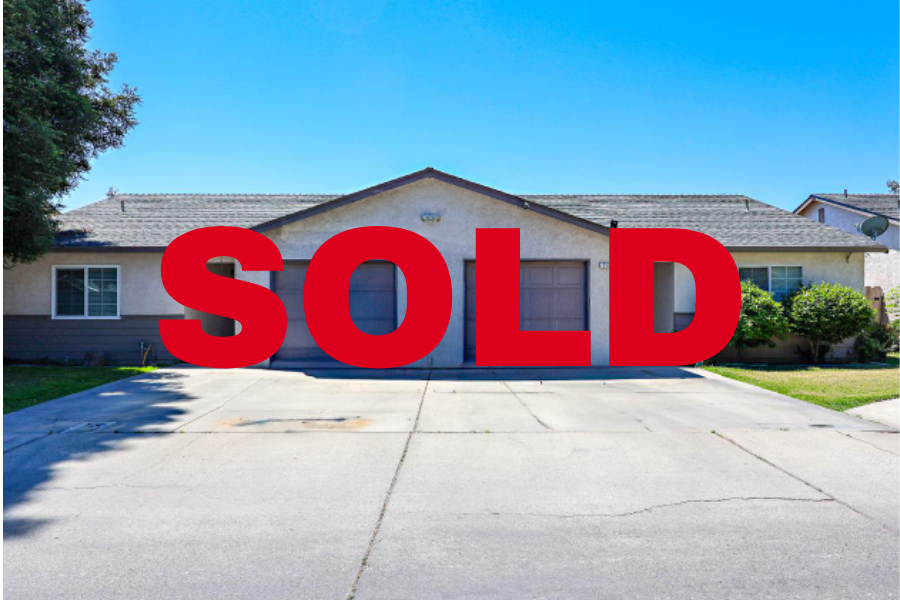
SOLD – Affordable Country Living At Its Best! Approximately 9.8 acres of prime farmland utilizing TID irrigation. Darling 2-bedroom, 1-bathroom home has recently been painted inside and out. Floor plan highlights the living room with wood floors and a brick fireplace as a focal point.  The Kitchen features tile counters/bar area and plenty of cabinetry for storage, and a stainless steel refrigerator. A large bathroom with a tub/shower enclosure is a plus. Extra built-in cabinetry in the hallway makes a perfect linen closet. Spacious bedrooms have ceiling fans. Upgrades include all dual pane windows, a newer water heater (2 years), and HVAC approx. 7 years old. The attached 2-car garage has a pedestrian door leading to the kitchen. Enjoy the panoramic mountain views in the front or hanging out on the back patio.

SOLD- 4270-4374 Sultana Ave, Atwater

SOLD- 4270-4374 Sultana Ave, Atwater

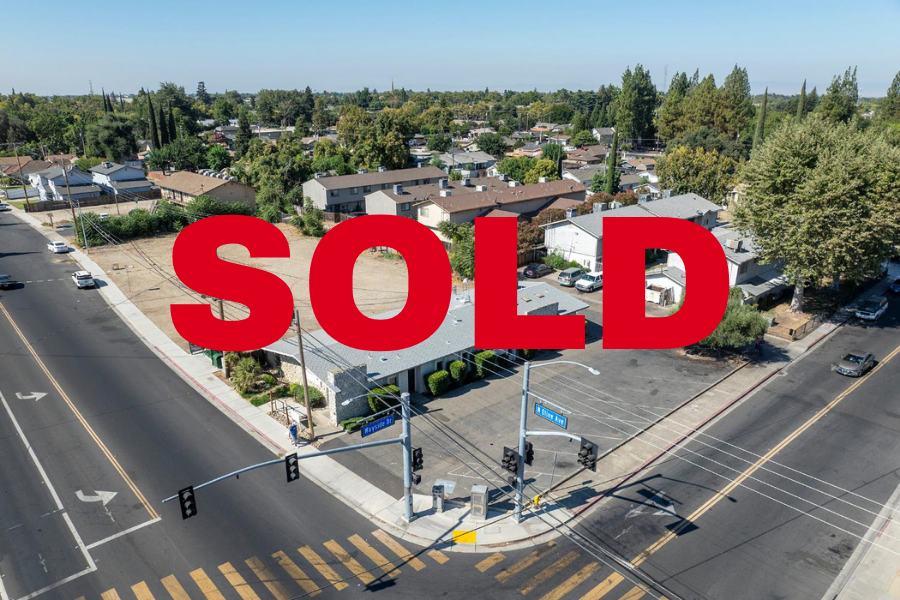
SOLD – Two Homes on Over 10 Acres w/ Farm Setting & Almond Orchard. Discover country living at its finest w/ this unique property featuring 2 separate parcels totaling over 10 acres & 2 distinct homes. The Main Ranch home offers 1, 510sf of inviting living space, including 3 spacious bedrooms & 2 full baths. Enjoy an open, desirable floor plan w/ large living areas connecting the family room, kitchen, & dining spaces. Picture yourself relaxing by the grand fireplace or taking in the serene farm views from the family room. The kitchen is a chef’s delight w/ abundant cabinetry, built-ins, a dining bar, & a formal dining area. The master suite features a walk-in closet, while the home also includes an indoor laundry room, an oversized 2-car garage, a detached RV storage garage, & a separate 2-car carport w/ storage. The property boasts mature almond trees (Nonpareil and Carmel, planted in 2000) on solid set sprinklers, providing both beauty & potential income. The second home is a well-maintained 1, 200sf mobile home w/ 3 bedrooms, 2 full baths, a separate property entrance, & its own address-perfect for extended family or rental income. Comprising a 1-acre & a 9.22-acre parcel, this is a must-see property that blends comfort, versatility, & rural charm. 

Avoid Foreclosure, ‘Equity Exit’ Strategy

Avoid Forecloser ‘Equity Exit’ Strategy

Mortgage delinquencies are on the rise in nearly half of U.S. states due to rising costs of homeownership, and many people—especially those who bought when interest rates were high or have recently faced job loss or rising expenses—are finding themselves in a tough financial spot.

While foreclosure can seem like the end of the road, there’s another option that’s often overlooked: the “equity exit.” Originally a strategy used by real estate investors, it’s now being used by everyday homeowners to sell their home and take back control before things spiral.

An equity exit won’t erase the hardship—but it can help you avoid serious credit damage, preserve some financial footing, and give you a chance to move forward on your terms before the worst happens.

What is the ‘equity exit’ strategy—and why has it mostly been used by investors?

The equity exit strategy involves selling a home before the bank forecloses, allowing you to access any remaining equity, pay off your mortgage, and avoid the credit-damaging consequences of foreclosure.

Unlike a short sale, where the lender agrees to accept less than what you owe on your mortgage balance, the equity exit strategy focuses on selling while there’s still time and value left in the house.

Historically, this strategy has been more commonly employed by investors in distressed markets rather than traditional homeowners since investors are often more attuned to market conditions and can act quickly to mitigate their financial losses. They recognize that, in a declining market, time is of the essence.

By selling before foreclosure, they can recoup some of their investment and prevent a total loss, which is especially critical when the property’s value is dropping and other costs (like taxes and maintenance) might outweigh any potential profits.

As awareness grows about the potential benefits of selling before foreclosure, more homeowners are beginning to consider the equity exit as a viable option. It can empower them to take control of their financial situations, much like investors have done for years.

How an equity exit can help homeowners reclaim control

If you owe more on your mortgage than your home is worth, it might be a smart option and often the least damaging path forward.  But while these benefits can be valuable, remember that this is still a loss in some respects as you’re parting with your home.

Avoid the long-term credit damage

One of the biggest advantages of selling before foreclosure is protecting your credit. A foreclosure can stay on your credit report for up to seven years, making it harder to qualify for future loans, credit cards, or even rental housing.

Walk away with some equity or cash

By acting quickly, you might still be able to recoup some of your home’s equity or at least walk away with a bit of cash, which could provide a financial cushion as you transition to a new living situation. The proceeds from the sale might even cover relocation costs or a rental deposit for a new place.

Stay in control of the timeline

Selling your home allows you to be in charge of the timeline. Instead of being forced into a rushed move during foreclosure, you can plan and make thoughtful decisions about your next steps.

Homeowners typically have several months before foreclosure proceedings take hold, but the exact timeline can vary by state and lender. That’s why it’s so important to reach out early to a real estate agent, investor, or financial adviser as soon as you realize you might have to sell.

The hard truth: You’ll still lose your home—but you can rebuild

An equity exit is not a silver bullet. Selling under financial pressure can sometimes mean accepting less-than-ideal offers, and ultimately, you won’t get to keep your home. Afterward, you might have to downsize or rent for a while as you get back on your feet as well.

But even in a difficult moment, this choice can open the door to something better than foreclosure.  Perhaps the biggest benefit of an equity exit is that it gives you—and not the bank—the power to decide what comes next.

After a sale, your focus can shift to rebuilding. That might mean repairing credit with consistent on-time payments, working with a HUD-approved housing counselor, or applying for rental assistance programs designed to help those who are transitioning out of homeownership. Local housing authorities and financial coaching services can provide guidance, rental support, and help for creating a realistic path forward.

It’s not the only option

Equity exit is one strategy—but it’s not the right fit for everyone. There are many other foreclosure alternatives, like a loan modification or short sale. A loan modification can adjust your interest rate or extend your loan term to make payments more manageable. A short sale, while still a sale at a loss, might be a better financial move depending on your lender’s terms.

Talking to a trusted adviser can help you weigh all your options and choose the one that’s right for your situation.

Source: realtor.com ~ By: Elissa Suh ~ Image: Canva Pro

Old vs New Homes: How old of a house should I buy?

Old vs. new homes

If you’re in the market to buy a home, you’ll likely wind up looking at lots of listings and touring many different types of properties. You may see some that are brand-new construction, and some that are a century old. Both have their appeal. If you’re not sure which one is best for you, here are some of the differences between old houses and new houses.

Old vs. new homes

While many aspects of housing have held true across the decades, there are plenty of different trends that affect homebuilding over time. Depending on the age of a home, you will notice different features, building methods and design choices.

Historic homes

Older homes are likely to have very different design sensibilities than modern ones. This is in part due to technological innovations, but also differing tastes over the years.

For example, truly historic homes often lack ductwork or central air systems, because those technologies did not yet exist when they were built. They may also boast old-school features like cast-iron radiators, clawfoot tubs and Victorian-style woodwork. And they tend to have smaller, more individual rooms, as opposed to the spacious open floor plans of modern homes.

These homes will also have different architectural styles than a newer build. For instance, midcentury homes often utilized unusual shapes and colors. And many neighborhoods built in that era have a cookie-cutter style, with the homes within each development all looking very similar to each other.

New-construction homes

If you’re looking at newly constructed homes, you’re likely to notice some current trends in how they are designed and built. Modern homes may sport features like metallic roofs and curvy building elements, for example. You may also see greater use of outdoor space — something that became much more important to homeowners during the pandemic.

Other trends may also be apparent, such as smart technology, energy-efficient features, central air systems, and living rooms oriented around space for a TV or entertainment center, rather than a fireplace.

Older home pros and cons

Pros

  • Location: Older homes are typically located closer to the center of towns, and in more walkable areas near more amenities. If you want a really central location, you may need to buy an older home.
  • Charm: Unique architectural details and flourishes give an older home personality that might be lacking in a newer, boxier build.
  • Value: A home with a strong sense of history, or one with a desirable architectural style in a historic neighborhood, may be worth more than a newer home of similar size.
  • Speed: If you’re buying a new-build home, you might face construction delays or supply-chain issues that slow down the process. With an old home, that isn’t a concern.

Cons

  • Outdated infrastructure: Technology has changed a lot over time, obviously. Old homes may still use older heating and cooling systems or have fewer electrical outlets than you’d like. Similarly, these homes might not be up to modern code, and renovating to bring things up to today’s standards can be costly.
  • Expensive upkeep: Brooks Conkle, a Mobile, Alabama–based Realtor, points out that ongoing maintenance costs can be higher in an older home. “The repair costs for older homes can quickly escalate,” he says. “Be sure to get a home inspection and really understand the home well. A newer home is [most likely] going to be in better condition and more energy efficient.”
  • Small or non-standard sizing: Older homes are often not designed for the size of modern appliances or furniture. You might find that your living room is too small for your sofa, for example, or that your kitchen requires an unusually sized refrigerator.

Newer home pros and cons

Pros

  • Energy efficiency: Newer homes are often designed with energy-efficient systems and are usually much cheaper to heat and cool.
  • Amenities: Newer homes can also take advantage of modern technology. That means they tend to already have conveniences like central air and dishwashers, for instance, whereas older homes might have to be retrofitted for this equipment.
  • Customization: If you’re buying a new-construction home, many builders offer the opportunity to customize it to your specific desires.
  • Home warranties: New builds also often come with home warranties. These can help protect you from major expenses that might pop up, such as unexpected HVAC or appliance issues.
  • Builder incentives: Homes being sold by the builder directly may come with additional incentives to buy, such as rate buy-downs.

Cons

  • High prices: With all their modern bells and whistles, newer homes are often more expensive than older ones. That can be particularly true of brand-new construction, where the buyer will be the first person ever to live there.
  • Homeowners associations: Many new developments are managed by a homeowners association, or HOA. That’s not necessarily a bad thing, but it does mean paying extra fees and dealing with restrictions on how you can use your home.
  • Competition: For a brand-new, move-in-ready home in a desirable location, you’ll probably face stiff competition — and in particularly busy markets, potentially even a bidding war.

Source: bankrate.com ~ By: T. J.  Porter ~ Image: Canva Pro