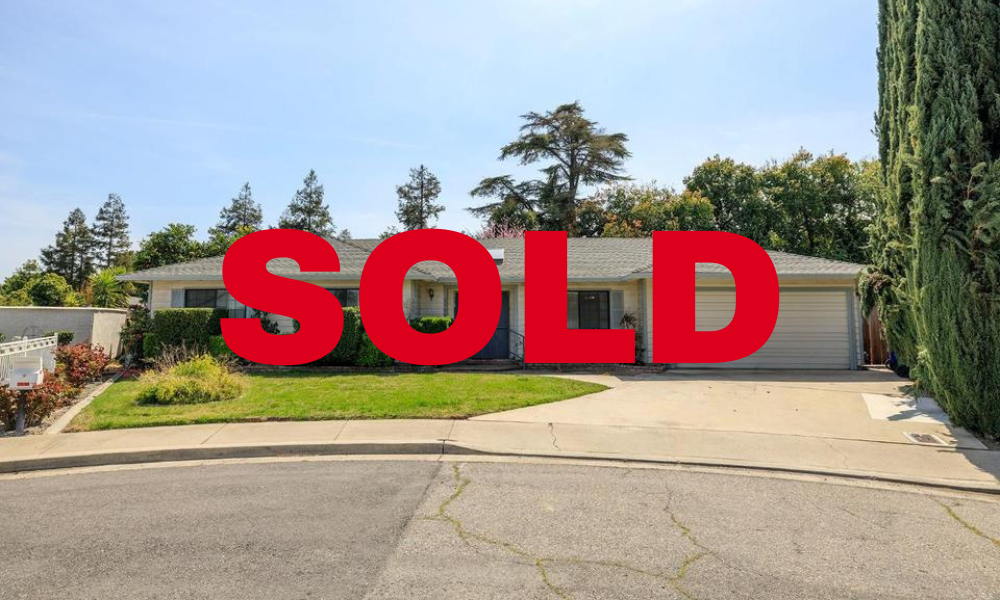
Lakewood Schools. Custom Home on a Huge Lot. Over 2700sf with a lot of 0.35 of an acre, Cul-de-Sac Lot. The home has Lots of Wood Work on Ceilings, Wood Clad Windows, and more. Pool with Huge Patio Areas and Decking Areas. 3 Car Tandem and 4 Bedrooms. A spacious side yard great for the gardener with a lush landscape & refreshing pool. The kitchen opens onto a Family room with a Dining bar and Casual dining for busy Lifestyles. The Front bedroom is perfect for an Office or Craft Room. Spacious Master suite with Fireplace, a Wonderful Deep Shower with a Separate Sunken Jetted Tub. A Must See! If you like to be close to downtown for work or nighttime activities this is the perfect home.
8 Things to Consider Before Buying a Rental Property
Investing in a rental property is a great way to generate steady, ongoing income. And if you hold on to a rental property for many years, it could appreciate quite nicely in value over time.
But investing in real estate isn’t the same thing as investing in assets like stocks. Real estate requires a lot of hands-on work, and there are notable risks involved. So if you’re looking at buying a rental property, be sure to consider these things first:
-
- Know your costs.
- Have a great real estate lawyer.
- Make sure your property isn’t subject to rental restrictions.
- Be mindful of surprise costs.
- Understand what being a landlord really means.
- Don’t assume hiring a property manager is a perfect solution.
- Prepare for your rental to sit vacant.
- Make sure you have plenty of cash reserves.
It’s important to purchase a rental property you can comfortably afford. But many first-time investors don’t realize what it takes to close on a rental property.
Lindsay Barton Barrett, a real estate agent with Douglas Elliman in Brooklyn, New York, explains that it takes more than just a down payment to finalize a rental property purchase.
“Even from the get-go, it’s really, really important to understand all of the actual closing costs on a purchase, because they can really creep up on you,” she says. Barton Barrett also warns that closing costs can’t always be financed, so it’s important to make sure you’re not maxing out your budget on a down payment itself.
When you’re making an investment in real estate, “you need to have the right professionals in place advising you,” says Barton Barrett. And she especially thinks it’s important to have a great lawyer.
Not only should your real estate attorney be doing plenty of due diligence for you, but they should also make a point to explain what they’re doing. As Barton Barrett explains, a lawyer might say “oh, this contract or arrangement looks standard.” But do you know what “standard” means? If you’re new to real estate investing, you may not.
When you’re looking to rent out a property on a short-term basis, there can be specific hurdles you might face that won’t apply to a long-term rental. Those restrictions, says Barton Barrett, tend to come at the local level, or at the HOA level for properties that are part of a homeowners association.
Now you may be inclined to move forward with a rental property purchase because you’ve seen a unit or home within the same complex listed consistently for short-term rental purposes. But Barton Barrett cautions that won’t automatically give you the green light to do the same.
“Don’t assume if the neighboring apartment shows up on Airbnb that it’s legal,” she says. “Airbnb does not police those situations.”
Surprise costs can eat into your profits and, in some cases, exceed them. These can range from rising property taxes to maintenance and repairs.
Barton Barrett warns, “If you’re renting out a condo, there may be fees associated with renting that unit out.” It’s essential that you understand what costs apply in these situations.
Barton Barrett also says that investors who buy rental properties in newly constructed or remodeled buildings can get hit with higher than anticipated property taxes. In that situation, she explains, “It can take a couple of years for property taxes to catch up to the value of a building or property that’s been renovated. Sometimes taxes can double over the course of a year.”
One way to potentially mitigate surprise costs when buying a rental property is to vet it thoroughly before completing your purchase, says Eddie Martini, strategic real estate investment advisor at Real Estate Bees.
“As you walk through the property, you want to look at things like a home inspector would,” he says. “Assume nothing functions properly until you prove it functions properly. “
Becoming a landlord doesn’t just mean taking on the expense of maintaining a rental property. It also means having to be available at all times and deal with tenant issues as they arise.
“It’s important to understand that if something breaks, you have to fix it right away,” says Barton Barrett. “You might be disturbed early in the morning or late at night if an issue arises.”
It’s possible to minimize your work as a landlord by hiring a property manager to oversee your rental. This solution may be appealing, but Barton Barrett warns that it isn’t perfect.
“Property managers are not all phenomenal,” she says. And, a property manager can go out of business, or fail to give your tenants the service they want.
Barton Barrett also says that delegating absolutely everything to a property manager could mean compromising the value of your investment. After all, if a property manager puts on the wrong roof, it’s going to hurt you financially.
That said, one benefit of using a property manager is that, according to Martini, they will “typically have access to vetted contractors who can assist with needed repairs.” So while you may not be able to rely on your property manager to do everything, their connections might come in handy.
When it comes to making money on a rental, a lot of the financial upside you see is apt to come in the form of property appreciation. But you’ll still need to cover your costs along the way. And Barton Barrett warns that you may not always have a tenant paying rent to offset those costs.
If you’re relying on commanding the top rent for your property, she says, “It might take six months to get a tenant instead of one.”
Because owning a rental property can cost more than expected, it’s important to have plenty of cash reserves on hand to cover those expenses as they arise. You might have to pay for a sudden repair, or you might end up with an apartment that has to sit vacant for a handful of months until a major issue is fixed.
Having a solid cushion of money in the bank could help you avoid cash flow issues when situations like these arise. And it might buy you more peace of mind. That said, when you own a rental property, there really is an endless opportunity for something to go wrong, and you’ll need to come to terms with that before taking the leap.
“If you want a worry-free investment,” says Barton Barrett , “real estate is probably not the right thing.”
Source: realestate.usnews.com ~ By: Maurie Backman ~ Image: Canva Pro
SOLD – 1760 Churchill Downs Cir. Oakdale
Remarkable Single Story Home in Oakdale. Almost 2700sf with 4 Bedrooms, 2 Full Bathrooms, and a 3 Car Tandem. New Paint Inside and Exterior, New Quartz Counter Tops, Completely Remodeled Master Bathroom, New Laminate Flooring Throughout, Newer Carpet, New Fence, New Backyard Concrete Paint, Newer Appliances, New Light Fixtures, New Workout Shiplap/Shelving in the Garage Tandem, and New Plumbing Fixtures. Huge Open Floor Plan with Large Living Areas. Kitchen Has a Large Island with Lots of Counters and Cabinetry. This Kitchen has a large Island with Sink, Stainless Steel Appliances, 4 Burner Gas Stove Top, Double Oven, and New Dishwasher. Master Bedroom is Large with an Enormous Walk-in Closet. This Backyard has a Big Pergola with a Dcor Retaining Wall, and a Large Area of Concrete to Entertain at Ease!!
Property Insurance: Definition and How Coverage Works
What Is Property Insurance?
Property insurance is a broad term for a series of policies that provide either property protection coverage or liability coverage for property owners. Property insurance provides financial reimbursement to the owner or renter of a structure and its contents in case there is damage or theft—and to a person other than the owner or renter if that person is injured on the property.
Property insurance can include a number of policies, such as homeowners insurance, renters insurance, flood insurance, and earthquake insurance. Personal property is usually covered by a homeowners or renters policy. The exception is personal property that is very high value and expensive—this is usually covered by purchasing an addition to the policy called a “rider.” If there’s a claim, the property insurance policy will either reimburse the policyholder for the actual value of the damage or the replacement cost to fix the problem.
KEY TAKEAWAYS
- Property insurance refers to a series of policies that offer either property protection or liability coverage.
- Property insurance can include homeowners insurance, renters insurance, flood insurance, and earthquake insurance, among other policies.
- The three types of property insurance coverage include replacement costs, actual cash value, and extended replacement costs.
How Property Insurance Works
Perils covered by property insurance typically include select weather-related afflictions, including damage caused by fire, smoke, wind, hail, the impact of snow and ice, lightning, and more. Property insurance also protects against vandalism and theft, covering the structure and its contents. Property insurance also provides liability coverage in case someone other than the property owner or renter is injured while on the property and decides to sue.
Property insurance policies normally exclude damage that results from a variety of events, including tsunamis, floods, drain and sewer backups, seeping groundwater, standing water, and a number of other sources of water. Mold is usually not covered, nor is the damage from an earthquake. In addition, most policies will not cover extreme circumstances, such as nuclear events, acts of war, or terrorism.
Property insurance includes homeowners insurance, renters insurance, flood insurance, and earthquake insurance.
Understanding Property Insurance
There are three types of property insurance coverage: replacement cost, actual cash value, and extended replacement costs.
- Replacement cost covers the cost of repairing or replacing property at the same or equal value. The coverage is based on replacement cost values rather than the cash value of items.
- Actual cash value coverage pays the owner or renter the replacement cost minus depreciation. If the destroyed item is 10 years old, you get the value of a 10-year-old item, not a new one.
- Extended replacement costs will pay more than the coverage limit if the costs for construction have gone up; however, this usually won’t exceed 25% of the limit. When you buy insurance, the limit is the maximum amount of benefit the insurance company will pay for a given situation or occurrence.
Special Considerations
Most homeowners purchase a hybrid policy that compensates for physical loss or damage caused by 16 perils, including fire, vandalism, and theft. The coverage, known as an HO3 policy, has certain conditions and exclusions. There is a predetermined limit on the coverage of certain valuables and collectibles, including gold, wedding rings, and other jewelry, furs, cash, firearms, and other items. No coverage is usually provided in an HO3 for accidental breakage/damage and mysterious disappearance (lost, misplaced) of valuables, including fine art and antiques.
HO5 homeowners coverage includes everything in an HO3 policy but is geared toward the structure itself and the property within the home, including furniture, appliances, clothing, and other personal items. An HO5 doesn’t cover earthquakes or floods. HO5 insurance policies are available to homes that were either built in the last 30 years or renovated in the last 40 years, and they typically cover any damages at replacement cost.
HO4 property insurance is usually known as renter’s insurance—it covers tenants from loss of personal property and liability coverage. It does not cover the actual house or apartment being rented, which should be covered by the landlord’s insurance policy.
Note that none of these coverage levels reimburses the homeowner for a property that breaks down or is damaged in more normal wear-and-tear situations, such as a roof that begins to leak without damage from wind and hail. That’s where home warranties—another way to protect your property—can be helpful.
Source: investopedia.com ~ By ALEXANDRA TWIN ~ Image: Canva Pro
What is home appreciation in real estate?
Home price appreciation has been relatively easy to achieve with the astronomical gains of the housing market over the last several years. But that’s starting to slow now as interest rates rise. Learning how home appreciation works — and how to make it work for you — can help you weather any type of market conditions.
What is real estate appreciation?
Real estate appreciation is the increase of your home’s value over time. The inverse would be real estate depreciation, which is the decrease of your home’s value over time.
Home values have soared in recent years: In January 2022 average nationwide real estate appreciation reached 19.1 percent, the highest level in 45 years, according to the CoreLogic Home Price Index. However, there are signs that things are now cooling off. New single-family home sales in April 2022 fell 26.9 percent from April 2021, according to data from the Census Bureau and the U.S. Department of Housing and Urban Development.
Those who have been in their homes for a while will likely retain the appreciation they’ve benefited from over the last few years, but future appreciation may be slower or harder to come by.
How is appreciation calculated?
Calculating real estate appreciation is simple. Take the current value of your home and subtract the home’s original purchase price. If you’re not sure of your home’s original purchase price, you may be able to see the sale amount on a website like Redfin or Zillow. Once you have the difference between the price you paid and your current fair market value, divide that number by the original value.
For example, say you purchased a home in April 2019 for the national median sale price at the time, which was $289,052, according to Redfin data. If that home were now valued at the April 2022 nationwide median sale price of $424,146, that would be an appreciation rate of 46.7 percent. ($424,146 minus $289,052 equals $135,094, and $135,094 divided by $289,052 equals 0.467.) An online percentage change calculator can help you run the numbers.
What’s the average home appreciation rate?
Not everyone experiences the wild increase in home value of our hypothetical example above. According to the CaseLogic report, in January 2022, the nationwide annual appreciation for detached properties was 20.3 percent. For attached properties, it was slightly lower: 15.2 percent.
In addition, the average rate of home appreciation varies greatly by location. For instance, the home appreciation rate in Colorado was 19.7 percent from December 2020 to December 2021, while the rate in Illinois over the same time period was 11.9 percent. Breaking down statistics by county and by city yields even more drastic differences.
Ways to add value to your home
Of course, you don’t have to just sit back and passively hope for your home’s value to increase. You can actively help things along by undertaking home improvement projects that add value. By investing in projects that can increase your potential sale price, you can maximize your home’s appreciation.
Big projects rarely provide a 100 percent return on investment — but that’s not necessarily a reason to avoid them. The National Association of Realtors’ yearly Remodeling Impact Report also accounts for what the NAR calls a “joy” score, accounting for the happiness homeowners reported with their renovations while still living there. If you’re looking for a more enjoyable house now with a greater resale value later, here are a few projects worth focusing on.
- Refinishing hardwood floors wins it all with a huge estimated cost recovery rate of 147 percent, and a perfect joy score of 10 (out of 10).
- Converting an attic into a living space has an estimated cost recovery rate of 75 percent, with a joy score of 10.
- A complete kitchen renovation also has an estimated cost recovery rate of 75 percent and a joy score of 9.8.
For those on a tighter budget, there are many ways to add value when it comes time to sell, without spending a fortune. These include deep cleaning and decluttering, freshening paint, and updating lighting fixtures and kitchen hardware.
Bottom line
Home price appreciation is the increase in your home’s value over time. With the extremely hot housing market of the last several years, home price appreciation rates have been extremely high. But the record-breaking gains we’ve been seeing, for the last year in particular, are unlikely to continue.
Source: bankrate.com ~ By Rae Hartley Beck ~ Image: Canva Pro
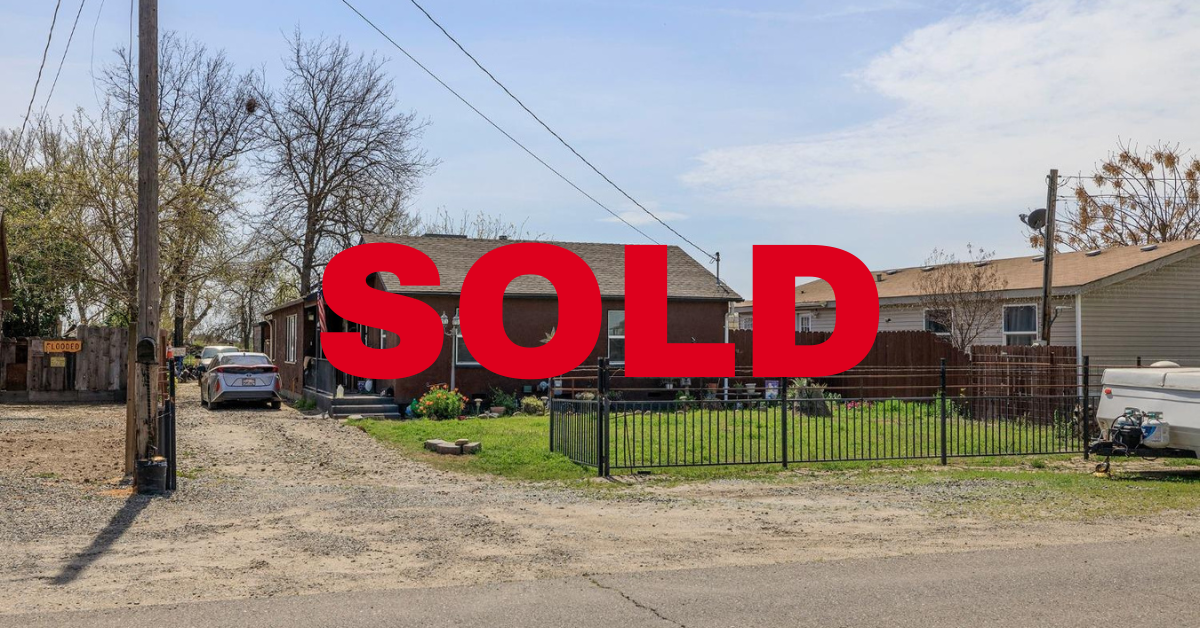
SOLD – 1002 Ashford Dr. Turlock
Single Story Home Near University, North Turlock. Corner Lot with RV Storage and Access. 4 car tandem Garage. Approx. 1759sf, 2 Bedrooms with Potential 3rd (Currently Used as an Office with Closet). Remodeled Master Bathroom, Granite Counter tops throughout, and Laminate Flooring. Walking distance to all schools from Elementary, Junior High, Pitman High, and Stanislaus State. Vaulted Ceiling in the Living Area, Inside Laundry, and a Great Family Plan.
How Do I Find My Property Lines?
Determining property lines can provide you with information for needed legal changes to your home and backyard.
You may feel confident that you know your property lines just by looking at your house and yard. The neighbor’s fence and where you mow your grass all seem to match the boundaries between other houses on your street.
Now imagine being so wrong about your property lines that you learn your house is built on the completely wrong lot. Even smaller mistakes or discrepancies between documents can lead to costly issues if you and a neighbor disagree over the location of your property line. Here’s what you need to know about finding your property lines, and how to use the information once you get it.
Why Is Knowing Your Property Lines Important?
From permits to purchases, being able to identify your property lines accurately makes it much easier to complete a project or move forward with a transaction.
In most official cases, having a new survey done is the way to go. “Let’s say, for example, you want to build a swimming pool, and you’re not 100% sure where that easement is. You could have a new survey done,” explains Cynthia Durham Blair, a residential real estate closing attorney based in Columbia, South Carolina.
When you purchase a home, it’s not uncommon for your mortgage lender to require a new survey to be conducted on the property. Even when that’s not the case, your title insurance company will likely recommend a new survey as well, so you know if the neighbor’s garage reaches over onto the property or if the outdoor kitchen encroaches on a sewer easement, which could be costly to remove down the line.
Blair says issues discovered in a new survey of the property may not be covered in the standard owner’s title insurance policy, but knowing those concerns before you close could help you decide if you need to renegotiate with the seller or walk away from the deal entirely.
Who Dictates Property Lines?
Depending on how your neighborhood was founded, your property may have been separated from the land around it at the behest of a developer, by the city, county, or state, or even by a neighbor who chose to sell a portion of a large plot of land. A surveyor plays the vital role of establishing formal boundaries and marking them. When a property is legally split, the new property lines are established in a survey.
You and your neighbor may agree to change your property lines yourselves, though this involves a boundary line agreement, also called a lot line agreement, that involves deeding the land in question and changing the legal description of both your properties.
Check Your Deed
Before you fork over the cash for a new survey, there are a few ways you can find your property lines for free. Your property lines are noted in a few different locations, including in the legal description for the lot, which would be on your property deed and on a plat map, which is typically available through your local assessor’s office or planning office.
A property’s legal description is most easily found on the deed to the property, and there are a few ways the description can be written. It could simply describe the property’s exact location as it exists on the plat map, or it may include specific details with precise measurements that allow you to walk the property lines from a nearby reference point.
Review a Plat Map
A plat map shows property outlines for an entire neighborhood or area. On a standard residential street, you can expect to see rectangles all about the same size lined up on each side of the street, which signify each privately owned property. Every individual property will be labeled with an identifying number, which is the parcel number assigned when the lots were planned for separate sale, and follows surrounding parcel numbers in numerical order. Your deed should note the parcel number, but you can typically find the parcel information if you look up your home through your local assessor’s office. The plat map is also your best bet to find your property lines online, as your assessor’s office may provide plat map snapshots through its website.
Spot Survey Markers
Being able to perfectly translate the legal description to establish the physical boundaries on your property can be quite the feat if you’re not trained to do so. Many properties have hidden markers at the corners that, if found, can help you follow your boundaries. When a survey is conducted, the surveyor will leave flags or stakes at the metal markers, which are typically buried or have a cap sticking out of the ground.
“In the newest subdivisions, (homeowners) can kind of do it themselves if they’re comfortable with a tape measure,” says Jonathon Lord, managing partner for Carolina Land Surveying, based in Little River, South Carolina.
Search for Survey Pins
Even if your property doesn’t have visible corner markers, you may be able to hunt for the buried markers with a metal detector. The metal poles, often made of rebar, can be buried up to 10 inches below the surface. Use a metal detector until it indicates metal is there, then dig to be sure that what you’ve found is the marker.
Before you dig for the marker, be sure you know the location of any buried wires or irrigation systems to avoid causing damage. The universal phone number for U.S. homeowners to request buried utility information is 811, and with a few days’ notice, someone from your local utility company should be able to mark county wires or pipes with spray paint.
Even if you know the location of your property lines, you should be sure of the location of any buried utilities before starting a project that requires digging. The Common Ground Alliance, which aims to reduce damage to underground infrastructure, operates Call811.com as an additional resource to help people across the U.S. and Canada know where utilities are located before digging.
Hire a Surveyor
For existing residential properties, a surveyor specializes in making precise measurements to locate the legal boundaries of a plot of land and any improvements to the property, from the house and driveway to a swimming pool or backyard shed.
Taking the details from the legal description and plat map, a surveyor carefully measures the legal boundaries of your property. The surveyor will bury survey pins if they’re not already there and often mark the spots with stakes or flags for easy use.
The complexity of a survey depends on the geography of the area, what’s on your property, and what surrounds it. In an area where homes were built relatively recently and there are few trees, a survey could be completed as quickly as 30 to 45 minutes, says Mike Stanley, owner of Stanley Land Surveying, based in the Huntsville, Alabama, metro area.
But in an older neighborhood, where lots of properties have fences and established trees, “a half acre could take you two to three hours,” he says.
HomeAdvisor reports the typical price range to hire a land surveyor is between $375 and $744, with the national average at just about $525. Depending on the size of your property and where you live, you could see that price rising past $1,000, according to HomeAdvisor.
Avoid Trusting Fence or Driveway Boundaries
Don’t use fence lines, driveway boundaries or your neighbor’s garden as a point of reference. Just because you’ve assumed that’s where your property ends don’t mean it’s accurate. “If the fence was built and they didn’t get a survey, they built it where they thought the line would be” rather than where it actually is, Stanley says.
Look at Sidewalk Cuts and Streetlights
If you’re looking for clues as to where your property might start and end, streetlights or telephone poles at the road are commonly placed on property lines. Similarly, many cities will follow property lines when pouring concrete for sidewalks by including a cut at the property lines, making each property have a complete number of sidewalk squares.
While these details may be more reliable than following your neighbor’s fence, they’re still not always accurate. Don’t consider breaks in the sidewalk or the location of a streetlight as a definitive marker of your property line without checking the survey first.
Can You Locate Your Property Lines Online?
The publicly recorded documents that can help you find your property lines are typically available online through your local assessor’s office. These include the deed, which includes the legal description of your property and the plat map, which will show an outline of your property with others in the area.
How to Handle Disputes Over Property Lines
If you and your neighbor disagree about the location of your property lines, the quickest solution is to hire a surveyor to provide a definitive answer.
If your neighbor is encroaching on your land and refuses to stop, you may want to enlist the help of a real estate attorney. Without action, enough time could pass to make the encroachment a prescriptive easement, which can mean that you lose the right to require your neighbor to remove a fence or stop using the portion of your property.
Source: realestate.usnews.com ~ By Devon Thorsby ~ Image: Canva Pro
Equity Gains for Today’s Homeowners
Today’s homeowners are sitting on significant equity, even as home price appreciation has eased recently. If you’re a homeowner, your net worth got a boost over the past few years thanks to rising home prices. Here’s what it means for you, even as the market moderates.
How Equity Has Grown in Recent Years
Because of the imbalance between how many homes were for sale and the number of homebuyers in the market over the past few years, home prices appreciated substantially.
And while price appreciation has slowed this year, that doesn’t mean you’ve lost all the equity in your home. In fact, the latest Homeowner Equity Insights report from CoreLogic finds the average homeowner’s equity has grown by $34,300 over the past year alone.
And if you’ve been in your home longer than that, chances are you have even more equity than you realize.
While that’s the national number, if you want to know what happened in your area, look at the map below from the Federal Housing Finance Agency (FHFA). It shows on average how much home prices have risen over the past five years, which has been a major driver behind equity growth.
Why This Is So Important Right Now
While equity helps increase your overall net worth, it can also help you achieve other goals, like buying your next home. When you sell your current house, the equity you’ve built up comes back to you in the sale, and it may be just what you need to cover a large portion – if not all – of the down payment on your next home.
So, if you’ve been holding off on selling, it may be time to find out how much equity you have and how it can help fuel your next move.
Bottom Line
Homeownership is a long game, and if you’re planning to make a move, the equity you’ve gained over time can make a big impact. To find out just how much equity you have in your current home and how you can use it to fuel your next purchase, connect with a local real estate professional.
Source: keepingcurrentmatters.com ~ Image: keepingcurrentmatters.com
SOLD – 19535 Rexham Ct. Hilmar
How Does Escrow Work When Selling a House?
It is highly probable that you will have to familiarize yourself with the escrow process if you are selling a home. Whether you have built one house or have a list of homes you want to sell, each real estate transaction will be finalized through the escrow process.
Escrow agents will handle the release of the property to the buyer of the new home, as well as the release of the funds for the new home sale once the transaction is closed. In this article, we will go over exactly what the process to sell your home(s) with an escrow service in California entails.
New Home Sale Escrow Process, Step-by-Step
Below, you will find the steps of the escrow process for a new home sale. Although this process outlines the escrow process for the state of California, the list of steps written below can be applied to other states as well.
How to successfully close a new home sale escrow transaction
- First, with the assistance of the escrow company, you will set up the terms of the escrow agreement with the buyer of the new home.
- The buyer will deposit all the agreed-upon funds into the escrow account, covering the full sales amount of the home, plus any additional fees.
- The buyer will then present all relevant documentation to the escrow company to uphold the real-estate agreement.
- The seller will deposit a deed to the property that names the buyer as the owner of the new home.
*This deed is crafted by the escrow company to meet all federal and state guidelines.
- Then, the seller will present any additional required documentation to close the new home sale.
- If the above conditions are met within the stated escrow timeline, the transaction closes and the property ownership is recorded to the new buyer.
How Much Does Escrow Cost for a New Home Sale?
Many wonder about the actual cost of using an escrow service. Although the price depends on each specific transaction as well as the state it is being held in, a real-estate escrow process normally costs between 1% and 2% of the transaction price.
It is important to remember that the price you see an escrow company charge might not always be the full price you end up paying for your escrow service. Many escrow companies will add hidden fees on top of the percentage of the transaction price. To avoid this problem, choose an escrow service that is fully transparent with prices.
The escrow process can get even more expensive if things go wrong during a transaction. An escrow process that drags out can be emotionally draining for sellers that have spent years building a new home they want to be sold, making it all the more important to choose an escrow service that is fast and efficient.
How Long Does Escrow Take for a New Home Sale?
As mentioned before, the escrow process can drag out considerably depending on a variety of factors, including state laws, what parties have agreed to, and who the escrow service provider is. In the hands of the right escrow agent, however, the new home sale escrow process shouldn’t take more than 30 days.
Should be a 30 Day Escrow Process
New home sales that take longer than 30 days to finalize will leave both parties in the escrow agreement in limbo while money sits in an escrow account. This can not only add extra costs to the escrow process but will leave all parties involved extremely frustrated. The emotional cost of a bad escrow should also be calculated when choosing an escrow provider.
Choosing The Right Escrow Service
The escrow process timeline depends largely on your specific transaction. However, it is also crucial to choose an escrow service that guides you through the entire process and implements technology that makes the escrow process fast, easy, and effective.
If you are selling homes and need an escrow provider to manage the transaction, then New Venture Escrow offers the easiest and fastest escrow in California. Contact our escrow experts and we will guide you through the escrow process for a new home sale. If you just need more help and want to learn the escrow process for a home resale or how escrow works when refinancing, check out the other resources available on our website.