What Credit Score Do You Need to Buy a House?

What Credit Score Do You Need to Buy a House

The lender and the type of loan you choose determine the credit score you need for a mortgage.

Mortgage lenders consider your credit score a measure of your ability to responsibly manage debt. The higher your credit score, the better your chances of being approved for a home loan, and vice versa. Having good credit can also make it possible to qualify for a mortgage with more competitive terms, like a lower interest rate.

The minimum credit score you need to buy a home depends on the type of mortgage you plan to borrow. A conventional mortgage usually requires a credit score of at least 620, but it may be possible to qualify for a government-backed loan with a score as low as 500.

However, just because you’ve reached the minimum credit score to borrow a mortgage doesn’t necessarily mean you’ll meet all the other eligibility requirements. And generally, having a higher credit score will help you qualify for a home loan with a lower mortgage rate, so it’s important to work on improving your credit score well in advance of buying a home.

Minimum Credit Score Requirements by Loan Type

Mortgage credit score requirements vary based on a number of factors, including the loan type, amount and lender.

Conventional conforming loans, which are not backed by a government agency, require a minimum credit score of 620 in order to meet the criteria to be purchased by Fannie Mae and Freddie Mac. Jumbo loans that exceed the conforming loan limits have stricter eligibility requirements for credit score, down payment and income.

Meanwhile, government-backed mortgages are insured by a federal agency, such as the Federal Housing Administration, the Department of Agriculture or the Department of Veterans Affairs. This government guarantee protects the lender if you default on your mortgage, which translates to less stringent credit score requirements.

You can see minimum credit score criteria by mortgage type in the table below.

MINIMUM CREDIT SCORE WHO CAN BENEFIT
Conventional loan 620 for fixed-rate loans; 640 for adjustable-rate mortgages; lenders may have stricter requirements. Well-qualified buyers seeking a traditional mortgage.
FHA loan 580 with a 3.5% down payment; 500 with a 10% down payment. Homebuyers with fair credit and small down payments.
USDA loan No set minimum; borrowers with a score of 640 or higher may qualify for a streamlined credit analysis. Qualified buyers purchasing homes in designated rural areas.
VA loan No set minimum; lenders may require a score of at least 580. Active-duty and retired military personnel who are buying or refinancing a home.
Jumbo loan 700, depending on the lender; higher loan amounts may require stronger credit scores. Buyers borrowing a mortgage that exceeds the conforming loan limit.

Why Credit Score Matters When Buying a Home

In general, having a higher credit score makes it possible to qualify for better loan repayment terms, such as a lower mortgage rate. This is true regardless of which type of mortgage you decide to borrow.

For conventional loans, your credit score directly correlates to the mortgage rate you pay through loan-level price adjustments. Borrowers with a FICO credit score above 780 and a down payment of at least 40% will see the lowest possible financing charges, while those with a score below 640 could see the highest rates available.

Even a small difference in your mortgage rate can translate to thousands of dollars in savings over the life of the loan. On a $250,000 30-year loan with a 6% mortgage rate, you can expect to pay $289,595 in interest charges over the duration of the loan. With a rate increase of just a 0.25 percentage point, you’d pay an extra $14,550 in interest by the time the loan is fully repaid.

A lower mortgage interest rate can also help you save money in your monthly budget. The monthly principal and interest payment on the same loan at 6% would be $1,499, compared with $1,539 at a 6.25% rate.

Other Eligibility Criteria for Getting a Mortgage

Your credit score is just one measure of your financial health, and it’s not the only factor mortgage lenders will consider when determining your eligibility for a home loan. Here are some additional criteria that affect your chances of mortgage approval:

  • Debt-to-income ratio, which is your total monthly bills divided by your gross monthly income. Having a DTI ratio of 43% or higher may make it more difficult to qualify for a mortgage.
  • Loan-to-value ratio, which is the loan amount divided by the house purchase price. If you have a higher down payment, your LTV ratio will be lower, and vice versa.
  • Negative credit history, such as defaulted loans, foreclosure or bankruptcy. For example, you need to wait two years after bankruptcy to apply for an FHA loan.
  • Liquid assets, such as savings and investment accounts. This is particularly important for jumbo loan borrowers who are buying multi-million-dollar homes.
  • Profits and losses, if you own a business. This can help measure your likelihood of repaying a mortgage as a self-employed individual.

How to Prepare Your Credit Score for Buying a Home

If your credit score is holding your back from buying a home, you should start building better credit now. If you have bad credit, it could take months or a year to get your credit in shape to qualify for a mortgage. Here are a few steps to help improve your credit score before applying for a home loan.

1. Check Your Credit Score and Report

Before you can come up with a plan to boost your credit score, you’ll need to find out where you currently stand. Many banks and third-party financial apps let you check your FICO score for free without damaging your credit.

You should also get a copy of your credit report from all three credit bureaus – Equifax, Experian and TransUnion – on www.AnnualCreditReport.com. Your credit report provides an in-depth look into your financial history, including your outstanding debts, total accounts and on-time payment record. If you find errors on your credit report, dispute them with the bureau directly.

2. Find Areas for Improving Your Credit Score

With your credit report and scores in hand, look for areas where you can make improvements before you apply for a mortgage. Here are a few common credit issues and how to resolve them:

Poor on-time payment history: Enroll in automatic payments for credit cards, auto loans and other bills. Additionally, make sure any bills you pay each month (such as rent or buy now, pay later installments) are reported to the credit bureaus.

High credit utilization: Pay down your credit card balances. You can also request a credit line increase, but make sure not to rack up more debt just because your limit is higher.

Low age of credit: Keep older, well-established accounts open. If you have a credit card account that you never use, consider charging it once every few months and paying off the balance to keep it active.

3. Avoid Applying for New Credit While You Shop for a Home

Opening a new account, such as a credit card or auto loan, lowers your average age of credit and results in a hard credit inquiry that can lower your score by a few points. Importantly, applying for new credit after you’ve already been preapproved for a mortgage can pose big issues during the underwriting process.

Source: money.usnews.com ~ By  ~ Image: Canva Pro

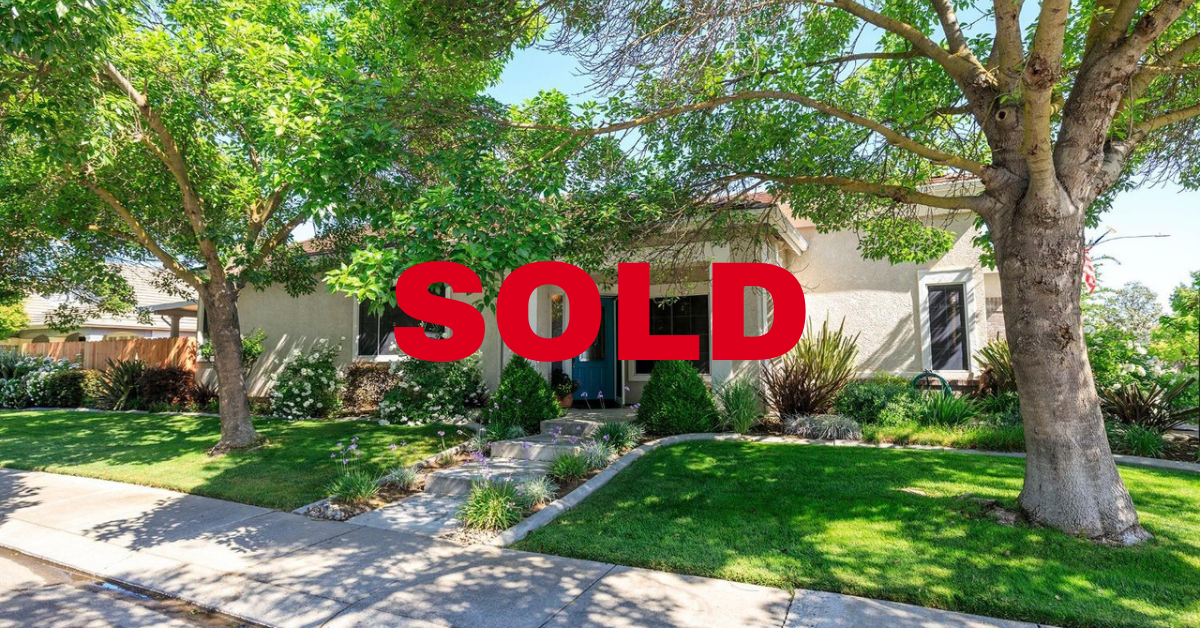
SOLD – 3321 Southgrove, Modesto

SOLD - 3321 Southgrove, Modesto

North East Modesto!! Over 1800sf with 4 Bedrooms, Corner Lot, 2 Car Garage, and Single story. This Family home is Turn-key with Newer Amenities. Newer SS Appliances, Newer Paint, Newer Carpet, Remodeled Mater Bathroom, Remodeled Hall Bathroom, and More. Open Floor Plan with a Large Area Between Kitchen, Dining, and Living Spaces. Big Kitchen with island. Formal Dining Area. Inside Laundry. Lots of Storage and Cabinets throughout. Cozy Backyard with a Very Nice Patio Area. Mature Front Yard Shade Trees. A Must See!

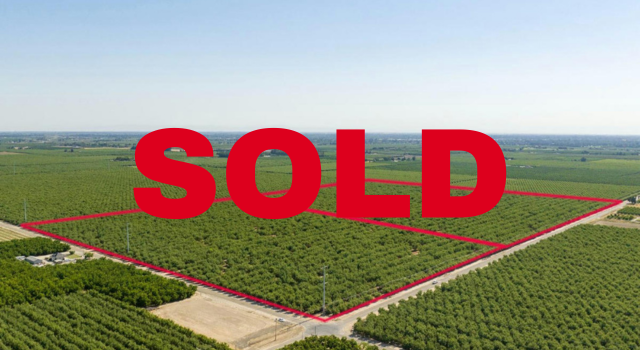
SOLD – 99 California Ave. Modesto, Land, 98.98ac

SOLD

West Modesto has Approx. 98.98 Acres of Ag Land For Sale!! Almonds in the MID District. Butte/Padres Planted in 2008-2009 on Double Line Drip. 40 Hp Booster Pump accessing through it’s own Private (21 inch) Irrigation Line to MID Gate/Canal. These two parcels irrigate in One Set through pumping system. Great Water, Great Soils, and Great location…. These Parcel could be Sold Separately.

What to Expect From the Housing Market in the Second Half of 2023

What to Expect From the Housing Market in the Second Half of 2023

The outlook of the U.S. housing market in the second half of the year comes down to two familiar words: mortgage rates.

In the first half, high rates have kept housing in a state of suspended animation, as borrowing costs priced out prospective buyers, while homeowners with mortgage rates of 3% or less are unwilling to sell and face having to borrow for their next home at something closer to 7%.

KEY TAKEAWAYS

  • Experts expect mortgage rates to even out around 6% by the end of the year.
  • A new trend of domestic migration into Sun Belt cities is expected to continue.
  • New single family home building will make a dent in the need for housing inventory.

Despite high demand and home prices that are now starting to fall, the market is still relatively sluggish at a point in the year where it’s historically at a peak. While new construction is rising to meet some of the demand for single-family homes, it won’t be enough to meet the current market needs.

So what can homebuyers expect for the latter half of 2023? While the Federal Reserve is expected to continue raising rates through the end of the year, industry leaders foresee mortgage rates dropping and homebuying subsequently picking up as home prices fall and affordability improves.

Still, few expect a recovery that would allow the market to catch up with the pace of activity the U.S. saw in 2022.

Rates Will Determine Trajectory of Market

The Federal Reserve has signaled that more rate hikes may be in store before the end of the year. Once the rate hikes slow or stop, affordability concerns will slowly start to ease, according to Realtor Chief Economist Danielle Hale.

“It means affordability will start to improve, but not drastically,” Hale said.

Experts see mortgage rates headed on a more stable path. As inflation is expected to continue cooling, mortgage rates are expected to decline.  Another peak is anticipated for June, but Hale predicts it could be the final uptick before conditions begin to even out.

“We think that June will have been another temporary peak in mortgage rates and we’ll see them gradually ease from the 6.7% range they’ve been in recently, down to near 6% at the end of the year, likely hovering just above 6%,” Hale said in an email.

That evening out around 6% will help homebuyers who have been waiting on the sidelines to re-enter the market, according to National Association of Realtors Chief Economist Lawrence Yun, but it may not be enough to ease the lack of inventory just yet.

“That will help boost both housing demand and supply. For homeowners who are mishoused (i.e., new child in the family, new job in the other part of town, etc.) but have been unwilling to sell due to locked-in low rates, the cost of a move becomes less costly with falling mortgage rates,” Yun said in a statement provided to Investopedia.

Inventory Boost Expected to Help Meet High Demand

As mortgage rates cool, inventory is expected to tick up again throughout the latter half the year. Chronically low inventory of existing homes is dampening market conditions.  Analysts at Fannie Mae anticipate low inventory when it comes to existing homes through the end of the year.

“We continue to expect that existing home sales will decline modestly through the rest of the year amid a broader economic slowdown, ongoing affordability constraints, and limited inventories of homes available for sale,” Fannie Mae’s economic and strategic research group wrote online.1 “The ongoing lack of existing home inventory continues to provide a boost to the new home market, though, as May represented the largest single-month jump in single-family starts in percentage terms since June 2020.”

Compass CEO Robert Reffkin told CNBC he thinks when rates drop back down to around 5.5%, that’s when the inventory logjam should begin to clear.

“The issue we are seeing is that we need to have an unlock of inventory. It’s probably going to happen when mortgage rates get to 5%, 5.5% at a sustainable level. At that point, I would expect there to be a flood of inventory in the market, and it’ll feel like the pandemic craze all over again,” Reffkin said.2

Meanwhile, homebuilding is picking up to help fill inventory gaps across the country. May brought a significant uptick in the sale of new single-family homes, which rose 20% year-over-year and 12.2% from April.3

Home Prices Likely To Decline

Weak home prices are expected over the summer months, when they are typically at their peak, according to Realtor’s Hale.

“Specifically, while June is expected to be the seasonal peak for home prices in 2023, like it is most years, we won’t see as big of a month to month climb as we did in 2022, which will mean ongoing mild declines when we’re comparing home sale prices to one year ago,” Hale said.

The declines are expected to run through the early fall, depending on the Federal Reserve.

“By the time we get to the fourth quarter, mortgage rate and seasonal home price relief could be enough to stanch the declines” Hale added. “On net, we expect average home prices in 2023 to fall 0.6% compared to 2022.”

As supply boosts and mortgage rates and home prices fall, sales are expected to rise through the end of the year, according to NAR’s Yun.

“We’re likely approaching the bottom in home sales with steady improving home sales in the second half of the year and into 2024,” Yun said.

Source: investopedia.com ~ By: MEG CUNNINGHAM ~ Image: Canva Pro

What Is a Home Appraisal and Who Pays for It?

What Is a Home Appraisal and Who Pays for It?

Get to know the basics on what a home appraisal is, when it takes place and how it factors into your ability to buy a home.

For homebuyers financing their purchase with a mortgage, a home appraisal is often a required step of the process in order to get an approved loan and close on the deal.

A home appraisal can be a valuable step outside of a pending real estate deal as well, either for a homeowner looking to determine the right asking price to put it on the market, or when looking to estimate the monetary value of a deceased loved one’s estate.

The best way to use an appraisal to your advantage is to understand what it is and how it’s used by others in the homebuying or selling process. Here’s what you need to know:

    • What is a home appraisal?
    • What does a home appraiser look for?
    • How much does a home appraisal cost?
    • Who pays for a home appraisal?
    • Who pays for a home appraisal if a deal falls through?
    • How to find an appraiser.

A home appraisal is an estimate of the market value of a residential property at a specific point in time, completed by a professional.

Once a home is under contract between the buyer and seller, a lender will typically require an appraisal during the underwriting process to determine whether the agreed-upon sale price of the home reflects the market value of the property.

“The appraisal is really used for the lender to determine the value of the collateral,” says Brian Smith, regional manager, mortgage adviser and executive coach for Union Home Mortgage in Sandusky, Ohio. A lender won’t want to approve a mortgage for $350,000 if the home is only appraised for $300,000, for example.

What Happens if a House Doesn’t Appraise for its Sales Price?

If an appraiser reports the valuation as lower than the agreed-upon sale price, the lender will likely be unwilling to approve a mortgage above the appraised price. If a home does not appraise for its sales price, you have what is known as an appraisal gap. An appraisal gap is the difference between the sticker price and the appraisal – in Smith’s example, that gap between $300,000 and $350,000 would be $50,000.

To fix the appraisal gap, the buyer can come up with the cash to make the difference, or ask the seller to agree to the lower price – if the seller won’t budge on the price and the buyer doesn’t have enough cash, the deal falls apart.

Who Hires the Appraiser?

While there are many situations when an individual can hire a home appraiser for a private appraisal, unrelated to a loan application, lenders often have a list or network of approved local appraisers they will accept valuations from, depending on the location of the property in question.

“What you want when you get a home appraisal is you want a very unbiased opinion,” says Rodman Schley, a licensed appraiser in Denver and former national president of the Appraisal Institute, an international association for professional appraisers. Schley explains that lenders will often have an employee to liaise between the appraiser and loan underwriter to avoid any possible influence on the valuation.

A home appraisal can involve a few factors, including sales comparisons of similar properties in the area, how condition or improvements can add to or detract from value as it compares to those other properties and the potential income for a piece of real estate, if it’s intended to be used as a rental or other type of income-producing property.

An appraiser will take the details of the home, including “the age of the house, size of the entire property, number of bedrooms, number of bathrooms, how big the yard is,” Smith says. “They’re looking for homes that are recently sold that are closest in proximity to that house.”

Schley notes an appraiser is typically looking for three to four deals to compare. The closer in location and more recent the comparable sales are, the better. But when a property is unique for the area or few homes have sold recently, “you might have to expand your location parameters to find a similar home throughout a wider area,” Schley says.

When possible, an appraiser will also visit the property to examine the home’s condition and see any features that would affect the appraised value. “The preference is always to go in and see the improvements,” Schley says.

Appraisal Requirements for Government-Backed Mortgages

If you’re not getting a conventional mortgage and are instead opting for something like a VA or FHA loan, for example, the appraisal has additional steps the government agencies require.

The VA, for example, has minimum property requirements, including working electricity, functional heat and air, an adequate roof and no lead paint or evidence of mold, termites or dry rot, among others. While a VA appraisal may involve more in-depth information about the condition of the property than an appraisal for a conventional loan, “it’s not as granular as a home inspection,” says Chris Birk, vice president of mortgage insight and director of education for lender Veterans United and author of “The Book on VA Loans.”

The average single-family home appraisal costs $353, according to HomeAdvisor. Costs can vary depending on the individual appraisal company, location of the property, size and condition of the home and required details either by you or the lender. Home services information company Fixr calculates a similar national average price range for a home appraisal, $375-$450, though it notes larger houses with lots of updates can drive the total price up as high as $1,200.

Traditionally, the buyer pays for a home appraisal because it is required by a lender. When a private appraisal is ordered by a homeowner or executor of an estate, the individual who orders the appraisal will pay for it.

While an appraisal fee may be included in a list of closing costs, or one-time fees due at closing, it’s likely the appraisal fee will be due ahead of closing. “(The lender) might include the appraisal fee upfront, because that is a cost incurred prior to closing,” Schley says.

If your real estate deal falls through after an appraisal has taken place, consider it a sunk cost. “The appraiser completed a service, he got paid for it – unfortunately the money is spent,” Smith says.

In the case of a VA appraisal where the minimum property requirements reveal issues like an HVAC system that needs repair or a crawl space that needs venting, the VA requires the issue be dealt with in order for the loan to be approved. Often, that means the seller is responsible for covering the repairs, “but the veteran themselves can look at paying for repairs if that’s what it takes to keep the deal going,” Birk says.

When your lender requires an appraisal, the appraiser will be contacted by the lender directly, and in the case of specialty appraisal like that for the VA, the government agency handles initiating the appraisal. But if you’re looking to get a private appraisal done for another reason, you’ll want to find one local to you.

A simple online search for home appraisers in your area may help you find local companies. The Appraisal Institute also has a search feature to help you find licensed appraisers local to you that are a part of the organization. Regardless of where you’re searching, Schley recommends looking for an appraiser with an SRA designation, which means he or she is trained in appraising residential properties.

Source: realestate.usnews.com ~ By: ~ Image: Canva Pro

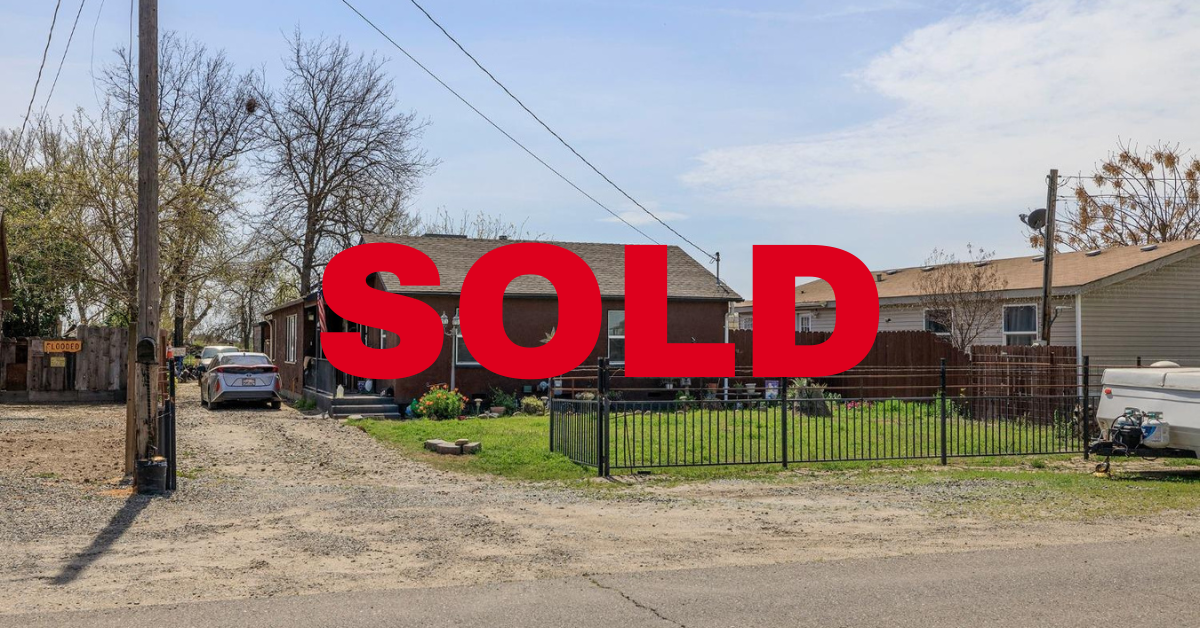
SOLD – 716 W Greenway Ave. Turlock

SOLD GREENWAY
Small Ranchette with Irrigated Pasture. Over 1400sf home with 3 Bedrooms and 2 Full Baths. Good Space Between Living Area and Formal Dining Area. Cute with Hardwood Floors and Lots of Character. Country Living Kitchen that oversees the Nook area. Small Deck Area overlooking the Backyard. Fenced for animals with TID irrigation water. Private backyard to entertain and enjoy.


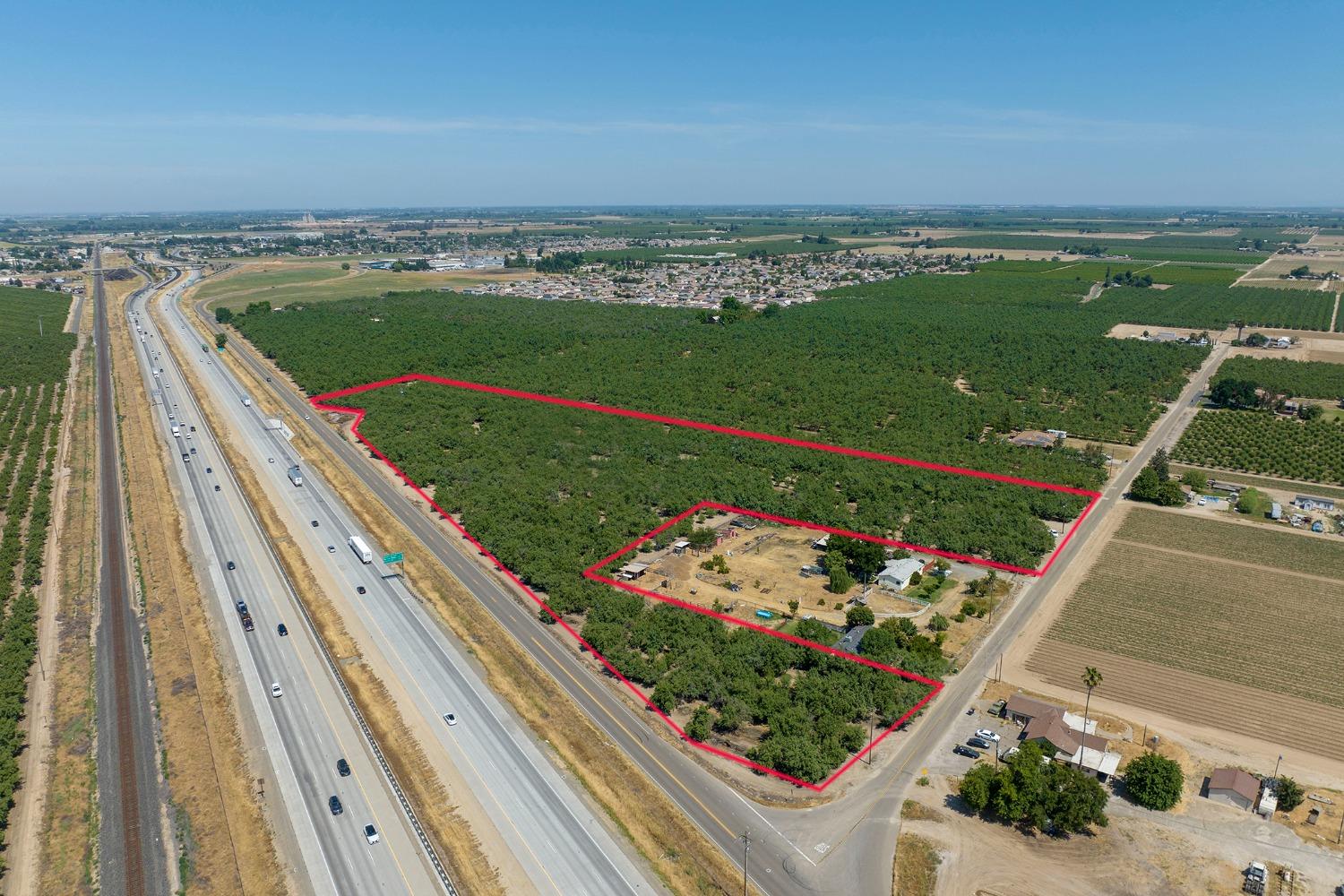
13 Hunter Road Acres, Livingston

13 Hunter Road Acres, Livingston

This slideshow requires JavaScript.

$1,820,000 – Hunter Rd, Livingston, 13ac. Very High Visibility!! Over 1000 feet of 13 Acres Along Highway 99 Frontage Road… Between Two Major Off Ramps of Sultana and Hammatt. Down the street from the New Commercial Developments Gas Stations and Truck Stops. Roughly 12 Acres net Farmable of Almonds with Varieties of Nonpariel (50%), Carmel (25%) , and Sonora (25%). Ag Well of 300ft pumping 350-380gpm. Furthermore, it’s in the MID district with water available. Located on the Corner Of Hunter and Campbell Roads. A Must See!!

Property Features

Land Info

  • Lot Description: Corner, Shape Irregular, Shape Regular
  • Lot Size Acres: 13.0
  • Lot Size Dimensions: Approx. 13 Acres
  • Topography: Agricultural Leveled
  • Vegetation: Orchard
  • Lot Size Square Feet: 566280

Exterior and Lot Features

  • Road Frontage Type: County Road, Highway

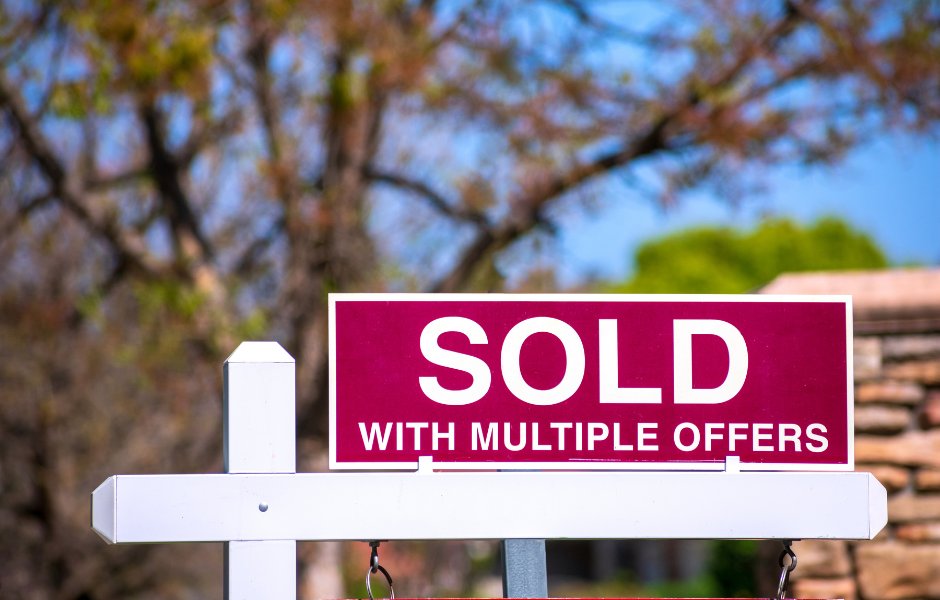
How to Decide Between Multiple Offers on Your Home

Multiple Offers on Your Home

You’ve worked hard to get your home to market, and you’re finally reaping the reward of all that effort. But instead of just a single, great offer, you’ve got several to choose between. This is a common situation in seller’s markets across the country, and one you, too, may be facing. How do you pick the right offer out of a stack of contenders?

  • What Situations Prompt Multiple Offers?

With only 2.1 months of existing housing supply available nationwide, according to the U.S. News Housing Market Index, there simply aren’t enough good homes for buyers to not have to compete with one another. A balanced market, where there is considered to be an equal number of buyers and sellers, has around six months of supply. Such low inventory creates the ideal conditions for sellers to receive multiple offers. Of course, some areas are going to be much more competitive than others, but the circumstances that generate multiple offer situations are pretty consistent across the country.

Still, high mortgage rates are keeping some potential buyers on the sidelines. In May 2023, on average, the number of homes sold was down 16.8% year over year, according to Redfin, with 493,5123 homes sold in May this year, down from the 592,347 homes sold in May last year.

Mortgage rates ticked up slightly as of June 15, with the average 30-year fixed rate increasing to 7.14% from 7.11% the week before. Most fixed and adjustable rates crept higher or stayed about the same as a week ago. Mortgage interest rates are widely expected to fall through 2023 but have remained elevated during the spring homebuying season.

“There are various circumstances that are more likely to generate this situation,” says Adie Kriegstein, real estate agent at Compass Real Estate in New York City. “High demand and low inventory is the number one way this occurs. When there are more buyers than homes available, competition increases. Homes that are priced competitively, in desirable locations and in good condition are more likely to attract multiple offers. Also, a unique or rare home can also cause more interest.”

Should You Consider a Letter From the Potential Buyer?

It’s become a bit of a trend that buyers submit letters to the sellers of homes they believe will have multiple offers to try to sway the seller to their side. Although the idea is sweet on the surface, it’s not a great way to help you eliminate offers because you can easily run afoul of housing discrimination laws when selecting a buyer.

“I strongly discourage these, and if a buyer insists, I explain that they really can’t tell (the seller) anything about themselves that reveals traits that violate fair housing laws, which means there is not much to them at that point,” says Christa Ross, real estate agent at RE/MAX Select Realty in Pittsburgh. “On my listings, I specifically ask that (letters) not be included with an offer. Letters seem like something that the internet recommends to buyers, which is a terrible idea in practice.”

What Do Sellers Do With Multiple Offers?

If you’re facing down a multiple offer situation, don’t panic. Your agent will have the experience to help you through the process. Depending on your state, you may have the options to accept the best offer, make a counteroffer on the offer you believe is the closest to the terms you prefer, or make a counteroffer on multiple offers you’ve received (this is not possible in all states, ask your agent if this is something you’re considering).

If you’re in a state where multiple counteroffers are possible, you may receive multiple offers back again, or even have multiple acceptances. You’ll have to decide at that point which offer is right for you. Once you’ve committed to a buyer, that’s it, you’re ready to start your real estate transaction and sell your home.

Does the Highest Offer Always Win?

Real estate contracts have a lot of moving parts, and much of the time, you’ll face juggling the merits of different offers with varying additional conditions from your potential buyers. These can include anything from financing contingencies to the date when the buyer might want to close the deal.

“Conditions in a housing contract can be all over the map sometimes, but ones that you can usually expect to see are: inspection periods, timeline of the withdrawal to get the earnest deposit, who is paying for a home warranty, who is paying for the appraisal, and close of escrow date,” says Bryson Taggart, Opendoor agent in Phoenix. “While conditions aren’t always the same, they all do have to be figured out and agreed upon to make the contract valid.”

Everyone has heard the saying “cash is king,” but it’s not always true in a real estate transaction. Even though a cash transaction might cut out a lot of potential contingencies, it isn’t automatically better than a contract with some basic, reasonable conditions from the buyer.

“A cash offer may not always be the best, as occasionally a cash offer will come in lower than the homeowners want,” says Maureen McDermut, real estate agent with Sotheby’s International in Montecito, California. “Also, the seller’s schedule may dictate which offers they consider. If they are on a tight timetable, then a cash offer might be the best option, but if they have time, they may end up with a better offer that is financed via conventional mortgage or FHA or VA loans.”

Elements of a Great Offer

Real estate professionals agree that the best offer is the one that’s best for you, but it’s difficult to apply advice if you don’t have much experience selling homes. So, before you even put your house on the market, imagine what an ideal contract might look like for you. For example, do you need extra time to pack and move? A later closing date might be important in that case. Or, if you’re selling a home you’ve inherited and don’t know much about, you might not want to be on the hook for repairs.

“Priority should always be given to the offer that meets the seller’s needs and wants, and also those that aren’t going to fall apart through the process,” says McDermut. “If (you have) a need to move quickly, cash offers will be those that are prioritized. However, there may be stronger offers, so if you are seeking the best offer in terms of the amount offered, then a conventional mortgage offer might be considered above a cash offer that is at or below asking price.”

If you’re not in a hurry to sell, or don’t need someone who will take your property as it sits, meaning you can accept a financed offer, your ultimate decision comes down to how much money a contract will bring to you and whether or not the transaction is likely to close at all. Remember, in a multiple offer situation, you generally choose the contract that’s in front of you, there’s rarely negotiation that happens like with a solitary offer.

“A key factor in determining between multiple offers is net cash: If net cash is similar, which offer brings the least amount of risk to the transaction?” says Taggart.

Should You Consider a Contingency Contract?

The likelihood a contract closes is a huge consideration, and the bigger the contingencies, the greater the risk to the contract. You may find yourself faced with a contract that’s great on the surface, but with a buyer who needs to sell their home before they can buy yours. While this can work out, you’re shouldering an increased risk.

“Accepting a contingent contract comes with risks,” says Kriegstein. “This means that the sale of one’s home becomes dependent on the sale of another property, which may take longer than expected or fall through entirely.”

This can delay the sale and potentially cause the seller to miss out on other potential buyers who are not contingent on the sale of another property. “Keep in mind once you have a signed contract, you have to change the status of your home online so buyers would be unlikely to see your home as an option for them, since it won’t be listed as active,” Kriegstein says.

If your market is active and houses are moving fast, it might be worth it to accept a contract that is contingent on another home selling, but you’ll want to make sure the buyer is sweetening the pot to make your risk worthwhile.

A home sale contingency tends to get rejected pretty quickly unless there is something else about the offer that makes it more attractive,” says Ross.  “The price will matter. If the seller is making more money on the house, they may be more willing to take on the risk with the contingencies.”

Having multiple offers on your home can be a dream come true, if most of them are pretty good. Choosing the right offer means you’ll be able to move on to the next story in your life with fewer headaches and more cash in your pocket.

Source: realestate.usnews.com ~ By  ~ Image: Canva Pro

3718 W Tuolumne Rd. Turlock, Land – 39.39ac

3718 W Tuolumne Rd. Turlock

This slideshow requires JavaScript.

$5,000,000 – West Turlock. From this Property, You can SEE Amazon, Costco, Highway 99, and the Growth of Turlock. Furthermore, it is Located in the City of Turlock’s Urban Reserve Mapping. Currently being Farmed in Almonds. House, Garage, and Outbuildings. TID Power, TID Irrigation District, and Ag well of 25hp. Ag is pumping approx. 400gpm, 2 sets into orchard, and TID Flood water available. Approx. 24 Acres of Almonds, Nonpareil and Aldrich, Planted in 2011, 20×15 Spacing. Approx. 13 acres of Butte and Padre, 22×12 Spacing, Planted in 2001. Perfect Location for a Ag Business, Planned Development, and/or Investment. A Must See!!

Exterior and Lot Features

  • Road Frontage Type: County Road

Land Info

  • Lot Size Acres: 39.39
  • Lot Size Dimensions: Approx. 39.39
  • Topography: Trees
  • Vegetation: Orchard
  • Lot Size Square Feet: 1715828

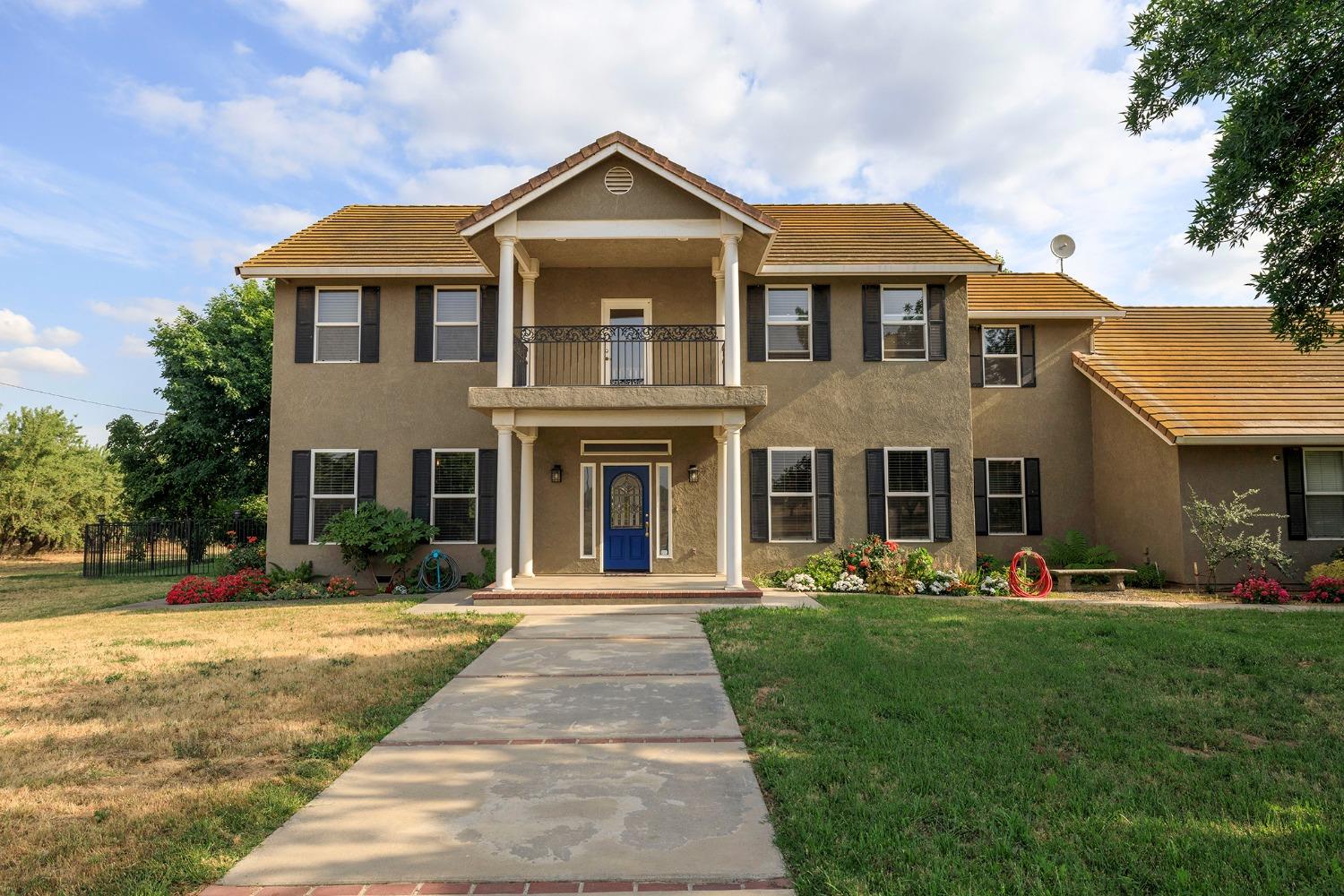
10880 E Monte Vista Ave. Denair, 4bd | 5ba | 3,136sf | 39.62ac

10880 E Monte Vista Ave, Denair

This slideshow requires JavaScript.

Price Change $2,375,000 – Big Custom Home of 3136sf with Almost 40 Acres, On a Hilltop with Views!! One Owner, Custom Built for their Family with Multiple Features, Upgrades, and Design. Magnificent Floor Plan with 4 Bedrooms with 5 full Baths (One Bedroom and Full Bath Downstairs). Tile Roof, Stucco Eaves, Hardwood Floors, Water Softener, Central Vacuum, Stainless Steel Appliances, Setup for Two Refrigerators in Kitchen, and More. Upstairs has a Large Loft/Game Room with Appliances, Balcony, and Suitable for the 5th Bedroom. Master Bedroom has Two Walk-in Closets. Furthermore, there are 2 Junior Suites Upstairs with their own Full Bathrooms, for all of the Family Conveniences. Backyard is like a Park-Like Setting, Fenced, Patios, Pool, Grass, and Ready to Party!! Orchards-Approx, 26 acres of Independence Almond Trees on Drip and Micro-Sprinklers, Planted in 2022 on 22×13 Spacing, Viking Root Stock. Also, Another 12 Acres of Butte (50%), Padre (16.7%), and Livingston (33.3%) Almond Trees planted in 2001, 18×18 Spacing, Nemaguard Root Stock, on Micro-Sprinklers and Drip. A Must See! Irrigation Ag Wells and TID Class 2.

Property features
Bedrooms
Bedrooms: 4
Bedrooms Possible: 5
Primary Bedroom Features: Walk-In Closet, Outside Access
Appliances
Equipment: Built-In Electric Oven, Built-In Electric Range, Dishwasher, Disposal, Free Standing Electric Range
Laundry Facilities: Cabinets, Sink, Inside Room
Other Rooms
Loft, Bonus Room, Family Room, Great Room, Kitchen, Laundry, Living Room
Living Room Features: Cathedral/Vaulted, Great Room
Heating and Cooling
Cooling Features: Ceiling Fan(s), Central, MultiUnits
Heating Features: Central, MultiUnits
Bathrooms
Full Bathrooms: 5
Primary Bathroom Features: Shower Stall(s), Double Sinks, Tub, Walk-In Closet, Walk-In Closet 2+
Bathroom 1 Features: Double Sinks, Tile, Tub w/Shower Over
Interior Features
Interior Amenities: Lower Level : Bedroom(s), Living Room, Dining Room, Family Room, Full Bath(s), Garage, Kitchen, Main Level : Bedroom(s), Living Room, Dining Room, Family Room, Master Bedroom, Full Bath(s), Garage, Kitchen, Upper Level : Bedroom(s), Loft, Master Bedroom
Flooring: Carpet, Laminate, Wood
Kitchen and Dining
Dining Room Description: Breakfast Nook, Dining Bar, Dining/Family Combo, Formal Area
Kitchen Features: Butlers Pantry, Island, Island w/Sink, Kitchen/Family Combo, Tile Counter
Pool and Spa
Pool Features: Pool Type: Built-In, Fenced
Land Info
Lot Description: Auto Sprinkler F&R, Shape Irregular
Lot Size Acres: 39.62
Lot Size Dimensions: Approx. 39.62 acres
Topography: Trees Many
Lot Size Square Feet: 1725847
Garage and Parking
Garage Spaces: 3
Garage Description: Garage Door Opener, Garage Facing Front
Home Features
View: Orchard, Panoramic, Valley, Hills
Security Features: Carbon Mon Detector, Double Strapped Water Heater
Homeowners Association
Association: No
Calculated Total Monthly Association Fees: 0
School Information
School District: Stanislaus
Other Property Info
Source Listing Status: Active
County: Stanislaus
Cross Street: Hall Road
Directions: Highway 99 to Monte Vista-East into Denair. Take Monte Vista (east) passed Hall Road, on the right side 1/4 of Mile.
Source Property Type: Residential
Area: Turlock Rural E of Hwy 99 So of
Source Neighborhood: 20306
Parcel Number: 024-005-013-000
Postal Code Plus 4: 9644
Zoning: RES/AG
Property Subtype: Single Family Residence
Source System Name: C2C
Farm Info
Irrigation Source: Irrigation Connected
Utilities
Electric: 220 Volts
Sewer: Sewer Connected, In & Connected, Septic System
Cable Connected
Propane Tank Leased
Electric
Water Source: Well, Public, Shared Well
Building and Construction
Year Built: 1998
Construction Materials: Stucco, Frame, Wood
Direction Faces: North
Foundation Details: Concrete
Living Area Source: Assessor Auto-Fill
Property Age: 25
Roof: Roof Description:Composition, Tile
Levels or Stories: 2
Structure Type: Custom, Ranchette/Country
House Style: Ranch