2025-2029 Five-Year Housing Market Predictions

2025-2029 Five-Year Housing Market Predictions

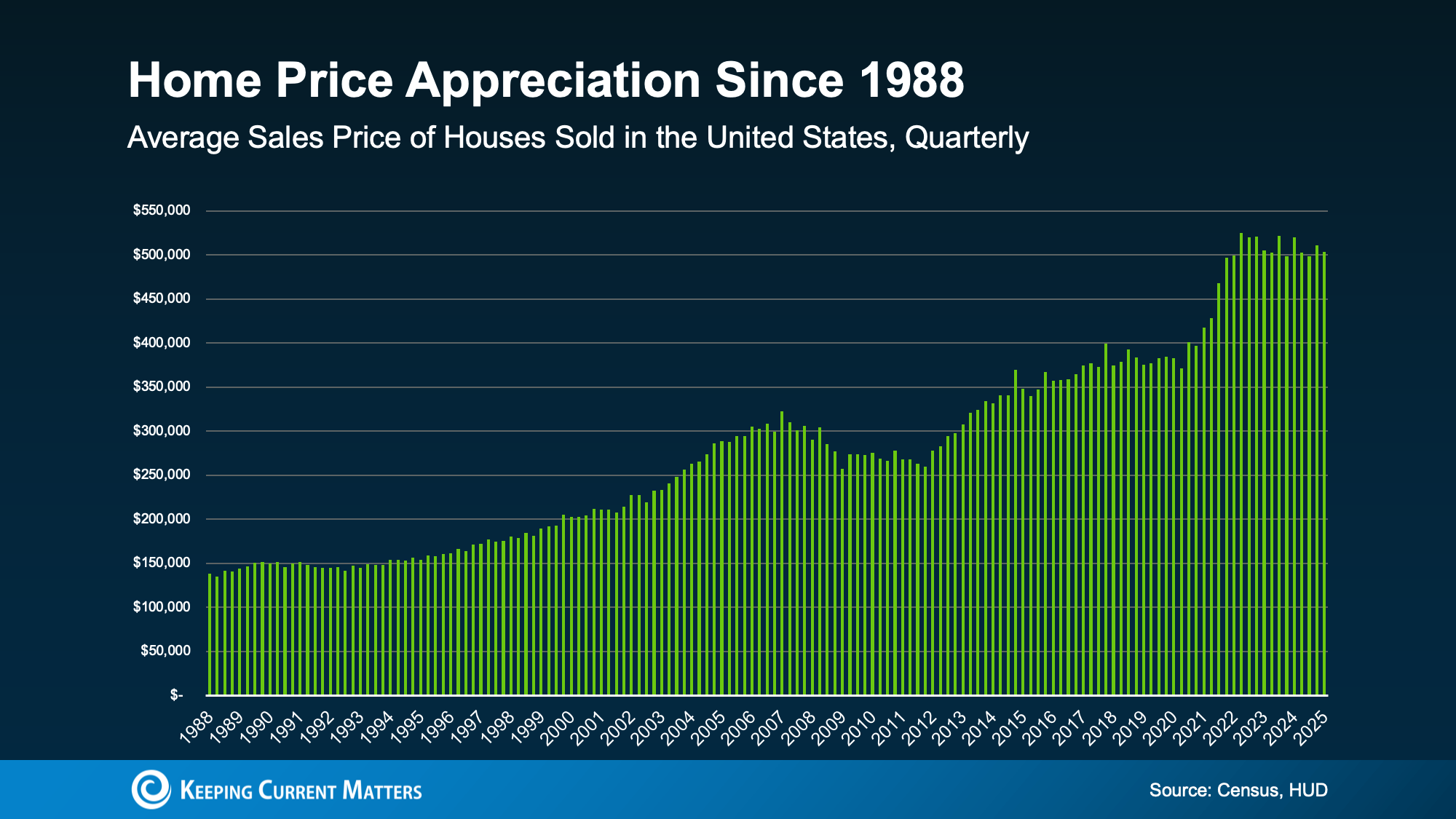
The next five years will likely usher in slower increases in both home prices and rents.

Mortgage rates will determine whether sales are driven by life changes or pent-up demand, shaping the market by 2029.

Key Takeaways

    • Sales of existing homes will grow moderately as buyers become accustomed to higher prices and mortgage rates, but transactions could surge if rates decline.
    • New policies on real estate commissions and the sharing of home listings on public MLS systems will likely vary between regions before revamped national rules are enforced.
    • Newly built homes will continue to fill in the supply gaps created by the lack of existing home inventory, especially by homebuilders who can buy down mortgage rates.
    • Mortgage rates will likely range from about 6% to 7% unless there is a recession, but short-term lending rates will continue falling through 2026.

Over the next five years, with fallout from the COVID-19 pandemic gradually giving way to potential impacts from a second Trump administration, look for changes to immigration, expanding tariffs, the rising costs of damages related to climate change, the expansion of AI into more parts of our daily lives and the steady dissolution of the rules-based international order focused on global trade flows.

Still, for the housing market, none of these factors will weigh as heavily as mortgage rates: If they remain relatively high, transactions will be based more on households making moves due to changes in jobs, finances or household composition. However, if mortgage rates manage to fall faster, then pent-up demand from the last few years could be unleashed with volumes returning more to historic norms. How this plays out will determine just how different the list of the hottest housing markets in 2029 may look versus 2024.

Our data is sourced from several authoritative sources, including the U.S. News Housing Market Index, an interactive platform providing a data-driven overview of the housing market nationwide.

Housing Index Score over Time

U.S. News

Existing Home Sales Will Rise but Still Be Constrained

In comparison with historical norms prior to the pandemic years, home sales are expected to remain low as long as mortgage rates remain well over the 6% level. According to recent projections, the Federal Reserve doesn’t see inflation subsiding to 2.0% on a consistent basis until early 2026. This will mean higher but gradually declining short-term interest rates throughout 2025.

Interest Rates | 6.18% (-1.02% YOY)


U.S. News

Two other wild cards include the potential impact of tariffs and the deportation of millions of undocumented immigrants, both of which could be destabilizing to the economy – especially in agriculture and construction – and lead to a rebound in inflation. Since mortgages are influenced much more by the 10-year Treasury bond than the Fed’s short-term rates, if investors demand higher bond rates in exchange for additional risk, that reduces the Fed’s influence on long-term mortgage rates and rates could stay elevated.

Still, given that consumers have become more used to higher borrowing rates for homes, those with sufficient incomes and down payments may see 2025 as a perfect year to jump back into the housing market, especially as the lock-in effects of sub-6% interest rates continue to wane.

As of the second quarter of 2024, although nearly 86% of homeowners with mortgages had interest rates below 6%, that share is down from nearly 93% two years ago and continues to decline as sellers are forced to list their homes for a variety of reasons such as job changes, the need for more space as well as the three Ds: death, divorce and debt.

Rob Cook, Chicago-based vice president and chief marketing officer for Discover Home Loans, advises existing homeowners looking to sell to first compare their existing and future mortgage payments, and perhaps consider renovation as an option.

“A home equity loan could be an appealing option for financing home improvement projects, as it allows current homeowners to use the available equity they’ve built in their homes without modifying their existing mortgage,” he said in an emailed response. For those who need to move, he suggests other options aside from the traditional fixed-rate mortgage. “If rates remained elevated, there could be increased demand for ARMs (adjustable-rate mortgage) or other variable rate products. Homeowners should be mindful of how these types of mortgages could result in higher rates in the future.”

With the November election in the rearview mirror, potential homebuyers are already preparing well in advance of the traditional spring selling season: Redfin’s Homebuyer Demand Index, which tracks tours and other services requested from its agents adjusted for seasonality, was up 7% year-over-year during the first week of December to approach its highest level since September 2023. In addition, the Fannie Mae Home Purchase Sentiment Index rose again in November to its highest level since February 2022, as well as rebounding sharply from the all-time survey low set just over two years ago.

Median Sales | $429k (+4.1% YOY)


U.S. News

Median Rent Price | $2,050 (+1.8% YOY)


U.S. News

Housing Supply | 3.1 mo (+0.55 YOY)

U.S. News

Rental Vacancy | 6.3% (+0.4% YOY)

U.S. News

Homebuilders Will Reap Supply Shortage Benefits

If the inventory of existing housing supply remains relatively low, buyers will continue to instead look for newly built homes. With newly built homes making up about 30% of overall housing inventory in recent months (or approximately double its historic share) more buyers are considering the advantages of new construction. Housing starts jumped from under 1.3 million in 2019 to over 1.5 million in 2022 before settling back to an annualized rate of about 1.3 million in October.

Buyers of new homes will certainly have ample options from which to choose, with months of supply for new single-family homes rising to 9.5 months in October – more than double the level of existing single-family supply of 4.2 months. About one-quarter of these unsold new homes have completed construction, which could be great news for buyers in search of a deal. That’s because larger builders interested in selling off their inventory also have the financial resources to offer generous incentives, such as mortgage rate buydowns, paying for closing costs and providing allowances at their design centers.

Doug Bauer, CEO of the leading homebuilder Tri Pointe Homes in Irvine, California, is certainly bullish on new home construction. “We’re planning on a strong spring selling season,” he says. “(Mortgage) rates may hover around 7% and we have the levers and tools to meet pretty unmet demand.”

As for the potential impact of deportation of undocumented construction workers, Bauer says that it is unlikely to impact the majority of native-born or documented skilled tradespersons working with the larger public homebuilders. However, the ongoing issue of future shortages in the construction trades continues to be addressed by foundations such as the Home Builders Institute.

Looking further along into the forecast period, Bauer also sees the reduction of energy-efficient building codes recently mandated by HUD and USDA when financing new residential construction as an important step to improving affordability. According to a study cited by the NAHB, building to the 2021 International Energy Conservation Code can add over $30,000 to the price of a new home. Should these mandates be extended to mortgage giants Fannie Mae and Freddie Mac – which together finance 72% of new home purchases – new home affordability would be impacted across the country.

Single-Family Building Permits

U.S. News

Multi Family Building Permits

U.S. News

Real Estate Commission Procedures Will Change

Now that National Association of Realtors (NAR) has rolled out new rules on real estate commissions to most multiple listing services nationwide, the ways in which sellers and buyers compensate agents will change and potentially be reduced, especially for luxury housing, in which the actual dollar amounts for these commissions allow room for more negotiations.

Still, there are still some unsettled questions, including some recent appeals of the national agreement and how the Justice Department under a second Trump term plans to enforce it or push for additional industry reforms. For now, however, some industry leaders have opted to simply make it easier to adhere to the agreement as written.

When Leo Pareja was sworn in as CEO of eXp Realty in early April 2024, just three weeks had passed since NAR had reached an agreement with plaintiffs on broker commissions. By late July, with new practices scheduled to go into effect on Aug. 17, Pareja and his team a new listing form a new listing form which clearly states that there is no commission sharing with a buyer’s agent. Given the chaos continuing to embroil the industry at the time, eXp, as the largest residential real estate brokerage in the United States by agent count and transaction sides with operations in over 20 other countries, also encouraged other brokerages to use or even improve upon the form.

“I equated this more to a ‘Y2K’ moment and we went all in. We had to be very clear, consumer friendly without legalese, and educate agents on possible paths,” Pareja says. “It was bumpier in other parts of the country, with a lot of confusion coming out the other way, and had we not jumped on it, it could have played out quite differently.” The Consumer Federation of America seemed to agree: Although critical of the new form introduced by the California Association of Realtors, it not only singled out eXp’s version but also continues to offer it on their own website. The listing site Zillow has also introduced its own Tour Agreement.

Here’s what potential homebuyers should know: Where in the past they could count on a buyer’s agent to spend the day showing listings without any official relationship, they will now be asked to sign a form to create one for a specific period of time. If, however, the agent only shows properties and no purchase offers are made, then no brokerage fees are due.

The Clear Cooperation Policy for MLS listings Is Under Duress

If there’s one more settlement to be made, Pareja thinks it’s regarding the Clear Cooperation Policy, which was introduced by the NAR in 2020 to require listing brokers to submit new listings quickly to their local MLS to provide the widest array of choices to potential buyers.

However, there is a special office exclusive exception for listing brokers who can register the property but not list it as either “active” or “coming soon” as long it is not marketed publicly – sometimes referred to as a “private” or “pocket” listing shared only with a select group of agents (often with the same brokerage to maximize commissions). Since enforcement of the rules are done at the local level, some brokers opt to never register the listing in the MLS at all. Not surprisingly, several large brokerages and local listing systems would like to see the CCP completely reformed.

Although Pareja doesn’t have a problem with the office exclusive exception, he does argue that when brokers refuse to share listings on the MLS while continuing to pull publicly available listings from the same platform for their own websites and clients, that could be problematic in several ways.

Firstly, it could undermine trust in the world’s most efficient market for real estate listings in the United States and Canada, as it would no longer be comprehensive. In most other countries, buyers need to comb through multiple websites of competing brokers to accomplish what the MLS does with a single click. Secondly, it could encourage the hoarding of listings as the primary business proposition of a brokerage at the expense of providing the best value and service. Thirdly, it could do away with the traditional rules of engagement included as part of buying and selling homes listed on the MLS, potentially leading to unnecessarily messy – or even fraudulent – transactions.

Even though a large brokerage such as eXp could flourish with its own private listings, Pareja thinks disbanding the CCP would ultimately be bad for buyers, sellers and agents.

Total Cost of Ownership Will Become More Important

With rising costs for property taxes, home insurance, maintenance and adapting to a changing climate, the total costs for homeownership are far more than just mortgage principal and interest payments alone.

According to a study in mid-2024 by Bankrate, these annual variable costs for a typical single-family home rose by nearly 26% between March 2020 and March 2024 to over $18,000 per year, or $1,510 per month. Add to this the cost to finance the median-priced single-family home of $2,278 per month, and the total cost of ownership rises to nearly $3,800 per month. As a point of comparison, renting a typical single-family home in March 2024 was $2,236 per month, or 30% less. It is because of this cost differential that so many would-be homebuyers are preferring to rent.

In addition, given that more residents are living in communities with HOAs, they’ll need to budget for monthly fees and special assessments. According to the Foundation for Community Association Research, over 75 million Americans live in one of the 30% of residences governed by an HOA, and that number is expected to grow in the years ahead.

Although the national average monthly fee is $259 and generally covers some of the costs otherwise borne by a homeowner not living in an HOA, living in a poorly run community can mean catastrophically high assessments later. That’s why it’s crucial when buying a home in an HOA to carefully examine all governing documents, meeting minutes as well as the most recent annual budget and reserve study.

Housing Shortage Will Last Through the End of the 2020s

With the estimated pent-up demand for housing ranging up to 4.5 million homes, even if the nation’s builders are willing to produce more supply, it still takes time to find suitable land, skilled labor and materials. While the National Association of Home Builders expects this pent-up demand to be supplied between 2025 and 2030, unless there’s a consistently higher rate of legal immigration above the pandemic years, changing demographics by 2030 will eventually result in lower demand for new housing.

National Housing Market Predictions for 2025-2029

The following is a summary for year-end 2024, 2025 and some predictions for the housing market through 2029. Although a recession is no longer predicted, economic growth is expected to decline from the robust rates of 2.9% in 2023 and 2.8% to 3.0% during the second and third quarters of 2024. However, should the country enter a recession, these predictions would change accordingly.

Home Prices: After remaining nearly flat in 2023 but jumping 4.0% year-over-year through October 2024, home prices are forecast to continue rising moderately as more housing inventory is released but rates remain relatively high. By 2025 through 2029, given the large run-up from 2021 through now, home prices are predicted to rise at a percentage point or so above the rate of inflation, for an estimated increase of about 17% from 2024 levels.

Home Sales: After falling sharply in 2023 and 2024 to the lowest levels in almost 30 years, existing home sales are predicted to slowly increase through 2029. Sales of new homes, which continued to rise in 2024 due to builders’ ability to buy down mortgage rates to boost affordability, will expand on those gains throughout 2029 but continue to be limited by competition for buildable land and skilled labor.

Home Rents: After jumping sharply in 2021 and 2022, home rents continued to rise in 2024 at a more moderate pace, especially in those markets that have seen a huge jump in supply. For 2025, overall rents are predicted to continue rising moderately and the percentage increase may be higher for single-family homes. Given ample new supply of multifamily apartments in recent months, their rents are predicted to flatten out or even fall in the first half of the year before rebounding in the second half.

Source: realestate.usnews.com ~ By: Patrick S. Duffy ~ Image: Canva Pro

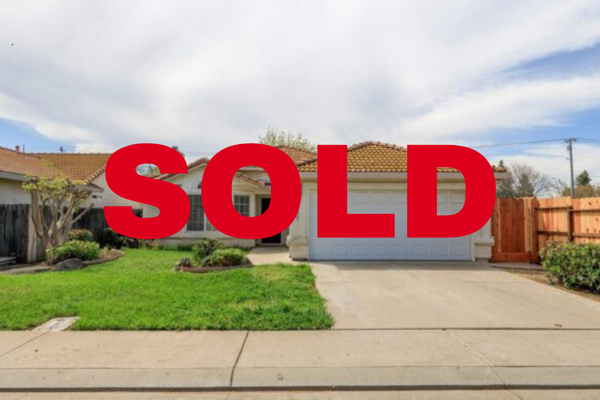
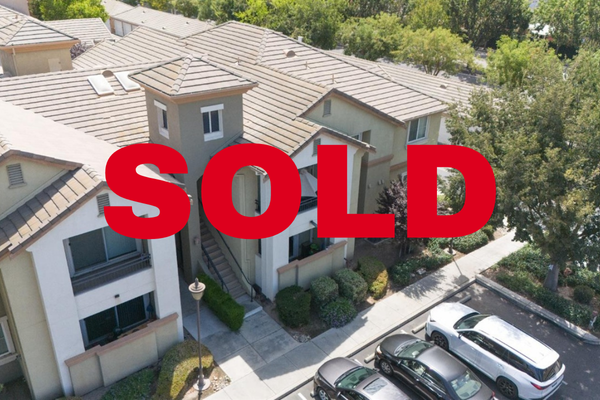
SOLD – 4912 Hultberg Rd. Turlock

SOLD - 4912 Hultberg Rd. Turlock

TID Farm Ground and Trees. Approx. 235.76 Acres of 3-Year-old Independence Almonds and Open Ground! TID Water from Two TID Canals, 2 Ag Wells (25hp and 30hp), and with Automated water from the Large Reservoir. There are two variable speed Booster pumps of 75hp & 40hp to pump the Double line system. There are 7 Homes within the Multiple Parcels. The Almonds were planted in 2021 of Approx. 110 acres, Viking Root Stock on Double line drip that irrigates in One-Set or TID flood water. The Open Ag ground (Approx. 125 acres) is TID flood water with New Flood Gates/Boxes and/or Self-Propelled Irrigation Pivot from Booster irrigation water. The Property is very efficient for irrigation and suitable for obtaining large crops. This Ag Ground is suitable for Tree Plantings with the help of the nearby-Two TID Drain/Tile/Ag Pumps. There’s an Improvement Ag Pump to Add additional irrigation water by pumping for Credit. This Property is on both sides of the road on Hultberg and Fronts along Washington Road. 

Tax Assessed Value vs. Market Value: What’s the Difference?

Tax Assessed Value vs. Market Value

Home prices aren’t set in stone; instead, their value can change depending on a few key factors—that’s what makes buying and selling real estate so fun! (Or frustrating, depending on your perspective.)

As a buyer or seller, you will likely hear two “prices” thrown about: tax-assessed value vs. market value. So what’s the difference?

While assessed value and market value may seem similar, these numbers can be different—typically, the value as assessed is lower—and they’re used in different ways. So let’s clear up any confusion, so you can use these terms to your advantage.

Tax value vs. market value: What is market value?

Casey Fleming, a former real estate appraiser and author of “The Loan Guide: How to Get the Best Possible Mortgage,” says the technical definition of market value is “the most probable price that a given property will bring in an open market transaction.” Or, in plain English, “It’s the price that a buyer is willing to pay for a home, and that a seller is willing to accept.”

Real estate agents are trained to pinpoint a home’s value in the real estate market, which is done by looking at a variety of characteristics, including the following:

    • External characteristics: Curb appeal, exterior condition of the home, lot size, home style, availability of public utilities.
    • Internal characteristics: Size and number of rooms, construction and appliance quality and condition, heating systems, and energy efficiency.
    • Comps, or comparablesWhat similar homes in the same area have sold for recently.
    • Supply and demand: The number of buyers and the number of sellers in your area.
    • Location: How desirable is the neighborhood? Are the schools good? Is the crime rate low?

A home’s market value is often a good starting point for determining all kinds of concerns that home buyers might have.

For one, listing agents use this value to help sellers come up with a fair asking price for their home. And, since buyers shouldn’t just trust what sellers say their place is worth, their own agents can also determine the home’s approximate value and come up with a different price that they think their clients should offer.

No number is right or wrong; the ultimate deciding force is what price a buyer and seller determine they are willing to shake hands on to close the deal.

Tax assessed value vs. market value: What is assessed value?

When trying to understand a property’s assessment value, you must know who is assessing it and why.

Municipalities, mostly counties, employ an assessor to value real estate and levy property taxes on it.

To arrive at a value for tax purposes, the assessor looks at what similar properties are selling for, the value of any recent improvements, any income you may be making from, say, renting out a room in the property, and other factors—like the replacement cost of the property if, God forbid, it burns down in a fire (which sounds dark, but assessors are thorough professionals, who consider every possibility).

In the end, the assessor comes up with an assessment value of a home and deducts any tax exemptions for which you qualify. Then, that number is multiplied by an “assessment rate,” also known as “assessment ratio,” a uniform percentage that each tax jurisdiction sets that is typically 80% to 90%, to arrive at the taxable value of your property.

So if, say, the market value of your home is $200,000 and your local assessment tax rate is 80%, then the taxable value of your home is $160,000. That $160,000 is then used by your local government to calculate your property tax bill.

The higher your home’s assessed value, the more you’ll pay in tax. You can check with your local tax assessor for a more exact tax date for your home, or search by state, county, and ZIP code on publicrecords.netronline.com.

Assessed and market values: What they can mean for you

While a home’s value in the market can rise and fall precipitously, based on local conditions, assessed values are typically not as sensitive to fluctuations.

Some states, like Oregon, prohibit the assessment from being increased by more than 3% a year, “even if the market value goes up more,” says Nathan Miller, founder of Rentec Direct, a software company that educates property managers and landlords.

Don’t be upset as a property owner if your assessment is calculated at a lower amount than you’d figured. It doesn’t mean your property value is actually less.

Assessed value is used mostly for property tax purposes. A lower assessment means a lower tax bill. Home buyers and sellers, on the other hand, look more to marketplace value than at property tax data.

However, assessed value can come up when you buy or sell a home, because this number, unlike the loosey-goosey market value, is public knowledge contained in property records. So, rising assessed values bode well when home sellers try to justify their sales price to a buyer: “Hey, the assessed value is $310,000, and I’m only asking $320,000.”

Likewise, buyers can use assessed value to justify a lower price: “Hey, the assessed value is $260,000, and you’re asking for $300,000. What gives?”

But the thing to remember with values both market and assessed is that at the end of the day, the price of a home is the amount for which a seller is willing to sell, and a buyer is ready to buy. The only number that matters is the price a buyer and a seller agree on.

Source: realtor.com ~ By Lisa Kaplan Gordon ~ Image: Thought Catalog

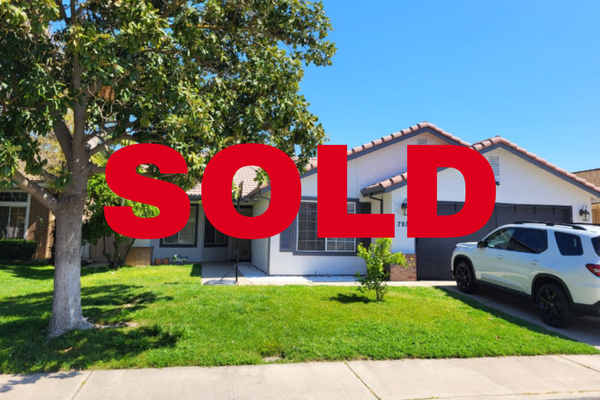
SOLD – 940 E Minnesota Ave. Turlock

SOLD

North Turlock, Custom Home with an 1800sf Shop in Town!! This home is 1957sf with a Remodeled Kitchen, Stucco, Windows, HVAC, and Modern Amenities throughout. Some Original Hardwood Floors, Detail of Plaster Walls, Oversized Rooms through the Home, Lots of Character, and Style. Over 1/3 of an Acre Lot with a Large Gate for RV Access. The Shop is sheet rocked, insulated, climate controlled, with a full bathroom, and Double folding Doors with 14ft height access. RV Garage also has 14ft height doors and ceiling height with complete insulation. The Backyard is a Park-like setting with a Large Patio. Lots of Fruit Trees, Lots of Concrete, and Lots of Grass.

2025 Housing Market Outlook

Let’s Discuss the 2025 Housing Market Thaw

The premise of a housing market thaw in 2025 is a compelling one, given the recent trends and expert predictions.

Here are some key factors that could contribute to a more favorable housing market in 2025…

  • Potential Interest Rate Reductions: As the Federal Reserve attempts to balance inflation and economic growth, there’s a possibility of interest rate reductions. Lower rates could make mortgages more affordable, stimulating demand.
  • Easing Inflationary Pressures: A decline in inflation could lead to a more stable economic environment, which might encourage more buyers to enter the market.
  • Increased Inventory: If more homeowners decide to sell, it could increase housing inventory, providing more options for buyers and potentially moderating price growth.
  • Pent-Up Demand: Many potential buyers have been sidelined due to high interest rates and limited inventory. As market conditions improve, this pent-up demand could fuel activity.

However, it’s important to note that several factors could influence the market’s trajectory:

  • Economic Uncertainty: Global economic conditions, geopolitical events, and job market fluctuations could impact buyer confidence and purchasing power.
  • Regional Variations: Housing market trends can vary significantly across different regions, influenced by local economic factors, job markets, and demographic shifts.
  • Government Policies: Government policies, such as tax incentives or regulations, can have a substantial impact on the housing market.

To make informed decisions about buying or selling a home in 2025, consider consulting with a real estate agent or financial advisor. They can provide personalized advice based on your specific circumstances and the latest market trends.

Would you like to discuss any specific aspects of the housing market, such as potential investment strategies, first-time homebuyer tips, or the impact of emerging technologies on real estate. 

Image: Hootsuite

SOLD – 1506 Valley St. Atwater

SOLD - 1506 Valley St. Atwater

Cute as a BUTTON!! Wow.. It has an Additional Living Space/Work Office in the  2-car garage, it’s finished with LED Lights, AC System, and Laminate Floors. This is a Well-Cared Family Home. Approx. 1315sf home with 3 Bedrooms and 2 Full Baths. Inside Laundry. High-Vaulted Ceilings in the Large Family and Dining Areas. Country-style Kitchen with Newer Appliances. Good Size Backyard with Grass and Garden for hobby and entertainment. Dual Pane Windows for efficiency.

What Is a Real Estate Investment Trust (REIT)?

What Is a Real Estate Investment Trust (REIT)?

So, you’re curious about hopping into the real estate investing game, and you’ve heard that a real estate investment trust (REIT) is a great way to enter that space. Well, that definitely can be true!

REITs are a passive landlord’s dream since they don’t require you to perform constant maintenance on a property or find new tenants every couple of years—unlike traditional real estate investing. But even though REITs are sometimes a great investment, they can just as easily flat-out suck.

To help you avoid falling into a trap, we’ll break down exactly how REITs work and what they are in the first place. That way, you can confidently decide whether investing in a REIT is a good option for you. Let’s hop in!

What Is a REIT?

A real estate investment trust, or REIT (pronounced “reet”), is basically a mutual fund that buys real estate instead of stocks. REITs have a special tax status that requires them to pay at least 90% of their profits back to the shareholders.1 This payment is called a dividend. If they follow this rule, then they aren’t taxed at the corporate level like every other type of business.

All REITs have to meet certain requirements to qualify:

  • Must be a trust, association or corporation
  • Must be managed by at least one official trustee or director
  • Must have at least 100 shareholders
  • Five or fewer shareholders may not own more than 50% of the shares2

There are also rules around how much of a REIT must be invested in actual real estate properties and how much of the gross income from a REIT must be generated by real estate.

Invest Like No One Else

From investing advice to wealth management, find a SmartVestor Pro who speaks your language.

What Types of REITs Are There?

There are a handful of different types of REITs out there, which can make things feel even more complicated. So let’s unpack the differences.

Equity REITs

Equity REITs are the most common. They own and manage properties, and most of them are specialized, meaning they only invest in specific types of real estate.

Some of these types include:

  • Apartment complexes
  • Single-family homes
  • Big-box retail space
  • Hotels and resorts
  • Health care buildings and hospitals
  • Long-term care facilities
  • Self-storage facilities
  • Office buildings
  • Industrial buildings
  • Data centers
  • Mixed-use developments

Equity REITs make money for their investors in three main ways:

  1. Collecting rent from tenants on the property they own
  2. Allowing the values of the shareholders’ investments to grow as property values appreciate
  3. Buying low and selling high

Mortgage REITs

Mortgage REITs borrow cash at short-term interest rates to purchase mortgages that pay higher long-term interest. The profit is in the difference between the two interest rates.

Confused? Don’t sweat it—mortgage REITs are complicated. Hopefully, looking at an example will make things a little clearer. Here’s what a typical mortgage REIT looks like in practice:

  • The REIT raises $1 million from investors.
  • It borrows $5 million on a short-term loan, giving them $6 million in cash.
  • The loan has a 2% interest rate and a $100,000 annual payment.
  • With the $6 million, the REIT buys up existing mortgages that pay 4% interest.
  • Those 4% mortgages combine to earn the REIT $200,000 a year.
  • So the REIT’s annual profit is $100,000.

To make as much money as possible, mortgage REITs tend to use a lot of debt—like $5 of debt for every $1 in cash, and sometimes even more. Plus, the interest rate on those short-term loans could increase, leading to smaller profits than expected—or even a loss.

All of that makes mortgage REITs extremely volatile. And investing in debt is always a bad idea because it introduces way too much risk into the equation.

If you do invest in REITs, stay far away from this variety.

Non-Traded REITs

Now, some REITs aren’t publicly traded on national stock exchanges. Non-traded REITs might still be registered with the Securities and Exchange Commission (SEC), but you won’t find them available for trade on the stock market.

A big risk here is that it can be very hard to know the value of a non-traded REIT until years after you’ve invested. So if it’s a dud that’s losing your money, you won’t know for a long time. Another knock on these REITs is that they usually come with higher up-front fees—sometimes totaling around 10% of your investment—that can significantly lower the value of your investment.3 Yikes!  

Private REITs

A private REIT is neither registered with the SEC nor available for trade on stock exchanges. If you invest in one, be prepared to forget you had that money. They’re usually illiquid—a fancy term that means an investment can’t be easily turned back into cash. To get the best returns, you probably won’t have access to the money for a long time, which makes it very difficult to get out of a private REIT once you’re in one. It’s not as easy as selling a mutual fund.

For a private REIT to work for you, you’d need to be in a group that isn’t milking the REIT for their profit and driving up management fees—leaving nothing on the table for investors. To sum it all up, this is risky stuff. Beware.

Hybrid REITs

A hybrid REIT is basically a combination between an equity REIT and a mortgage REIT—meaning the fund has company-owned properties and mortgage loans as well.

This may sound like a smart and balanced way to invest in REITs. But in many cases, hybrid REITs lean more heavily toward one type of investment over the other. This means you need to be very careful when looking at hybrid REITs—especially if they look more like those mortgage REITs we talked about earlier that borrow a lot of money to try to generate profits for investors. That’s a dangerous game—one you should try to avoid.

Pros and Cons of Investing in REITs

Just like with most investments, investing in REITs has both risks and benefits. Let’s walk through the biggest ones:

Pros

  • They can help you diversify your investments. REITs give you the chance to add real estate to your investment portfolio without the headaches that come with owning rental properties.
  • Some offer higher dividends than other investments. Dividends are payments made to investors to reward their investment and share the profits with them. Since REITs are required to pay out most of their taxable incomes to shareholders, that means you could receive more in dividend income from REITs than other types of investments.
  • They pay no corporate tax. Since REITs don’t pay corporate income taxes, investors don’t have to worry about “double taxation.” But you’ll still pay ordinary income taxes on the dividends you get and on capital gains when you sell your REITs at a profit. (It’s a good idea to talk to a tax pro before you invest in REITs.)
  • They are professionally managed. Like actively managed mutual funds, REITs are usually managed by a team of professionals who know the real estate industry inside and out and can make sure that the properties inside of the fund are being maintained and managed for high returns.

Cons

  • Interest rates can be volatile. Since real estate values tend to go up and down depending on what the interest rates are, the same rule applies to REITs. Rising interest rates can jack up the cost to take out a mortgage loan and put a damper on demand for real estate—and that could negatively affect the value of a REIT in the process.
  • Some REITs use debt to invest in real estate. If you remember nothing else, remember this: Debt equals riskAnd mortgage REITs almost exclusively use debt to build their funds, which means they’re very risky. That’s a no-no.
  • Some REITs are hard to sell quickly. Since non-traded REITs can’t be sold on the open market, they’re considered “illiquid investments”—which is just a fancy way of saying they can be hard to get rid of if you want to sell.
  • They don’t give you any control. When you invest in a REIT, you’re giving control over to the REIT’s management team. They’ll be the ones deciding which properties to invest in and how to manage those properties—you’re just along for the ride.

How to Invest in a REIT

There’s no secret formula here—anyone can invest in a REIT by simply purchasing shares through a broker, a REIT exchange-traded fund (ETF), or a REIT mutual fund. Basically, it’s the same process you would go through if you were buying mutual funds or single stocks.

But that’s only if the REIT is publicly traded. For a non-traded or private REIT, you’d have to purchase shares through a broker that’s associated with a non-traded REIT.

Bottom Line: Is a REIT a Good Investment?

It depends. REITs have come a long way over the past decade, and now they’re a legitimate way to invest in real estate if you have no interest in being a landlord. But they’re not for everyone, and there might be better ways for you to invest in real estate.

First off, you should only consider investing in REITs once you’ve paid off your own home and you’ve maxed out your tax-advantaged retirement accounts—like your 401(k) and Roth IRA. Until then, stick with the four types of growth stock mutual funds we recommend for retirement investing, which offer the most balanced growth over time.

Second, REITs range from awesome to really bad, so you have to do your homework before you invest in one.

If you are going to invest in a REIT, an equity REIT is probably the way to go. Since they own and manage the properties inside the fund, they aren’t as risky as mortgage REITs. They’re also registered with the SEC (unlike private REITs), and they offer more transparency than non-traded REITs. Plus, you might find a handful that perform as well as good growth stock mutual funds.

Ultimately, you want to choose a fund with a long track record of strong returns that’s run by a competent group of investors. And no matter what, your REIT investments should be no greater than 10% of your net worth.

Source: ramseysolutions.com ~ By  ~ Image: Canva Pro


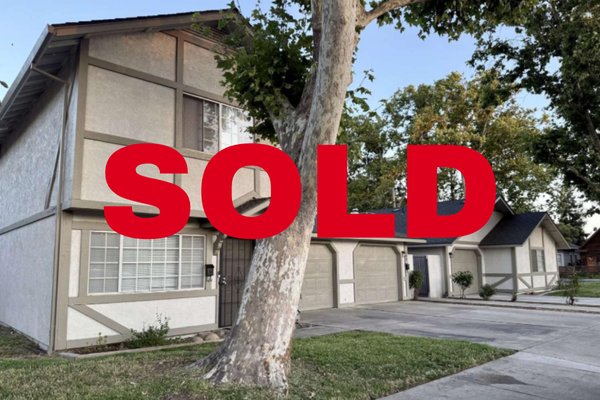
SOLD – 313 Sunbird Dr. Turlock

SOLD 313 Sunbird Dr. Turlock

Great Starter Home in North Turlock! Approx. 1484sf Home in Pristine Condition. Remodeled Kitchen with Copper Sink, Appliances, and Backsplash. Also, New Interior Paint, Newer Exterior Paint, Newer HVAC System, Newer Water Heater, and more. Separate Living and Family Areas, Inside laundry, and Vaulted Ceilings throughout. Near Schools, Churches, and Easy Highway Access. 

Should You Include Real Estate in Your Retirement Plan?

Real Estate in Your Retirement

Consider the advantages and disadvantages of using real estate to fund your retirement years.

Instead of buying, renting, or selling property yourself, consider adding real estate to your retirement plan through a fund.

Key Takeaways

  • Real estate investments can be a key part of your retirement plan, offering diversification, steady income and a hedge against inflation.
  • Selling your home to downsize can free up funds for retirement, but consider tax implications and alternative income sources.
  • Owning rental properties provides income but requires a large upfront investment and ongoing management.
  • Real estate investment trusts offer a more passive way to invest in real estate with greater liquidity.

When planning for retirement, real estate investments can help you build wealth and add additional income to your bottom line. Not only can real estate diversify your portfolio, can also act as a hedge against inflation.

There are plenty of ways to include real estate in your retirement plan, each with pros and cons. Some of the most common methods include:

  • Selling your home
  • Owning a rental property
  • Purchasing and selling property
  • Contributing to a real estate fund

Sell Your Home to Help Fund Retirement

If you have paid the mortgage for your current home or have built equity, you could sell it in retirement. The proceeds from the sale can be used to support you in retirement or you may choose to invest those funds to generate future returns.

“Evaluate the tax implications and the after-tax proceeds you’ll receive if you sell your real estate. Then compare that to the after-tax cash flow you can expect from other investment types,” says Dana Anspach, a certified financial planner at Sensible Money in Scottsdale, Arizona.

You can also reduce your living expenses in retirement by downsizing to purchase a smaller home that costs less and requires less maintenance, or renting an apartment.

Even if you sell your home, you’ll likely need other sources of income to support you in retirement. These funds could come from other accounts like a traditional or Roth IRA401(k), an annuity or a pension.

Own Rental Property

Another way to invest in real estate is by owning a rental property.

Consider the yield on this type of investment as it relates to your involvement in property management.

“Compare that to the results you may expect if you outsource responsibilities to a property manager. However, delegating to a property manager will not alleviate the cash flow impact from periodic repairs or loss of income if the property doesn’t have a tenant,” Anspach says.

Owning a rental property typically requires a large up-front investment. You may be in a position to pay in full with cash or use your savings to make a down payment and take out a mortgage. From here, you want to consider carefully whether the property’s rental income will be enough to cover its related expenses.

A drawback of owning and renting property is that the investment is typically not very liquid. If you have a financial emergency, selling the place quickly and receiving cash when needed might be difficult.

Even if you sell, you might not get the best price if market prices are lower than average in that area. You’d also have to consider any capital gains taxes that


Buy and Sell Multiple Properties

If you live in an area where housing prices are expected to rise, you might be interested in purchasing multiple homes with the plan of selling them later for a higher price.

You could also acquire several properties with the intention to rent to tenants. As your income increases, you could build a real estate portfolio to help fund your retirement.

While owning properties may help increase retirement funds, there is often a great deal of work involved in finding places, acquiring them, making needed repairs or renovations and then renting or selling them.

The time requirement for real estate is typically much more demanding than other types of investments. Those who cannot commit much time might consider a more passive approach to investing.

When planning for retirement, real estate investments can help you build wealth and add additional income to your bottom line. Not only can real estate diversify your portfolio, can also act as a hedge against inflation.

There are plenty of ways to include real estate in your retirement plan, each with pros and cons. Some of the most common methods include:

  • Selling your home
  • Owning a rental property
  • Purchasing and selling property
  • Contributing to a real estate fund

Sell Your Home to Help Fund Retirement

If you have paid the mortgage for your current home or have built equity, you could sell it in retirement. The proceeds from the sale can be used to support you in retirement or you may choose to invest those funds to generate future returns.

“Evaluate the tax implications and the after-tax proceeds you’ll receive if you sell your real estate. Then compare that to the after-tax cash flow you can expect from other investment types,” says Dana Anspach, a certified financial planner at Sensible Money in Scottsdale, Arizona.

You can also reduce your living expenses in retirement by downsizing to purchase a smaller home that costs less and requires less maintenance, or renting an apartment.

Even if you sell your home, you’ll likely need other sources of income to support you in retirement. These funds could come from other accounts like a traditional or Roth IRA401(k), an annuity or a pension.

Source: money.usnews.com ~ By  and ~ Image: Canva Pro