If you’reĀ buyingĀ orĀ sellingĀ a home right now, one question is likely on your mind: Who holds the power in todayās market?
After years ofĀ sellers calling the shots, the balance is edging back toward buyers.
Inventory has risen 10% year over year for the 27th straight month; though, on a monthly basis, active inventory fell 6.8% since December, according to the Realtor.com® January Monthly Housing Trends Report.
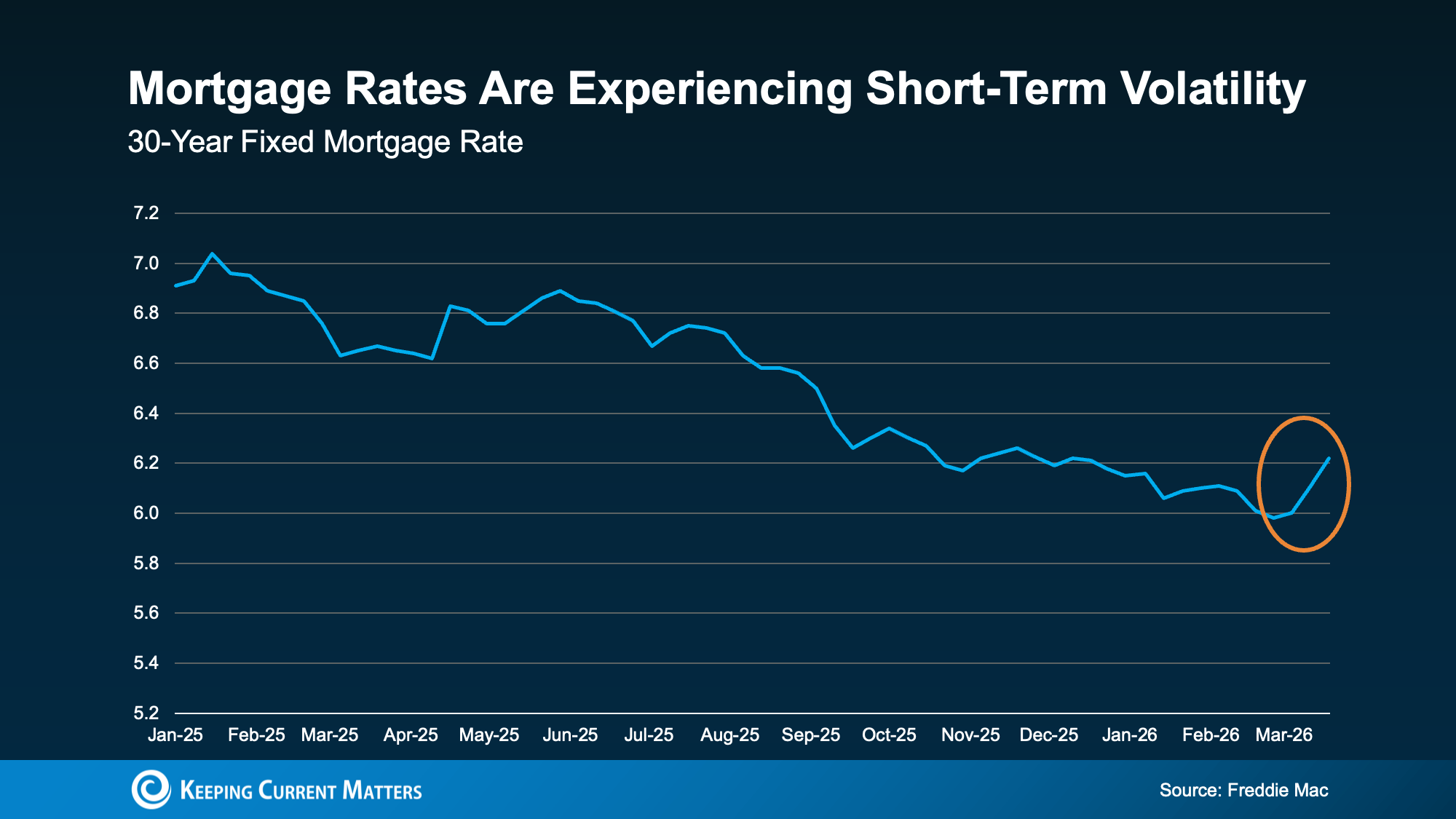
Buyer activity certainly increased in January, as pending home salesālistings under contractāgrew by 1.2% year over year, but that number could continue to increase in February and March as mortgage rates finally hit a three-year low and actually fell below 6% on Feb. 26.
The signs are pointing to a moreĀ buyer-friendly marketĀ more than ever, which aligns with theĀ Realtor.comĀ forecast for 2026. Here’s how to read the signs and navigate this point of flux, whether you’re buying, selling, or just watching and waiting.
What does a buyer’s market mean?
In the simplest terms, a buyerās market happens when the number of homes for sale exceeds the number of active buyers. This shift in supply and demand gives buyers more leverage as sellers compete to outshine one another.
That means more choices, more room toĀ negotiate, and often, more time to decide for buyers.
This is a notable contrast from the seller-dominated market thatās defined much of the past decade. Since the aftermath of the 2008 financial crisis,Ā new-home constructionĀ lagged far behind demand, and buyers competed fiercely over limited inventory.
But in todayās slowly shifting market, the balance of power is beginning to tilt, even if it hasnāt full
Indicators of a buyerās market
How do you know when the housing market is tipping toward buyers? There are several key signals:
High inventory
“The best single indicator for this is months supply,” explainsĀ Danielle Hale, chief economist of Realtor.com. “Typically, months’ supply above six months is the hallmark of a buyer’s market.”
To her point, newly listed homes edged up 0.7% year over year and surged seasonally from December, while pending sales rose 1.2% year over yearātheir strongest annual gain since late 2024
Active listings are still 17.2% below pre-pandemic norms, though, the widest gap since spring 2025
“Homebuyers and sellers can also look for other clues that go hand in hand with a buyer-friendly shift,” says Hale.
Location offers a significant indication: Inventory grew year over year in 46 of the 50 largest metro markets. OnlyĀ Jacksonville, FL,Ā San Francisco,Ā Chicago, andĀ Grand Rapids, MI,Ā saw a very slight decline in active listings.Ā SeattleĀ experienced the most notable surge (+32.4%), followed byĀ Charlotte, NCĀ (+28.6%), and Washington, DC (+26.8%).
All of this means buyers are finally seeing more options, but not everywhereāand not evenly.
Slower sales
Homes are taking longer to sell across nearly every region. In January, the typical listing spent 78 days on the marketāfive days longer than a year ago. It was the 22nd consecutive month of slower sales.
“In a buyer’s market, sellers can typically expect it to take longer to sell a home, and they may have to reduce their home priceāeither directly in the listing or by accepting a below-asking-price offerāto ultimately make a sale,” explains Hale.
This is advantageous for buyers, explains Hale.
“Buyers can expect that they will not only have more options to choose from, but also have more time to consider their choices,” she says.
But it comes with a major caveat, saysĀ Realtor.com senior economistĀ Jake Krimmel.
“Delistings are growing faster than inventory overall, and in some markets, for every two or three fresh listings, one home is being pulled.
“It’s a way for sellers to reassert control in a market where their leverage is fading,” he adds.
Price drops
With listings lingering, price cuts have become a defining feature of the market. Price cuts slightly decreased year over year, with 14.3% of listings discounted, down from 15.6% in January 2025.
Discounts are most common for homes in the $350,000 to $500,000 range, where affordability pressures are sharpest and sellers are more motivated. At the luxury endā$1 million and upāprice reductions remain relatively rare as high-end sellers hold out for the right offer.
Concessions
More motivated sellers can also show up in concessions.Ā Mortgage brokerĀ Carlos ScarperoĀ has seen a growing number of sellers offer financial perks to seal the deal.
āEven within cities and price points, trends can vary,ā he explains. āIāve closed several deals in 2025 with $10,000 or more in seller concessions. This is certainly higher than I have seen in years past.ā
While these indicators vary by region and price tier, the pattern is becoming clear: Sellers are no longer in complete control, and buyers are starting to regain ground.
Is it a buyerās market right now?
It depends on where you are.
When measured by months of supply,Ā Miami,Ā Austin, TX, andĀ Orlando, FL, rank as theĀ strongest buyer’s marketsĀ right now.Ā Tampa, FL,Ā New York City, Las Vegas, and Riverside, CA, follow, respectively.
While buyers may have more leverage in these cities, real estate experts warn that it won’t be felt evenly across all segments of the market. Miami is a strong example.
While demand for condos priced below $500,000 has plummeted, single-family homes remain near impossible to find. On the off chance one hits the market, you’re likely to get burned treating it like a condo.
In other words, “know your segment,”Ā Ana Bozovic, aĀ Miami-based real estate agent and founder ofĀ Analytics Miami, told Realtor.com earlier this month.
The same can be said of the national housing market, which is in perfect balance right now. That means more buyer-friendly conditions than there have been in years.
āWeāre continuing to see the market shift in favor of buyers,ā saysĀ Matt RyanĀ ofĀ Bozeman Real Estate Group. āInĀ Bozeman, MT, inventory has finally returned to pre-COVID levels, giving buyers more choices and negotiating power. I expect this trend to continue.ā
That buyer-friendliness is showing up at the local level, too.
āItās definitely been tipping in the direction of buyers lately,ā saysĀ Brooke Nelson, aĀ ReeceNicholsĀ agent inĀ Kansas City, MO. āShowings have really slowed down.ā
And in some markets, the shift is already playing out in negotiations.
āEvery buyer Iām working with that makes an offer is getting a contract accepted,ā notesĀ Mason Whitehead, a branch manager atĀ Churchill Mortgage.
Local and regional variations matter most
While national headlines might suggest a buyerās market is taking hold, the reality on the ground depends heavily on where and what youāre trying to buy. Local trends can diverge sharply from national averages, especially when you factor in price range, property type, and post-pandemic market dynamics.
In some high-demand pockets, homes are still moving quickly, especially if theyāre priced right and well-prepared.
āBuyers have the most negotiating power in the condo market,ā explainsĀ Aaron Buchbinder, a broker withĀ CompassĀ inĀ South Florida. āOn the flip side, single-family homes in prime locations are still seeing strong interest and less flexibility.ā
That kind of split isnāt unique toĀ Florida. In many metro areas, buyers might find leverage in one segment while still facing competition in others.
While national stats offer a useful snapshot, the real leverage is local. Buyers and sellers alike should compare todayās conditions with their marketās own history, not just the national narrative. What seems like a cooling market in one city might still be red-hot in another.
What to do if youāre a buyer
With market conditions starting to tilt in buyersā favor, now might be the time to act, but strategy still matters. After all, competition hasnāt disappeared entirely. Hereās how to make the most of your position:
Get pre-approved
Even in a cooling market, speed can make or break your offer, especially in competitive neighborhoods or price tiers. AĀ pre-approval letterĀ shows sellers youāre serious and ready to move.
Watch the days on the market
Homes that have lingered on the market are increasingly ripe for negotiation.
āBuyers should not be concerned with higher days on market,ā saysĀ Melissa Bailey, a top agent with theĀ Jason Mitchell Group. āGo see the home that has been listed for 62 days. It could be your home!ā
Use contingencies and timing strategically
In a more flexible market, buyers can regain tools they were often forced to waive, like inspection or appraisalĀ contingencies.
āRight now, the biggest advantage is the ability to buy and sell at the same timeāsellers are more open to contingent offers and willing to negotiate,ā explains Ryan.
Being flexible with closing dates or offering quicker timelines can also help you stand out without raising your offer price.
Stay up to date
Understanding local inventory trends, median days on the market, and pricing patterns can help you recognize when a listing is overreaching and when itās genuinely a deal.
In todayās market, knowledge is leverage, and a well-informed buyer can often win without overpaying.
What to do if youāre a seller
While the market might be softening, itās still a solid time to sell if you adjust your approach to todayās more selective buyers. Here’s how to stay competitive and avoid sitting on a stale listing.
Price realistically
Gone are the days of aggressive overpricing and instant bidding wars. Todayās buyers are more cautious and cost-conscious.
āSellers who were unrealistic in Q1 are adjusting to todayās buyer expectations,ā saysĀ Darin Tansey, director of luxury sales atĀ Douglas Elliman.
Listing highĀ in hopes of negotiation room could backfire, especially with inventory rising. A well-priced home will attract more attention and better offers upfront.
Prepare your home well
Buyers are still drawn to clean, move-in-ready homes, and theĀ basics still matter. Invest in staging, photography, and curb appeal. A strong first impression can make the difference between a quick offer and weeks of radio silence.
Know your market
In some areas, homes are still moving fast. In others, theyāre lingering. The more your agent understands local demand, the more they can guide pricing, marketing, and timing strategies.
Donāt panic
Yes, buyers are gaining leverage, but that doesnāt mean youāre at a disadvantage.
Adjusting to this new reality doesnāt mean giving up value; it means staying nimble. Well-prepared, fairly priced homes are still selling, and in many areas, sellers remain in the driverās seat, just with a lighter grip on the wheel.
A shift, not a flip
While it might seem like the market is suddenly favoring buyers, the reality is more nuanced.
“We’ve been in a seller’s market pretty consistently since 2016, when months’ supply averaged 4.4 months across the year. Since then, it’s averaged four or lower, signaling a tough market for buyers. Given the persistence of underbuilding relative to housing demand over the last decade, it’s not surprising that we have been through a really persistent seller’s market,” says Hale.
After years of seller dominance, conditions are gradually becoming more favorable to buyers. Inventory is up, price cuts are more common, and homes are taking longer to sell. But in many markets, especially in desirable neighborhoods or lower price tiers, sellers still hold meaningful leverage.
“While some are calling this housing market a buyer’s market, I would say that it’s more of a market in transition,” says Hale.
That means that while sellers won’t need to sacrifice all their power, they will need to adjust expectations.
āIt is not realistic to expect multiple offers pushing home prices over market value,ā saysĀ Missy Derr, a real estate adviser withĀ Engel & VƶlkersĀ inĀ Atlanta. āBuyers finally have more than a fair shake at securing a home.ā
Whether youāre buying or selling, this isnāt the time to rely on headlines alone. The national market might be cooling, but the story varies neighborhood to neighborhood. Thatās why itās more important than ever to watch local trends, compare current conditions to pre-pandemic norms, and work with an agent who understands the intricacies of your area.
Source: realtor.comĀ ~ ByĀ Allaire Conte ~Image: realtor.com