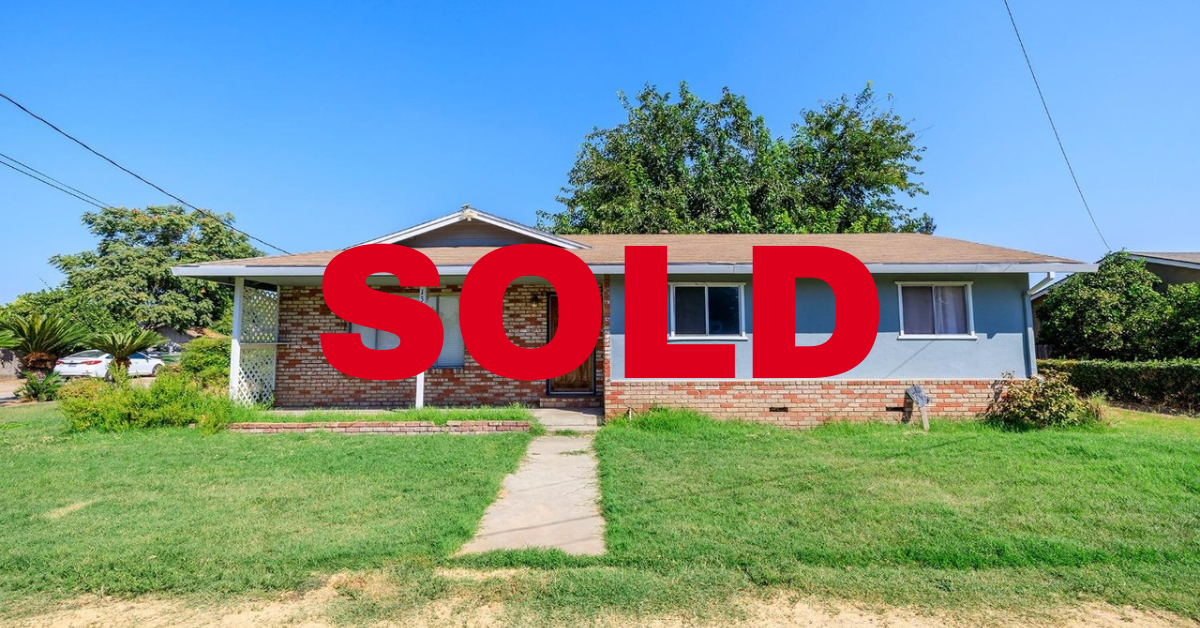
Investment Opportunity!! Own a House on a 26, 200sf Lot (0.60 of an Acre).. Country-Ranchette Property with Approx. 1361sf Home with 3 Bedroom and 2 Full Baths. You Could Own 3 Lots… There’s a possibility of splitting and adding two 5000sf Residential lots (Zoned RL) in the back that would Front Pecan. See maps and check with the City of Turlock. There’s plenty of room to raise your family and animals, and live within the city limits. A Must See!
SOLD – 1023 Hartwick Ave. Turlock
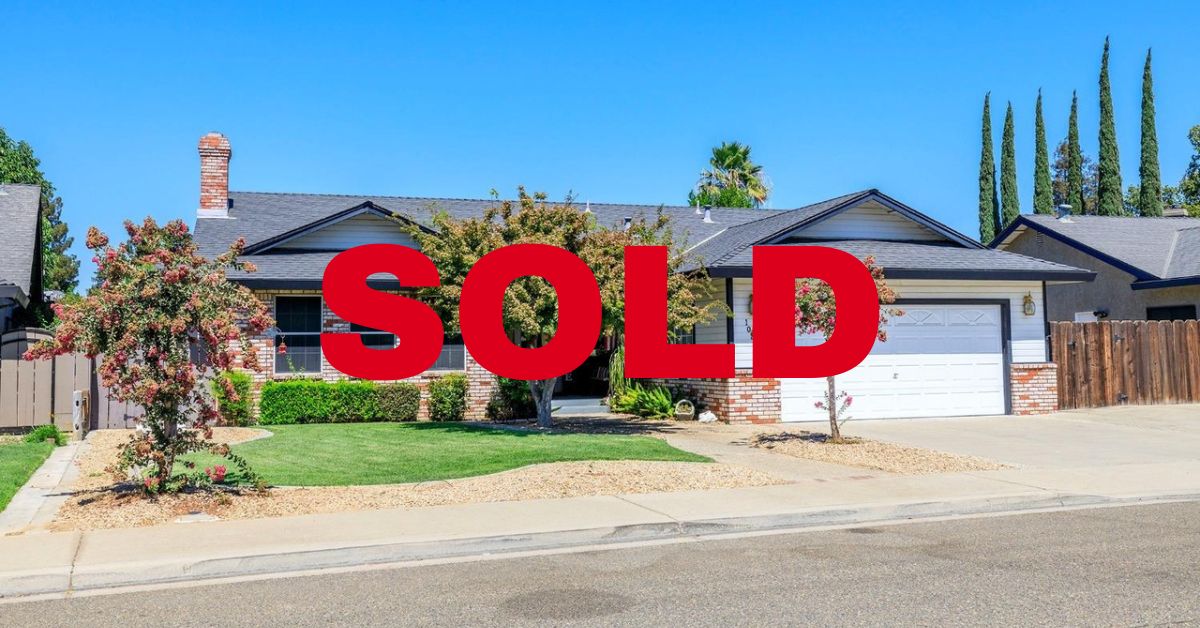
Alpine Estates. Great Home in North Turlock. Great Curb Appeal…Over 1800sf with a Large Great Room with Brick Fireplace, Open Kitchen, and Easy to Entertain. Newer Appliances, Wood-laminate flooring throughout, and Newer Roof. Attached Sun Room which is set for a Media or Game Room. Master Suite is Huge with Walk-in Closet, Shower Stall, and Double Sinks. Great Open Plan, Large Rooms Throughout, and a Good Flow with 3 Bedrooms, 2 Full Baths, & Inside Laundry. Tool Shed in the Backyard with a Cute Landscaping surrounding the Fence Line.
Do These 11 Things Before Putting Your Home on the Market
Not sure how to get your house ready to sell? Fortunately, you can take steps before putting your home on the market to increase your chances of receiving a solid offer from a buyer. From cleaning and staging to repainting and depersonalizing, here are 11 things you can do to get a house ready to sell.
-
Research your local housing market
First and foremost, do your homework on the value of your home. Start by researching the local housing market through Realtor.com. Take a look at comparable sales in your neighborhood to figure out your appropriate listing price. Pay attention to the various comps’ square footage, features and location, and think about how they compare to your home. For example, your neighbor’s home may have sold for $1 million, but if your home is considerably smaller, you’ll most likely need to list your house for less. Of course, a reputable realtor should be able to assist with finding comps and determining a listing price for your home.
-
Find a listing agent
Speaking of realtors, we highly recommend enlisting a professional real estate agent to list your home. You should be able to find a realtor through Realtor.com and word-of-mouth recommendations. When interviewing a listing agent, ask about their experience in your neighborhood, connections to potential buyers and social media expertise. The realtor should be able to give you a thoroughly laid out plan for how they are going to sell your home.
-
Buy more light bulbs
Go ahead and stock up on light bulbs. When showing your house to potential buyers, all light fixtures and lamps must be turned on. For this reason, it’s important that all lights in your home have working light bulbs.
-
Give your house a deep clean
First impressions mean a lot. So, don’t let foul smells, dirty floors or dusty surfaces make a bad one on a potential buyer. Before listing your home (and throughout the selling process), give your home a deep clean. This means cleaning toilets, wiping surfaces, mopping floors, cleaning rugs and scrubbing bathrooms. Consider calling in the professionals (think: Stanley Steamer and a housekeeper) to ensure that your place is in pristine condition.
-
Declutter the home
Decluttering and organizing your space will go a long way in appealing to potential buyers. When a home is clutter-free, buyers can focus on the actual home instead of the excess junk, accessories and overflowing closets.
-
Call a handyman
When getting a house ready to sell, you should have your handyman on speed dial. Make sure anything and everything that needs to be fixed (think: locks, hardware, leaky faucets, running toilets, cracks in the walls, broken appliances, squeaky doors, etc.) is fixed before listing a home. Otherwise, buyers may think your home hasn’t been well taken care of, which can be a turnoff for many. Here’s why you should hire a handyman before and after your move.
-
Paint the walls
Now’s the time to repaint your home. Start by painting over those bright orange and green walls with neutral colors. Stick to whites, light grays, light beiges and “greige” wall colors. These shades will make your home appear bigger, brighter and more welcoming. Adding a fresh coat of paint to your home will also help cover the wall’s imperfections and convey a blank slate to potential buyers.
-
Stage your home
According to multiple studies, staging a home really can help it sell faster and for more money. Fortunately, staging your home’s interior can be easy and affordable. Don’t forget to also spruce up your home’s curb appeal when staging the home. After all, the outside of the home is the first thing potential buyers will see when they arrive for a showing. So, make sure that the grass is cut, the yard is landscaped, and the knick-knacks are gone (think gnomes and children’s toys). If your home looks a bit rundown, you should also consider adding a fresh coat of paint to the exterior walls. Here’s our ultimate guide to home staging.
-
Hire a professional photographer
Given that many potential buyers search for homes online, it’s crucial to include high-quality, professional photos in your online listing. Without excellent high-resolution images, potential buyers may (sadly) overlook your home. So, before putting it on the market, go ahead and hire a professional photographer to snap photos of your clean and staged abode. Keep in mind that a realtor should be able to help with finding a photographer, so be sure to ask who they use when interviewing real estate agents for the job.
-
Rent a storage unit
When getting a house ready to sell, it’s important to declutter and purge your belongings to clear the house of excess belongings. If you’re willing to rent a temporary storage unit before selling a home, this will give you a safe and secure place to store all of your extra stuff when staging and showing the house.
-
Depersonalize your home
When selling a home, you want to strike the perfect balance between depersonalization and the appearance of a warm, welcoming home. This means putting away most framed photos, bulletin boards and personal items (think photo albums, magazines, toys, awards, etc.) throughout the home. Leave a few nice, framed photos around the house to make the home more inviting.
Tips for selling your house quickly and efficiently
Now that your home is ready to hit the market, here are a few tips for getting it sold quickly and efficiently.
- Invest in good listing photos – First impressions matter, so make sure your home’s listing photos highlight the home’s best features. Invest in a professional photographer who has experience with real estate photography. Your realtor should be able to help you enlist a qualified photographer so that you don’t have to search for one. Remember: You don’t need photos of every single room and closet in the home. Photos showcasing the home’s best features and selling points are a great way to entice buyers to schedule a showing.
- Plan an open house – If you’re willing, host an open house with your realtor to create buzz around the new listing. Open houses are a great way to attract all sorts of buyers and buyer’s agents. If you end up with multiple bids – or even one great offer – in one day, you might not have to show your home over the course of multiple weeks.
- Be flexible with showings – Showing a home to buyers is never convenient. But if you want to sell quickly and maximize your selling price, it’s important to remain flexible and accommodating when showing a house to qualified buyers. We recommend keeping your house as clean as possible and having a place where you can quickly dump clutter when needed, such as a car, outdoor shed or portable storage unit.
- Market your home effectively – In today’s housing market, your realtor must have a good deal of marketing know-how, such as using social media channels, emails, mailers and events to stir up interest in your home. A good realtor should be able to harness different marketing strategies to find potential buyers.
- Avoid over-improving your home – While it’s important to get your house in top condition when listing it, you shouldn’t tackle costly additions and improvements – especially if you want to sell the home quickly. Renovations can take months to finish. To sell quickly and efficiently, try simple improvements, such as decluttering, repainting, and fixing obvious issues, such as holes in the wall.
Putting your house on the market FAQs
Keep reading to find answers to the most ask questions about putting your house on the market.
What should you do to your house before you sell it?
What you do to your home before you sell it depends on its current condition, any necessary improvements that need to be made, and your chosen listing price. For instance, if you wish to list your home for a high price, you may need to make certain improvements to get your price. On the other hand, if you wish to sell a home as-is and not make improvements, then you may need to compromise on the price. We recommend asking your listing agent for guidance on both price and preparation for listing your home. You can also follow our checklist above to get your house ready to sell.
What should you not do before selling your house?
Most realtors advise not undergoing costly renovations or long, time-consuming changes to your home unless it’s necessary. You also do not want to choose the wrong real estate agent to list your home. Be sure to interview multiple agents and consider their pitches before choosing a realtor for the job. Choosing the right realtor will set your home sale up for success.
Don’t forget to also assess the local housing market to get a sense of your competition and your home’s value. The last thing you want to do is list your home too high or too low. The wrong listing price is probably the biggest mistake you can make when selling a home.
Finally, it’s important to declutter and clean when selling a home. Many sellers overlook the importance of a clutter-free home when showing a house. Don’t let your things (and mess) distract buyers from the house itself.
How long does it take to sell a house?
According to the National Association of Realtors (NAR), it takes an average of 18 days for a home to go under contract from the time of listing. Of course, the amount of time a home sits on the market depends on a number of factors, including location. According to Realtor.com, homes located in the top 10 hottest zip codes of 2021 were under contract within three to nine days from the listing day.
When is the best time to sell a house?
In general, the best time to sell a house is considered the month of May, when homes tend to sell faster and for more money. Of course, the best time for you depends on a number of different factors. Your location, life circumstances and the overall economic climate all affect whether it’s a good time to sell a house. Before you list your home, make sure you’re really ready to sell it and go through the process of showing it to strangers.
How do I get a messy house ready to sell?
Cleaning a home before showing it to potential buyers is a no-brainer. First impressions matter and a dirty home may be a deal-breaker for many. To get your house ready to sell, we recommend first decluttering and purging items you don’t need. Whether you’re throwing it away, donating it or storing it, get as much clutter out of your house as possible. Once you’ve decluttered, you should be able to organize and straighten up your house more easily. You may also want to give your home a deep clean (or, at the very least, a light clean) to put your best foot forward.
How do I make my house look good enough to sell?
Besides decluttering, organizing and cleaning, it’s important that you stage your home with furniture and accessories. Not only does staging a home make it look more appealing, but it also helps buyers picture themselves living inside your home. The “2021 Profile of Home Staging” by the National Association of Realtors states that 82 percent of buyers’ agents claimed that staging a home helped buyers visualize the property as their own. By staging a home, you’re increasing the likelihood that it will sell faster and for more money.
How do I decide on my price?
Pricing your home right is the most important thing you can do when selling a home. If you overprice the home, it could sit on the market for a long time. If you underprice the home, you’ll leave money on the table. A seasoned real estate agent should be able to give you expert price guidance. If you want to price and sell the home yourself, take a look at comparable sales (comps) in your town and neighborhood. When comparing your home to other listings, pay attention to the square footage, location, features and amenities that it offers. You’ll need to look at a wide range of comps to determine a fair asking price for your home.
Ready to move?
So, you’ve spruced up your home, put it on the market and sold it. Congrats! Now it’s time to start planning your move. To find a reliable and trustworthy moving company, check our extensive network of movers. We make it easy to compare quotes from hundreds of long-distance movers and local movers near you – free of cost. All relocation companies in our network are licensed and insured, so you can rest assured that your move will be in good hands. Best of luck and happy moving!
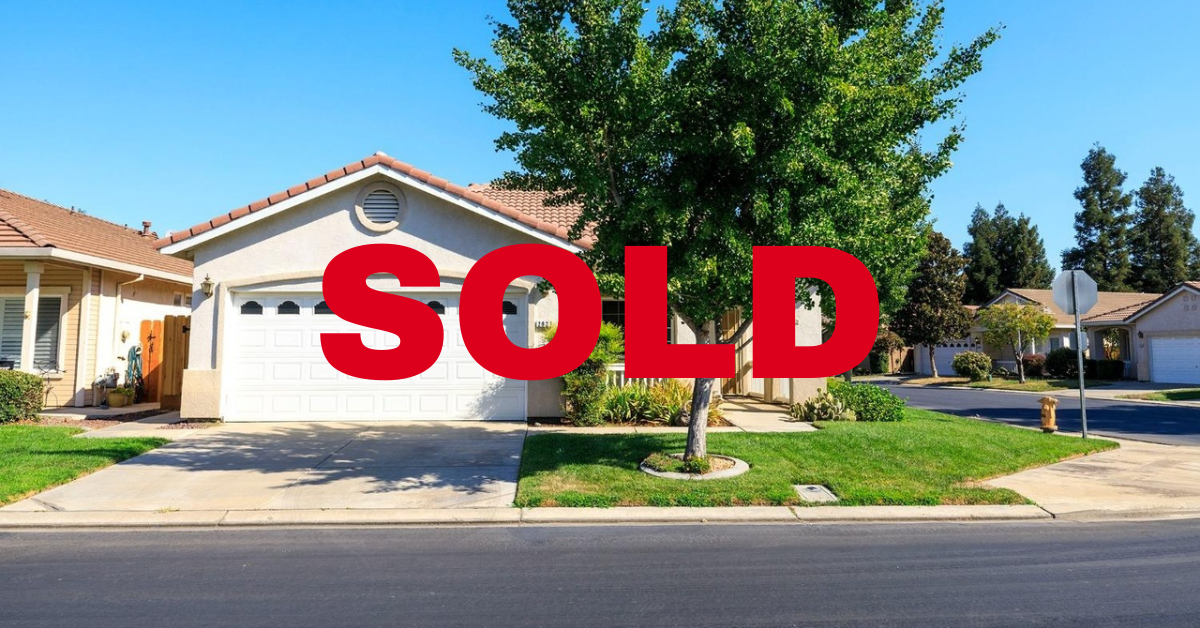
SOLD – 2021 Spring Valley Dr. Turlock
North Turlock, Gated Community, 55+ Community. This Charming Home has Approx. 1148sf with 2 Bedroom and 2 Full Baths. Very Comforting Floor Plan with lots of windows throughout. Great Corner Lot near the Entrance and Exit, has some space. New Fence in the Backyard with Pavers, Tool Shed, Patio, and Garden. Master Bedroom has Double Closets, Double Sinks, and a Large Shower Stall. Big, Open Kitchen with Formal Dining Area. Front Living Room with Lots of Windows with Views. Inside Laundry, Lots of Built-in Cabinetry, many Garage Cabinets, and More.
SOLD – 107+AC E Linwood Ave. Turlock
Water, Water, Water…Young Almonds in the City of Turlock Urban Reserve Designation. Approx. 107.85 acres of TID Ground, Water, and Power. Block #1 is 56 Acres of 4th-year-old Independence that produced 90,000 pounds last year. Block #2 is 51 acres of soon-to-be Independence (planting in the next two weeks). Tree spacing is 21×16. 150hp Deep Well with 1500gpm to run the Ranch, One-Set, Double line Drip. The owner will be installing Micro-sprinklers on the 4-year trees in the next couple of weeks. 75hp Booster Pump from the TID District Water. Great Soil, Great Water, and Near the City Sphere of Influence.
How Is Your Credit Score Calculated and Why Is It Important?
Your credit score affects whether you can get a credit card, rent an apartment, buy a house, start a business, or even get a cell phone contract.
You know credit scores exist. You might even know what yours is. But do you know how it’s calculated and why it’s important?
Your credit score affects whether you can get a credit card, rent an apartment, buy a house, start a business, or even get a cell phone contract.
A low credit score can limit your choice of loans or determine if you can get one at all — and if you can, it might have a high-interest rate.
“There’s a huge cost to having a low credit score that happens to people, an actual true financial cost to them, and it’s a shame that people don’t learn about this or know about it or pay attention to it until usually it’s too late,” said Colleen McCreary, consumer financial advocate at Credit Karma.
Here’s a look at how you can create healthy habits to avoid having a low credit score:
WHAT IS A CREDIT SCORE?
A credit score is a mathematical formula that helps lenders determine how likely you are to pay back a loan. Credit scores are based on your credit history and range from 300 to 850.
“It’s a score that is going to determine how comfortable people are to lend you money,” McCreary said.
If your credit score is high, you can borrow more money. But if it’s low, you can borrow less or no money, or borrow money with a high interest rate, which can then create more debt.
Banks, landlords and insurance companies look at your credit score to determine the type of credit card that you can get approved for, whether you are the right fit for an apartment, and your insurance rate, among other things.
“Essentially, the bank will say ‘Hey, you don’t have a great credit score. Instead of a 2% interest rate, we’re going to give you a 3% interest rate,'” said Kristin Myers, editor-in-chief of The Balance, a personal finance website. “It might mean that you’re paying out more money over the lifetime of a loan every single month.”
HOW IS MY CREDIT SCORE CALCULATED?
While the idea of credit scores is simple, the way they’re determined is more complicated.
Credit scores can come from several credit reporting agencies. The three most used are Experian, Equifax and TransUnion. Each has its own model to calculate credit scores.
While we know generally what factors into credit scores, the agencies don’t share their specific formulas with the public. But each produces a slightly different score.
“One is scoring like a basketball game, one is like a football game and one is scoring like a hockey game,” said McCreary, who added that you shouldn’t worry if one agency gives you a few points less than others.
Since you don’t know which agency your lender is going to use to check your credit score, McCreary also recommends that you check all three of them before requesting a large amount of credit.
Here are the factors that are frequently used to calculate your credit score:
— Bill payment history
— Length of credit history
— Current unpaid debt
— How much of your available credit you’re using
— New credit requests
— If you have had debt sent to collection, foreclosure, or a bankruptcy
One thing that doesn’t affect your credit score is how much money you make, said McCreary. But you still need to take care to only borrow the amount you can afford to pay back.
Other aspects that don’t affect your credit score include your age, where you live and your demographic information such as race, ethnicity, and gender, according to Experian.
HOW DO I FIND OUT MY CREDIT SCORE FOR FREE?
There are several ways that you can check your credit score for free. A great place to start is to check if your bank offers this service for its customers. Additionally, each of the three credit reporting agencies allows you to check your credit score for free.
Everyone is entitled to one free credit report a year from the three agencies at annualcreditreport.com, according to the federal government.
Other companies such as NerdWallet, Credit Karma and WalletHub also offer this service for free.
WHAT IS A GOOD CREDIT SCORE?
You are considered to have a good credit score if it’s 670 or higher. If your credit score is over 750, you’re considered to have a great credit score, said McCreary.
“There is this sort of dream scenario of having an over 800 credit score, that is a very high credit score and very few people get there,” said McCreary.
“Fair” credit scores are considered to be in the 580-669 range, a credit score below 580 is considered a poor credit score.
HOW CAN I IMPROVE MY CREDIT SCORE?
The journey to improve your credit score is different for everyone. But some steps that can help you tackle credit card debt include paying at least the minimum monthly payment and, if you can, paying just a bit more over the minimum so you pay less interest over time.
Additionally, McCreary recommends that you try to keep a balance between your credit or loans and the amount you can afford to pay back.
You can read more experts’ recommendations on how to increase your credit score here.
DOES CHECKING MY CREDIT SCORE LOWER IT?
Checking your credit score does not lower it unless you are making a “ hard inquiry,” which is only done when requesting a line of credit.
Soft inquiries, where you want to know your credit score, do not affect your score and it’s a good habit to check your credit often to make sure it’s accurate.
On the other hand, lenders make hard inquiries when you apply for credit like a mortgage or a car loan, and those do show up on your credit report.
McCreary recommends not making several requests for credit at the same time since this could hurt your credit score. It’s best to know beforehand what your credit score is and then apply when you are confident that your loan will get approved.
HOW CAN I CREATE HEALTHY HABITS WITH MY CREDIT SCORE?
The first step is to check at least once a year to make sure you are comfortable with your current credit score.
If you are planning to request a large credit line, you want to check your score a few months prior and see how you can start improving it. If you are currently trying to increase your credit score, it’s recommended that you check it often to see if your actions are making a difference.
If you feel you need help from a professional to improve your credit score, a good place to start is the National Association of Personal Financial Advisors ‘ search engine for registered advisors. If you notice a mistake in your credit report, you can dispute it by contacting the respective credit reporting agencies.
Being aware of your credit score and maintaining healthy habits around it is crucial to having a good credit history. However, it is important for people to know that their financial worth shouldn’t be attached to their credit score, Myers said.
“It doesn’t mean that you’re a bad person or terrible with money and that you need to constantly beat yourself up,” she said.
Source: usnews.com ~ By: ADRIANA MORGA, Associated Press ~ Image: Canva Pro
What Are Federal Fair Housing Laws?
Find out who is protected by the federal Fair Housing Act of 1968, how to spot housing discrimination and ways to report it.
In many situations, laws regarding property, housing, and the process for people moving into and out of a home are left to states, counties, and individual cities to determine. However, the federal government regulates housing most notably when it comes to discrimination, and is aimed at protecting groups who would otherwise face higher prices, lower valuations or even outright denial of housing. This protection at the federal level is known as the Fair Housing Act.
Despite federal protections against housing discrimination, as well as state and local laws that echo and even elaborate on the federal law, housing discrimination still occurs. Here’s a breakdown of how you’re protected, who enforces federal fair housing laws and how to tell if you may be facing housing discrimination.
- What is the federal Fair Housing Act?
- Who is protected by the federal Fair Housing Act?
- Forms of discrimination that violate the Fair Housing Act.
- Who enforces the federal Fair Housing Act?
- How to avoid being a victim of housing discrimination.
What Is the Federal Fair Housing Act?
Originally enacted in 1968, the Fair Housing Act protects against housing-based discrimination, whether that’s buying or selling a home, getting a mortgage, renting a home or seeking housing assistance. In the years since, the Fair Housing Act has been amended to widen the protections people receive, in particular which qualifications are considered a protected class.
Who Is Protected by the Federal Fair Housing Act?
The federal Fair Housing Act protects against housing discrimination on the basis of:
- Race.
- Color.
- National origin.
- Religion.
- Sex, including gender identity or sexual orientation.
- Familial status.
- Disability.
The law protects against discrimination from landlords, real estate companies, real estate agents, cities or other governing bodies, banks or other lending institutions and related businesses, like homeowners insurance companies.
States often have fair housing laws to further enforce such laws at the state level, and in some cases the protections go even further than the federal law. According to the Poverty & Race Research Action Council, 20 states and the District of Columbia have state laws protecting against source-of-income discrimination, which in most cases protect tenants who receive Social Security, housing vouchers or other forms of government income assistance.
Forms of Housing Discrimination That Violate the Fair Housing Act
Housing discrimination can come in many forms, and some are more obvious than others. Setting a higher rent for an individual with a disability, for example, would be a fairly blatant violation of the Fair Housing Act.
However, it’s not always easy to tell if a person’s treatment or the outcome of a deal has motives based on discrimination. Especially in cases when there are multiple people placing an offer on a house, it’s hard to tell if the decision factored in details protected in fair housing laws. Here are a few forms of housing discrimination that occur, and how they may play out:
- Redlining. Redlining is a systemic discriminatory practice that effectively segregates parts of a city or county and undervalues property owned by a targeted group – most often racial or ethnic minorities. The practice of redlining – of which there is historical evidence in the U.S. in lending institutions, government and many other facets of the real estate industry – stunts the growth of generational wealth. While this practice was once rampant as official company policy throughout the industry, it still occurs today. A recent example of modern-day redlining was first published in The New York Times on Aug. 18 when two Johns Hopkins University professors, who are both Black, received an appraisal for their home of $472,000, which was shockingly low compared to what they were expecting. Months after that first appraisal, the couple applied for another refinance loan, removed family photos and had a white male colleague – another Johns Hopkins professor – stand in for them. The second appraiser valued the house at $750,000. The couple is now suing the original appraisal company, the appraiser and the lending institution that hired the appraisal company for racial discrimination.
- Steering. Steering occurs when a person or company tries to influence a buyer, renter or seller’s decision because of their connection to any of the protected classes. For example, if a real estate agent were to only show a Hispanic family houses in a predominantly Hispanic neighborhood despite houses in the family’s budget located in other neighborhoods, and without them having expressed interest in that specific neighborhood, it would be considered steering. The family shopping for a home would be led to believe that neighborhood was the only option for them. More subtle forms of steering may occur when an agent discusses crime in the neighborhood, which can be coded language for racial makeup of the area, regardless of actual crime statistics and whether they would put a resident at risk of becoming victim to a crime.
- Blockbusting. This practice, done by real estate agents and housing developers, is most often race-related. Blockbusting includes encouraging minority families to begin moving into a predominantly white neighborhood, while simultaneously working to scare white residents to move out based on the presence of the new, more diverse neighbors. The intended effect is to lower the value of properties in the neighborhood.
- Different or More Discouraging Application Processes. A landlord, mortgage lender or even title insurance company must have the same application and due diligence process for all applicants. A different process for different applicants may be linked to discouraging members of a protected class from purchasing a home, or the separate process may make it easier to deny a loan or lease. The Federal Reserve’s Federal Fair Lending Regulations and Statutes compliance handbook lays out the details of this situation, among others, as a practice that is explicitly prohibited by fair housing laws.
Who Enforces the Federal Fair Housing Act?
The U.S. Department of Housing and Urban Development investigates claims of fair housing violations, with information about reporting via phone or online on its website. HUD will investigate the claim and if there is sufficient evidence of a fair housing violation, will try to resolve the issue and may take legal action, if deemed appropriate.
You may also report the claim to your state to investigate as well under state fair housing laws, which may be able to move through the intake and investigation process faster.
To determine if your situation is one worth pursuing in court separate from the government investigation, contact an attorney that specializes in fair housing. “If a person feels that their home appraisal or mortgage application is undervalued, the first course of action may be to gather their comps that support that feeling and contact an attorney in fair housing to review their claim,” wrote Portia M. Wood, a generational wealth planning attorney operating in the District of Columbia, Maryland, Virginia and California, in an email.
You may find that there is enough evidence to file a discrimination case that stands alone, or your attorney may have information about other victims from the same company or individual that could lead to a class action lawsuit.
How to Avoid Being a Victim of Housing Discrimination
Discrimination not only makes it harder to find a home to own or rent, but also makes it more expensive, and can ultimately diminish an individual’s ability to grow wealth over the course of his or her lifetime. Fair housing laws exist because discriminatory practices lead to sweeping and devastating results that last generations, whether that discrimination is unintended, blatant, subtle or even covert.
The best way to fight for truly fair housing opportunities and end discriminatory practices is to both report them when spotted and be armed with the right information to better identify something that could be discrimination, whether that’s shopping around for mortgage programs and interest rates, researching available homes in a variety of neighborhoods or finding comparable home prices before an appraisal.
“We have to know our numbers. It is not putting the responsibility or the onus on the individual alone to solve systemic racism – that is something that can only be done at the system and governmental levels,” Wood says. “However individuals need to arm themselves with as much information about the market as possible, including whatever comparable homes recently sold for and how are those sales compared to their appraisal, so that they are well-versed and able to counter a redline appraisal. Without knowledge you have no power.”
Source: realestate.usnews.com ~ By: Devon Thorsby ~
Image: Canva Pro
End of Summer Sees Continued Slowdown of Home Showing Activity
Sept. 30, 2022 – This year’s decline in home showing traffic began leveling off in August, according to the latest data from the ShowingTime Showing Index®.[1]
Home showing traffic is returning to earth in line with the market’s rebalancing from the record-breaking highs brought on by the pandemic. Obstacles to affordability have meant less competition and more homes for sale, giving home shoppers more time and options.
The West and Northeast regions experienced slight pickups in showing activity with the first month-over-month increases since January and April, respectively. The South and Midwest regions each saw small monthly decreases in August.
A majority of listings averaged between four and nine showings. Burlington, Vermont, again led all markets in showings per listing with an average of 12.2 and was the only market to crack double digits. More than 70 markets analyzed saw year-over-year increases in the ratio of showings per listing, compared to only four markets in July.
“The more moderate pace at which home showings are slowing down and the increase in markets that saw more showings per listing this month are signs that the market may be starting to find a new balance,” said Mike Lane, vice president of sales and industry for ShowingTime+. “Buyers will continue to see less competition for homes and have more time to tour homes they like and consider their options.”
| Metropolitan Area | Ratio of Showings to Listings[2] | Year-Over-Year Change[3] | Month-Over-Month Change[4] |
| Atlanta, GA | 6.24 | -33% | -4% |
| Austin, TX | 4.19 | -45% | -3% |
| Boston, MA | 7.53 | -11% | 1% |
| Burlington, VT | 12.16 | 5% | 0% |
| Chicago, IL | 7.04 | -6% | -2% |
| Cincinnati, OH | 7.73 | 0% | 1% |
| Columbus, OH | 7.85 | -9% | 0% |
| Denver, CO | 7.59 | -40% | 3% |
| Houston, TX | 6.66 | -22% | -4% |
| Kansas City, MO/KS | 8.09 | -13% | -6% |
| Las Vegas, NV | 2.98 | -36% | -2% |
| Los Angeles, CA | 4.40 | -33% | 3% |
| Memphis, TN | 6.96 | -36% | -6% |
| Miami–Fort Lauderdale, FL | 7.77 | -32% | -1% |
| Minneapolis–St. Paul, MN | 6.75 | -14% | -2% |
| Nashville, TN | 6.48 | -33% | -3% |
| Philadelphia, PA | 7.91 | -12% | -3% |
| Phoenix, AZ | 5.35 | -43% | 3% |
| Portland, OR | 6.55% | -29% | 2% |
| Raleigh, NC | 6.80 | -33% | -1% |
| St. Louis, MO | 7.64 | 1% | -1% |
| San Francisco, CA | 3.28 | -27% | 12% |
| Seattle, WA | 8.15 | -40% | 7% |
| Virginia Beach, VA | 8.06 | -15% | -7% |
| Washington, DC | 8.18 | -15% | -2% |
Source: showingtime.com ~ Image: showingtime.com
[1] The ShowingTime Showing Index is compiled using data from more than 6 million property showings scheduled across the country each month on listings using ShowingTime products and services. It tracks the average number of appointments received on active listings during the month, then reports the numbers by region and nationally.
[2] Calculated using the average number of buyer showings per active listing on a monthly basis. July 2022.
[3] August 2021 – August 2022
[4] July 2022 – August 2022
How Are Mortgage Rates Determined?
Mortgage rates are determined by credit score, loan-to-value ratio, inflation, and more.
What factors determine mortgage rates?
Your mortgage rate is determined by many factors. Some are within your control and some aren’t. With awareness of these factors, you can feel more confident about getting a competitive interest rate when you choose a mortgage lender.
Mortgage rate factors that you control
Lenders adjust mortgage rates depending on how risky they judge the loan to be. A riskier loan has a higher interest rate.
When judging risk, the lender considers how likely you are to fall behind on payments (or stop making payments altogether), and how much money the lender could lose if the loan goes bad. The major factors are credit score and the loan-to-value ratio.
Credit score
The lowest mortgage rates go to borrowers with credit scores of 740 or higher. These borrowers have the broadest choice of loan products.
Interest rates tend to be a little higher for borrowers with credit scores of 700 to 739. For borrowers with credit scores from 620 to 699, mortgage rates are even higher. These borrowers might find it difficult or impossible to get high-amount jumbo loans.
With a credit score below 620, the interest rates are even higher, and options are fewer. Most of the loans available at this level are insured or guaranteed by the government.
The loan-to-value ratio measures the mortgage amount compared with the home’s price or value. Let’s say you make a $20,000 down payment on a $100,000 house. The mortgage will be $80,000. You’re borrowing 80% of the home’s value, so your loan-to-value ratio is 80%.
A bigger down payment gives you a smaller loan-to-value ratio, and a smaller down payment gives you a bigger loan-to-value ratio.
If your loan-to-value ratio is greater than 80%, it’s considered high, and it puts the lender at greater risk. This may result in a higher mortgage rate, especially when combined with a lower credit score. The loan will usually require mortgage insurance, too.
Other factors
Lenders may charge more for cash-out refinances, adjustable-rate mortgages and loans on manufactured homes, condominiums, second homes, and investment properties because those loans are deemed riskier.
Mortgage rate factors beyond your control
The overall level of mortgage rates is set by market forces. Mortgage rates move up and down daily, based on the current and expected rates of inflation, unemployment and other economic indicators.
Overall economy
Mortgage rates tend to rise when the outlook is for fast economic growth, higher inflation and a low unemployment rate. Mortgage rates tend to fall when the economy is slowing down, inflation is falling and the unemployment rate is rising.
Inflation
Rising inflation is often accompanied by rising interest rates because when prices go up, the dollar loses buying power. Lenders demand higher interest rates as compensation.
Ten years of low inflation contributed to low mortgage rates. But as inflation accelerated in early 2022, mortgage rates rose dramatically.
Job growth
When the COVID-19 pandemic led to stay-at-home orders in the spring of 2020, the resulting layoffs and furloughs caused a recession. Mortgage rates already were low, and they fell even further — just as one would expect to happen in a recession.
Other economic indicators
Mortgage investors pay attention to many economic trends besides inflation and employment — including retail sales, home sales, housing starts, corporate earnings, and stock prices.
Federal Reserve
The Federal Reserve doesn’t set mortgage rates. The Fed raises and cuts short-term interest rates in reaction to broad movements in the economy. Mortgage rates rise and fall according to those same economic forces. Mortgage rates and Fed rates move independently of each other, but usually in the same direction.
Are mortgage rates the same for all lenders?
Mortgage rates vary from lender to lender because lenders have different appetites for risk and different overhead costs.
When a lender reaches its capacity of loan applications its employees can process, it might keep rates slightly higher than necessary to keep from being overwhelmed; when business is slow, the lender might charge slightly lower rates to drum up business.
Shop with confidence
Because lenders’ mortgage rates vary, it’s smart to shop for a mortgage from several lenders because you could save thousands of dollars over the life of the loan.
And now that you understand how mortgage rates are determined, you’re more equipped to ask smart mortgage questions when shopping for lenders.
Source: nerdwallet.com ~ By: Holden Lewis ~ Image: Canva Pro
SOLD – 1825 Westminster Ln, Turlock
Welcome to 1825 Westminster. This charming Turlock home situated on .24 acres provides RV parking and a 3 car garage. The 2235 square foot one story floor plan has 4 bedrooms (2 large with outside access) and 2 baths. Cathedral ceilings, living and family rooms, fireplace, inside laundry, central vac system and much more will delight the new owner. There are many fruit trees, a garden area, water fountain and a storage shed displayed in the peaceful backyard.