10 Tips for a Successful Open House

OPEN HOUSE

Here’s how homebuyers and sellers can prepare for and get the most out of an open house.

For a home on the market, a Sunday open house feels like a tradition to most home sellers, real estate agents, and curious neighbors who love to peek inside properties on their street.

Still, an open house can be a productive way to show a home, take a tour and connect with a real estate professional. Here are 10 tips for both buyers and sellers to make for a successful open house:

Make Your Home Tour-Ready

Even in a hot seller’s market where there are more buyers vying for a home than there are properties for sale, you’ll set yourself up for failure if you have an open house before your home is in good shape.

Eager buyers won’t overlook major flaws in your home – they’ll either opt to pass or make an offer below what you feel your home is worth. Mow the lawn, plant flowers, paint the front door if it’s seen better days, and repair any issues.

“Fix the red flags. Do not let live buyers come to your property if you did not fix your septic problem first, or you didn’t fix the mold problem in the basement,” Sheehan says.

Clean and Declutter

Beyond the larger projects you should undertake to prepare your home for tours, don’t forget to depersonalize, remove items from closets and surfaces and give the entire place a deep clean.

Clean the floors, vacuum, and wipe down baseboards and windows. Shoes, laundry, and dishes should be out of sight. Any valuables should be moved out of the house or locked away for safekeeping.

If you’re the kind of person who’s used to making your bed in the morning and not letting dishes pile up, preparing for an open house should require only a few extra steps. “I don’t know that it’s particularly difficult for a fastidious homeowner to prepare for a Sunday open,” Sheehan says.

Let People Know

In order to have people show up to your open house, they have to know about it. Your real estate agent will likely take the reins in marketing the open house with signs in front of your house and around your neighborhood as well as posting on the local multiple listing service and consumer-facing listing sites like Zillow, Trulia, and realtor.com.

The more people who know about the open house, the more you’re likely to tap into the large buyer pool. Todd Szwajkowski, a real estate broker and president of SwakeGroup at Dream Town Realty in Chicago, says that an open house the first weekend a property is on the market tends to lead to multiple offers in the current competitive environment.

Stay Away From the House

Once the house is open to the public, make yourself scarce. Just as you remove any family photos around the house, buyers don’t want to meet the seller while they’re trying to form an honest opinion of the property.

Take your pets with you during the open house as well. People may be allergic, and not everyone is a fan of dogs or cats, even if they’re friendly. Evidence of a pet in the house can also be a turnoff for some buyers – which is why deep cleaning to remove any residual pet smell is a must.

Let Your Agent Take Control

As the seller, make sure you pick a listing agent whom you trust with your home. During an open house, you have to be willing to relinquish control to your agent and trust him or her to show off your property in the best light.

Move Fast

If you’re a buyer attending an open house to consider making an offer, you have to be ready to move fast. Realtor.com reports that the inventory of homes for sale in April decreased by 53% over that past year. The average number of days on market in the U.S. was just 43 days in April, which includes time spent under contract, and is 20 days less than in April 2020, according to realtor.com.

If a home you’re serious about has an open house its first weekend on the market, come to the open house prepared with an understanding of your financial situation, a loan preapproval when possible, and a willingness to make an offer after touring.

Bring Your Own Agent, When Possible

If you’re already represented by a real estate agent, try to visit open houses together as you would a private showing. Your agent can also speak to the listing agent on your behalf – a necessity if you’re serious about making an offer.

“The pleasant and seemingly helpful open house host is not there to represent your best interest. They are there to represent the seller’s best interest,” said Ken Reid, owner of Buyers Brokers of Arizona in an April press release from the National Association of Exclusive Buyer Agents about the importance of having a buyer agent at an open house. “They are there to sell you their client’s home and collect information that will put their client in a better position to negotiate should you decide to make an offer on the home.”

Try for a Private Showing as Well

If you can, schedule a private showing outside of the open house hours. This will give you the chance to take your time and form an opinion without other competing buyers serving as a distraction.

Especially if you expect the home to have multiple offers on its first weekend on the market, try to see the home privately ahead of time. Or, if that’s not possible, attend the open house and schedule a private showing afterward to finalize your opinion. Sheehan notes she has foregone open houses for some current listings simply because there are enough requests for private showings that an open house gets in the way.

Take Notes

If the house meets your needs on paper, take the tour with your checklist of must-haves in mind and point out issues that may be deal-breakers. A crack in the wall or a sign of a possible water leak is worth jotting down to ask the listing agent or an inspector about.

With the market moving as fast as it is, notes will help you remember the pros and cons of each home you tour, which will otherwise start to blend together if you view more than a couple of houses in a day.

Source: realestate.usnews.com ~ By:  ~ Image: Canva Pro

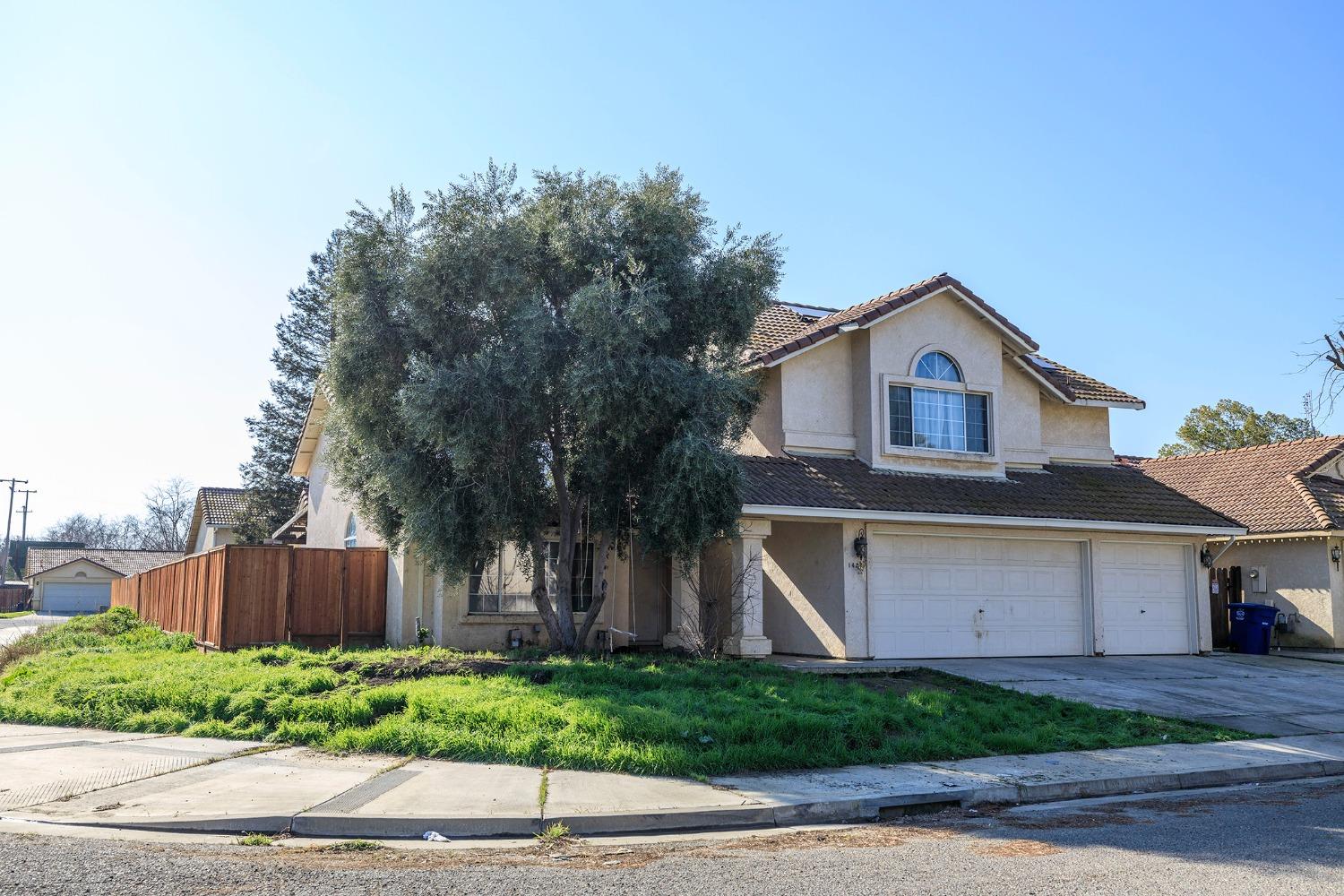
SOLD – 1481 Stallion Wy. Turlock

Great Starter Home. Boat or RV Access on this Beautiful Corner Lot with Newer Roof, Newer Stucco, and Newer HVAC System all within the last couple years. Approx. 1342sf with 3 Bedrooms and 2 Full Baths. Big Living and Kitchen Areas. 2 Car Garage. Close to Highway 99 Access, Shopping, and Schools.

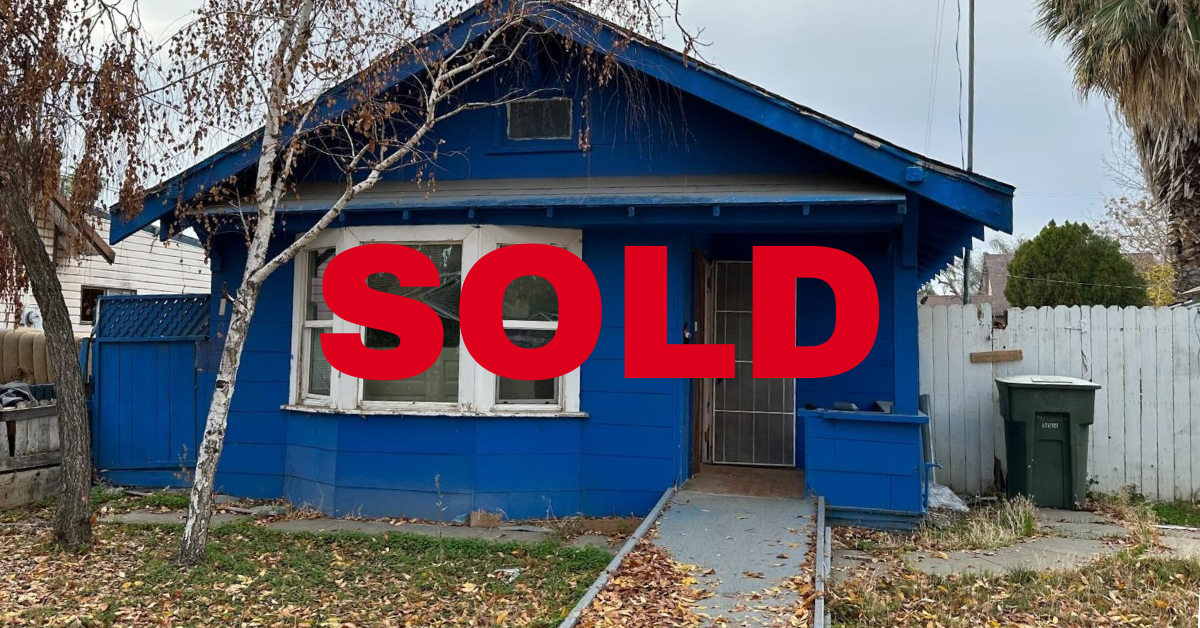
SOLD – 305 S 5th St, Patterson

Fixer In the Desirable and Established Neighborhoods of Patterson. Almost 800sf.  Detached One Car Garage. A huge Lot of over 7400sf with Alley Access.  2 Bedroom and 1 Full Bath.  Here are some Ideas… Built another ADU unit, build a Duplex or more… Please Check with the City on all Possibilities.

Financial Fundamentals for First-Time Homebuyers

Are you prepping to buy your first home? If so, one of the steps you should take early on is making sure you’re financially ready for your purchase. Here are just a few of the financial fundamentals you’ll need to focus on as you set out to buy a home.

Build Your Credit

Your credit is one element that helps determine which home loan you’ll qualify for. It also impacts your mortgage interest rate. While there are many factors that go into your mortgage application, a higher credit score could lead to a lower monthly payment in the long run.

So how do you make sure your credit is in the best shape possible when it’s time to buy? A recent article from NerdWallet lists a few tips you can use as you work to build and strengthen your credit. They include:

  • Tracking your credit and disputing any errors that show up on your reports.
  • Paying your bills on time. This includes making loan payments and paying down any open lines of credit.
  • Keeping your credit card balances low. Paying more than your minimum monthly balance when you’re able can help.

Automate Your Savings for Your House Fund

You might also be wondering how you can achieve your down payment savings goals. Bankrate provides buyers with a number of tips to help you save, including searching for down payment assistance programs and ways you can save more, faster. As the article says:

“One of the best ways to save for anything — including a down payment — is to set it and forget it. If you receive a regular paycheck, ask your employer to direct a portion of that payment into a savings account. If you’re a freelance worker or independent contractor, set up a recurring transfer from a checking account to a savings account to establish the routine.”

Get Pre-Approved

As you prepare for your purchase, you’ll also need to have a good grasp on your budget and how much you’ll be able to borrow for your home loan. That’s where the pre-approval process comes in.

Pre-approval from a lender lets you know how much money you can borrow for your home loan. And having that knowledge, plus an understanding of your savings can help you decide on your target price range for a house.

From there, you can start browsing for houses online and see what’s available in your area at that general price point. This can help you really understand your options so you can start to picture your future home.

For Customized Advice, Build a Team of Professionals

Finally, the best way to make you’re prepared for your purchase is to connect with trusted real estate professionals. Having expert advisors in the industry will help you make strong decisions throughout the home-buying process based on your specific goals, finances, and situation. They know the market and can guide you toward the home of your dreams.

Bottom Line

If you’re ready to get the homebuying process started, connect with a local real estate advisor to begin building your team of professionals today.

Source: keepingcurrentmatters.com  ~ Image: Canva Pro

5 Fox Borough Dr, Oakdale, Lot Size Acres: 0.4626

5 Fox Borough Dr, Oakdale

This slideshow requires JavaScript.

$329,900 – Custom LOT, just East of the Oakdale Country Club, in the Hillsborough Estates Custom Homes Subdivision. 0.46 of an ACRE LOT with Oak trees in the Back along the BLUFF. Lot 5 on Fox Borough Drive. Seller’s have plan with Engineering on a 3700 Custom Home Plot.

Property Features

  • Lot Description: Building Pad, Fire Hydrant(s), Street Light(s)
  • Lot Size Acres: 0.4626
  • Lot Size Dimensions: Approx. 0.46 of an Acre Lot
  • Topography: Level
  • Vegetation: Trees Few
  • Lot Size Square Feet: 20151

Exterior and Lot Features

  • Road Frontage Type: City Street
  • Road Responsibility: Public Maintained Road

Home Features

  • View: City, Hills, Woods, Mountains

Homeowners Association

  • Association: Yes
  • Association Fee: 150
  • Association Fee Frequency: Annually
  • Association Fee Includes: Management
  • Calculated Total Monthly Association Fees: 13

School Information

  • School District: Stanislaus

Commercial Info

  • Business Type: Residential

Other Property Info

  • Source Listing Status: Active
  • County: Stanislaus
  • Cross Street: Dillwood Rd.
  • Development Status: Building Site Cleared, Site Plan Approved, Finished Lot(s)
  • Directions: Dillwood off Highway 108. Turn Left on Foxbo
  • Source Property Type: Residential Lot
  • Possible Use: Residential
  • Area: NE County Rural
  • Source Neighborhood: 20203
  • Parcel Number: 010-076-005-000
  • Zoning: Res
  • Zoning Description: Residential
  • Source System Name: C2C

Utilities

  • Electric: Electric Available
  • Cable Available
  • Underground Utilities
  • Internet Available
  • Water Available
  • Phone Available
  • Water Source: Private

20 Home Renovations That Will Hurt Your Home’s Value

too much wallpaper

Your home isn’t just a source of pride or a place where you can relax after a long day — it’s also an investment in your family’s future.

And while it’s natural to want to make improvements to increase your home’s resale value, some renovations will actually cost you money in the long run. Just because you see something as an improvement doesn’t mean a potential buyer will feel the same way.

Lavish Lighting Fixtures

One common home improvement mistake is falling in love with unique or lavish light fixtures, said Alon Barzilay, founder of real estate development company Urban Conversions.

“Whether it be ceiling-mounted lights in a dining room or a hanging pendant, there is a psychological phenomenon that happens when you go to a lighting store … you’re going to pick something exciting and new instead of picking a new addition that suddenly matches the big picture,” Barzilay said.

Further, the passage of trends works against homeowners. “Whatever is in vogue today will look dated 10 years down the road when you are ready to sell,” he said. “Simple is best. Fortunately, lighting can easily be switched out at a low cost.”

Too Much Wallpaper

With its patterns and texture, wallpaper can be an overwhelming design choice for your home. Plus, it’s notoriously difficult to remove. Homebuyers might view wallpaper removal as a potential headache, and it could be the tipping point for someone who wants a more move-in-ready home.

Fresh paint and neutral colors are always a good idea to help stage your home when it’s on the market. If you do have wallpaper, think about whether it’s beneficial to remove it and repaint the walls before any showings or open houses, so your potential buyers never have to think about your wallpaper mistakes.

Texture on the Walls and Ceilings

Just like wallpaper, texture on walls and ceilings is difficult to remove. Simply knowing that a time-consuming project lies ahead might cause homebuyers to decrease their offer. Think twice before deciding on a fancy textured painting technique, and play around with textured wall décor instead.

Quirky Tiling

Any over-personalized renovation can hurt the value of a home, especially something like tiling, which requires more effort and money to replace, said Bob Gordon, realtor, and blogger at Boulder Real Estate News.

“Many buyers like to upgrade the floors in their homes,” he said. “Adding tile or wood can make an improvement in value — unless you get that person who wants the 1950s diner look and installs black-and-white tile. For their vision, this is the pinnacle of cool. But for a resale value, most homebuyers will see it as a distraction and something they will need to rip out.”

Instead of falling victim to tiling mistakes, consider going with a traditional white tile floor, and buy a rug with the style you’re going for, he recommends. If you don’t want to spend a fortune on a professional to replace the flooring, consider doing this home renovation yourself.

Too Much Carpeting

In an interview with Realtor.com, home remodeling expert Alex Biyevetskiy said that new hardwood floors can increase the sale price of a home by up to 2.5%. Compared to hardwood and laminate floors, carpet can quickly show signs of damage. Plus, colors and textures are highly based on personal preference, and any overly personal touches can decrease a home’s value.

Bright and Bold Paint Colors

Bright and bold paint colors can turn off any potential buyer who might lack a bit of vision. Fortunately, repainting a room before putting your home on the market is an easy fix, albeit an important one. Choose neutral colors to present buyers with a blank canvas, which can help them envision the home in their own style, HGTV recommends.

An Extremely High-End Kitchen

The kitchen is often seen as the heart of a home, and it’s a project many homeowners save up for. The resale value of a major, high-end kitchen remodel is actually less than what you’ll invest in it, however. In 2021, the national average for a major kitchen remodel was $75,571, but the resale value was only $43,364, according to the site Remodeling.

To avoid kitchen renovation mistakes that won’t give you a return on investment, try to focus on which aspects of the kitchen are most outdated or worn. And as tempting as it might be, consider selecting mid-range appliances rather than the expensive high-end options.

A Luxury Bathroom

An upgraded bathroom can certainly add value to a home, but it’s easy to get carried away and take the idea of luxury a little too far. Potential buyers could be scared off by bathroom remodel mistakes like over-personalized finishes and over-the-top whirlpool tubs that are hard to clean and hard for some people to climb into. Instead, consider a walk-in shower, which typically uses less floor space.

A Home Office Conversion

Thanks to improved technology, more professionals have the opportunity to work from home, and some might consider creating a dedicated home office space to get the job done. If the new office was formerly a bedroom, this could be a costly mistake.

Along with removing bedroom furniture, you will likely need to add wall outlets and phone jacks (up to $425) and install new hardware, which could bring the total cost up to $3,000, according to HomeAdvisor. If a prospective buyer would rather have the bedroom space, you spent a lot of money for nothing.

Combining Bedrooms To Create a Bigger Room

Combining two small bedrooms to create a bigger room might seem like a good idea to a young couple with no children or to empty nesters whose children have left the house. But this is a bad move if you don’t plan on staying in that home forever, said Brian Davis, real estate investor and director of education of renting resource SparkRental.

“Even small bedrooms add value to homes, as most families want children to have their own rooms but don’t mind if they’re on the small side,” he said. “In my experience, each bedroom can add about 15% to the value of a home.”

Instead of knocking down walls, try simple tricks to make your bedroom space look bigger, like lighter colors and modern, slim furniture.

Removing Closets

Michele Silverman Bedell, owner of residential agency Silversons, told MarketWatch that she’s seen firsthand how removing a closet to make room for another upgrade, such as a larger bathroom or bedroom, can hurt a home’s resale value.

“People need closets,” Bedell said. “They’ll walk in and count the number of closets per room.”

A Sunroom Addition

A sunroom can be a great space to enjoy the outdoors away from the elements, but according to Remodeling, a sunroom addition is one of the worst home renovations when it comes to returning on investment, with a cost of an addition exceeding approximately $75,000 while only adding just over $35,000 to the value of the house.

Think carefully about how often you’ll use a sunroom before committing to this costly renovation, especially if your home might be on the market soon. Plan ahead to avoid the sneaky expenses that come with renovating your home.

A Built-In Aquarium

A built-in home aquarium can make a home feel fancy and upscale, but it requires constant maintenance and can be costly to remove. Not all potential buyers will want to care for a large tank full of fish or pay for the maintenance that comes along with it. Instead, opt for a standard fish tank to avoid any issues down the line.

Built-In High-End Electronics

An in-house theater is perfect for any movie buff, but built-in or customized electronics that take up space in an otherwise usable room could be off-putting to potential buyers, according to famed home improvement expert Bob Vila. As with all home renovations, personalization can lead to a decrease in home value, and built-in technology that can quickly become outdated is no exception.

A Swimming Pool

Contrary to popular belief, a swimming pool renovation or addition is not the best way to add value to your home. In fact, according to HouseLogic, a swimming pool could increase a home’s value by 7% at most — and that’s only in certain circumstances.

“Unless you live somewhere that’s hot at least six months out of the year, pools are generally more trouble than they’re worth,” Davis said. “The only people who really want them are families with a certain age range of children, so it limits the potential buyers.”

Because of the cost to build a pool, maintenance expenses and a very minor potential value increase, a swimming pool addition simply isn’t worth it for most homeowners.

A Hot Tub

Like swimming pools, hot tubs are a gamble — they take up space and require constant maintenance. Plus, homebuyers with children might consider a hot tub a safety hazard.

If a hot tub is on your list of must-haves for your home, consider a portable hot tub versus a built-in hot tub. You could potentially take it with you when you move, or your home’s new owners can easily remove it if they prefer.

A Garage-to-Gym or Living Space Conversion

For a fitness lover, a garage-to-gym conversion might seem like a wonderful idea. To parents of a millennial who just moved back home, a garage-to-apartment conversion probably seems like a money saver. But future homebuyers might not agree.

Many people search for houses with a garage, and what they’re looking for isn’t a gym or an extra living space — they’re looking for a garage to serve its primary purpose of housing cars and storage items.

If you must use your garage space as a gym or as extra living space, be sure future homeowners can easily and inexpensively remove the renovations.

The Wrong Landscaping Investment

Homeowners are prone to certain devaluing landscaping mistakes in the name of “curb appeal.” Costly landscaping decoration will not increase the value of your home, but rather increase the maintenance required for it. A potential buyer sees this, and it might turn into a concern. Fancy decorative additions that you find attractive are pretty much subjective, as well — including your personal DIY projects.

Keep your gardens beautiful but simple and easy to maintain, and be sure any decorative additions can be easily removed.

Beautiful but Messy Trees

Trees are an important part of any landscape, but it’s important to do your research before planting anything. Beasley recommends that homeowners particularly look out for any trees with leaves or flowers that might create a mess in the yard.

Constant leaf rain is not something that will positively attract a potential homebuyer. When fall comes, they will just know it will give them a hard time.

Trees to stay away from include oak, female Ginkgo biloba, sweet gum, locust tree and Eastern white pine. These messy trees can decrease your curb appeal, and removal can set you back a hefty sum, depending on the tree’s size, Beasley said. Instead, choose an alternative tree, like an Eastern red cedar, crepe myrtle or Colorado blue spruce.

DIY Repairs

Always think twice before getting into the do-it-yourself home improvement game. Gordon said he’s seen several examples of DIY jobs that have decreased a home’s value.

“I’ve seen plenty of houses where you can tell the owner did the work,” he said. “The owner probably feels she made all the right improvements, but buyers quickly see the shoddy workmanship and unusual finished product.”

There are ways you can increase your home’s value with DIY projects, but you need to be strategic. Gordon went on to recommend hiring a pro the first time out.

“Then ask to be a part of the process and learn from the professional as they do the job,” he said.

The bottom line is that any over-personalization of your home can lead to a decrease in value. Yes, you want to live in a space you love, but think twice before investing in any major or costly renovations. And always make sure your home improvements are completed with the proper permits by licensed professionals.

Source: goingbankrates.com ~ By:  Autumn Rose  ~ Image: Canva Pro

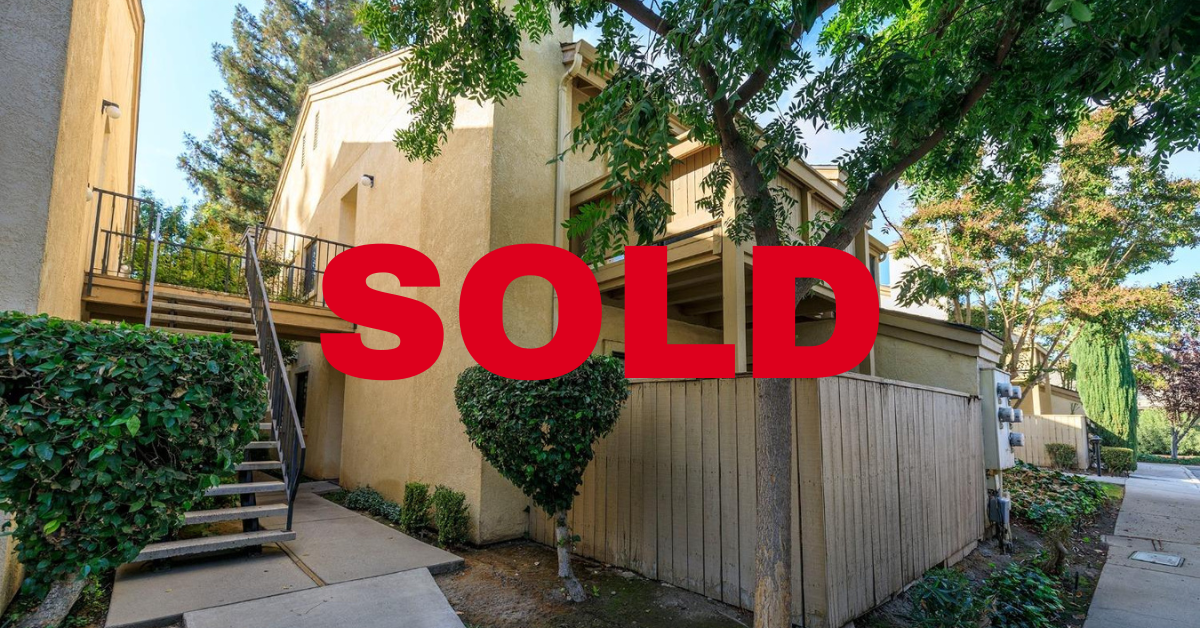
SOLD – 126 Apple Blossom, Murphys

126 Apple Blossom, Murphys

If location matters, this could be your home right in the heart of Murphys. Bright and clean 3 bedroom 2 bath home is move-in ready. There is a large wrap-around deck that is perfect for outdoor entertaining and relaxing. Take a quick and easy stroll to Murphys Main Street dining, wine tasting, shopping and entertainment. Mature trees and established landscaping welcomes you to your personal sanctuary. Home has new exterior paint and a recent section 1 pest clearance. Adjacent vacant lot is also offered for sale.

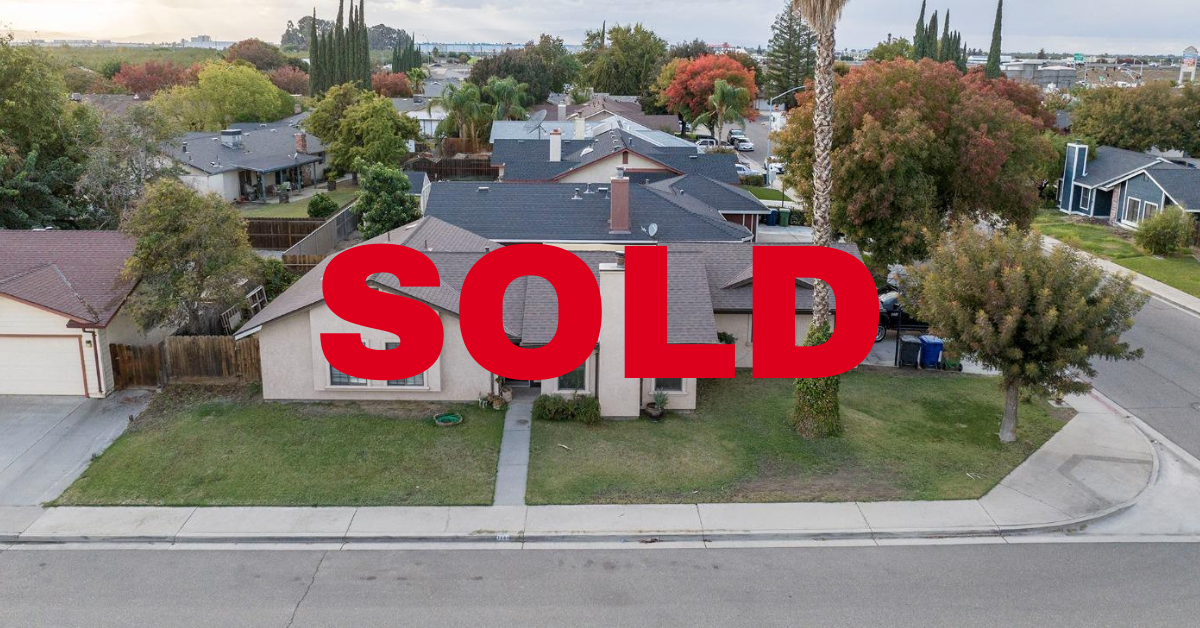
SOLD – 865 Santa Fe Ave. Hughson

Park-Like Setting on Over an Acre with House and Granny Flat. Over 2200sf with 4 Bedrooms with a Great Country Atmosphere. Separate Granny Flat of 1200sf with 1 bedroom, 1 Full Bath, Kitchen, and its own Building. Detached Workshop/2 Car Garage. Horse Stables with Room for Corrals and Riding Area. Surrounded by Trees and Views. A Must See!

Housing market predictions for 2023

Housing Predictions

We’re rounding the corner on 2022 and quickly heading toward a new year. That makes this a perfect time to prognosticate real estate matters for 2023. With mortgage rates escalating higher, home sales — and, in some areas, home prices — hitting the brakes, and increased uncertainty felt throughout the market, many homeowners, prospective sellers and prospective buyers are nervous about next year.

And for good reason. Consider that, at the time of this writing, the average 30-year fixed-mortgage rate is 7.04 percent. The inflation rate is an alarming 8.2 percent. And sales of previously owned homes dropped 1.5 percent in September from August to a seasonally adjusted annual rate of 4.71 million units, per the National Association of Realtors, which means that existing homes are selling at the slowest pace observed in 10 years.

We reached out to several industry experts, each of whom offered interesting forecasts and projections about where mortgage rates, home prices, buyer competition, housing supply, sales activity and home affordability are headed in 2023. Curious what the pros think? Read on for their evaluations and predictions.

Will mortgage rates continue to climb?

With interest rates roughly doubling from their lows in early 2022, it’s a fair assumption that the cost of financing a home won’t be coming down this year. But how about across 2023? Is there any light at the end of this dark tunnel?

Some say no. “Continued inflation, overall higher interest rates, a potential recession, and geopolitical tensions will force 30-year and 15-year mortgage rates up throughout 2023 and will bring the two rates closer together as short-term risks rise,” cautions Dennis Shirshikov, a strategist at Awning.com and a professor of economics and finance at City University of New York, who foresees the 30-year and 15-year benchmark mortgage loans averaging 8.75 percent and 8.25 percent, respectively, across 2023.

Robert Johnson, a professor of finance at Creighton University’s Heider College of Business, shares some of those sentiments.

“By the end of 2023, financial market participants expect that the Fed will have increased the target Fed funds rate by 175 to 200 basis points from current levels. That would translate into 30-year and 15-year mortgage rates at roughly 8.50 and 7.70 percent,” he says.

Rick Sharga, executive vice president of Market Intelligence for ATTOM Data Solutions, which analyzes real estate and property data, is more hopeful. He posits that rates peak at about 8 percent and 7.25 percent for 30-year and 15-year loans in early 2023, “then gradually come down over the course of the year somewhat to hang in the range of 6.0 percent and 5.25 percent, respectively. This is entirely dependent on the Federal Reserve’s ability to get inflation under control and ease up on its aggressive rate increases.”

Three different roads for interest rates

Nadia Evangelou, senior economist and director of Real Estate Research for the National Association of Realtors, meanwhile, envisions three different rate scenarios occurring next year.

“In scenario #1, inflation continues to remain high, forcing the Fed to raise interest rates repeatedly. That means mortgage rates will keep climbing, possibly near 8.5 percent. In scenario #2, the consumer price index responds more to the Fed’s rate hikes, and there is a gradual deceleration of inflation, causing mortgage rates to stabilize near 7 percent to 7.5 percent for 2023. In scenario #3, the Fed raises rates repeatedly to curb inflation and the economy falls into a recession. This could cause rates to likely drop to 5 percent,” she explains.

What Are Discount Points and Lender Credits?

Getting a Mortgage

A home purchase is one of the most significant financial decisions most people will ever make. Unless you’re paying for a home entirely in cash, which isn’t typical, it’s sensible to meet with your lender to discuss ways to reduce costs. Two methods of reducing how much you pay for your home are lender credit and discount points. But what is lender credit, and what are discount points?

Lender credits and discount points can have benefits, but it’s important to understand the difference between the two. To help you make an informed decision and prepare for a healthy financial future, here’s an explanation of how points and lender credits work.

What Is Lender Credit and What Are Discount Points?

As a starting point, imagine two homebuyer scenarios.

Scenario 1: A young couple decides to purchase a home where they plan to raise their growing family. Their parents are helping with the down payment, and they have sufficient funds for closing. Both individuals work full-time and have promising careers. They’re comfortable, but they’re aware of the expense of raising a family over time, and they’re concerned about their financial future.

Scenario 2: A single parent with two children in college decides to purchase a small home near the city where her children plan to live and work. Her available cash is currently limited, but with her children soon on their own, her expenses will go down. In addition, she anticipates rental income from her current home, although she may decide to sell later.

In one scenario, discount points might be a good choice, while in the other, lender credit might be the better option. Which homebuyer should choose points, and which should choose lender credit? Or neither?

Keep in mind that you’re not required to accept discount points or lender credits when applying for a mortgage but choosing to do so could help you in the short term or over time.

  • Discount points lower the interest rate of your loan by paying a certain amount upfront.
  • Lender credits allow you to lower your upfront costs by getting closing cost credits in exchange for a higher interest rate on your loan.

Among other considerations, your future plans should weigh heavily in your decision to take advantage of discount points or lender credit. Do you anticipate living in your home for the life of the loan or most of it? Is selling possible or likely in a few years? Other possibilities include refinancing later or paying the mortgage off early, both of which can make discount points less impactful.

Choosing between credits and points isn’t complicated when you understand the differences and evaluate your plans or potential lifestyle changes in the future. There is no one-size-fits-all answer, but with careful evaluation, you’ll have the information you need to make a decision.

Understanding Lender Language

In the process of searching for your new home, no doubt you’ve come across unfamiliar real estate terms. Words like pre-qual, contingencies, seller concessions, backup offers, and many others require close attention. In the same way, people who work at banks, mortgage loan companies, and other lending institutions have their own terminology. And those terms can be used in various ways.

With that in mind, mortgage lenders may seem to use points, discounts, and credit inconsistently. While specific programs are referred to with these terms, a lender may also use them in other ways.

For example, a mortgage lender might use the term “points” when talking about both discount points and lender credits. That’s because a “point” can refer to a specific amount of money: one percent of the loan amount.

Likewise, lenders also use terms like credit to talk about some form of compensation or bonus they may offer you, but that credit might not be related specifically to lender credits. For instance, if there is an error during the loan process, they may offer a “credit” to help make up for it. A mortgage lender might also offer a credit or incentive if someone referred you or the lending institution has a promotional offer, but these generally don’t impact your interest rate in the long term.

If a mortgage lender mentions terms like credits or points, don’t hesitate to ask for clarification. You’ll want to be sure of the facts and be able to make a sound decision that sets you up for success in the long term.

What Are Discount Points and How Do They Work?

Discount points allow you to pay more upfront to receive a lower interest rate. That lower interest rate could decrease your monthly mortgage payment or reduce how many payments you need to make before your home is paid off. If you don’t plan on refinancing or paying your mortgage off early, buying points could be a good option.

If you’re interested in buying points, remember that one point is equal to one percent of the loan amount. It’s not one percent of the interest rate, although it’s sometimes confused.

Let’s return to the young couple buying their first home, where they plan to raise their family.

If they take out a $100,000 loan, one point would represent 1% of that amount, or $1,000. They can also buy partial points, so a half-point would be $500, and one-and-a-quarter points would be $1,250.

If they choose to purchase points, the dollar amount will be due at closing, which will raise their total closing costs. However, the points purchased will lower the interest rate on their loan, which means they will have lower monthly payments. How much the interest rate is lowered depends on the lender.

Before deciding, they will need to ask their lender for specifics on how buying points will impact their interest rate and monthly payments. The more points they purchase, the lower their rate will be.

Your loan amount might not be as simple to work with as an even $100,000. However, your lender will make calculations appropriate to your situation and provide a Loan Estimate within three business days of you completing a loan application.  The Loan Estimate lists details such as the type of loan, the loan amount, discount points, insurance, projected monthly mortgage payments, and estimated closing costs. It’s a good idea to carefully review the Loan Estimate to ensure it fits your expectations.

Keep in mind that a Loan Estimate isn’t an approval or denial of your application, and it does not mean you can’t change the details. It’s intended only as information about the loan package you discussed with your real estate agent. You can also use it to compare other offers side by side.

If approved, and you accept, the specific information relating to discount points you may have purchased will be listed in a Closing Disclosure, which your lender will provide at least three business days before closing. This document provides the finalized details and terms of the loan including lender fees, your monthly payments, and all expenses due at closing.

The exact amount you’ll save per point depends on the type of loan, the current market, your lender, and other factors.

What Is Lender Credit and How Does It Work?

Although not completely accurate, it’s helpful to think of a lender credit as the opposite of points. When you buy discount points, your closing costs go up. However, if you accept lender credit, your closing costs go down. On the other hand, by agreeing to pay points at closing you can get a lower interest rate over the life of the loan, which means your monthly payments will be lower over the term of the loan.

The single parent mentioned earlier, who plans to buy a small house in the city where her two adult children live, might want to understand what lender is? This may be a good option for her, as she currently has limited cash, but no concerns about future income or expenses. In addition, she has uncertain plans and may decide to move to a warmer climate in five or ten years.

By selling the home she plans to purchase, she will pay off the mortgage early. That makes the higher interest rate and higher monthly payment that accompanies a lender credit less impactful over time.

Lender credits are calculated in much the same way as points, and your lender might even call them “negative points.”

Lender credits are listed in your Loan Estimate and Closing Disclosure, just as discount points are. The more credits you choose to take, the higher your interest rate will be. However, other factors such as current interest rates and type of loan can affect the actual number.

Should I Use Discount Points or Credits?

Points may seem the most appealing option for many homebuyers, as even a small increase in the interest rate can add up over a 15- or 30-year mortgage. However, the situation isn’t always so straightforward.

The decision process needs to consider how much the purchase of points lowers your interest rate and monthly payments. What’s more, if you intend to refinance later or pay off the mortgage early, then buying points may not be a wise decision.

On the other hand, opting for lender credit in exchange for higher interest rates may seem unappealing at first. However, the money you save immediately may benefit you more than higher monthly payments will stress your budget in the future.

If you add all expenses incurred during your homebuying experience, including home inspections, appraisal fees, attorney fees, pro-rated property taxes, and lender fees, among others, home buyers need a lot of cash readily available in addition to a down payment. Saving on closing costs can help pay for moving expenses, home improvement, furnishings, and other necessities.

Understanding the differences between discount points and lender credits will help you make the right decision. Evaluating the pros and cons of each according to your own situation is essential.

Pros and Cons of Discount Points

Discount points allow you to reduce your interest rate by paying a certain amount upfront. The cost of a point is equal to one percent of the loan balance, so a point is equal to $1,000 with a $100,000 loan, $2,000 with a $200,000 loan, and so on.

Pros

  • Paying for several points upfront could mean saving much more over the life of the loan.
  • Points may be worthwhile when they help you lock in a lower interest rate if mortgage rates are expected to climb.
  • A lower interest rate can mean a lower monthly payment.

Cons

  • The upfront cost may not prove worthwhile
  • The cost might not be feasible, especially considering other costs associated with homebuying and moving.
  • If you plan to refinance or pay off your mortgage early, you likely won’t see the savings you expected.

Pros and Cons of Lender Credits

Lender credits allow you to reduce upfront costs by accepting a higher interest rate

Pros

  • Lender credit saves money upfront, which is helpful if your available cash is low, or you have other immediate expenses.
  • Choosing to invest the savings into your home could help you build equity or make your home more livable from the start.
  • If you plan to sell or refinance your mortgage in the coming years, the increased interest rate may not have a substantial effect on you and may justify the initial savings.

Cons

  • A higher interest rate could add up to tens of thousands of dollars over the life of your loan, especially if you’ve chosen a 30-year term.
  • If you don’t refinance or pay off your mortgage early, you’re almost guaranteed to pay more interest than the upfront savings you gained.

Comparing Your Options

Understanding what lender credit is and how discount credits work, it’s important to evaluate your options, given your specific loan type, term, and rate. If you’re considering points or credits, you should ask your lender to help you visualize a few scenarios.

  • Request a side-by-side comparison of your loan as-is, with a chart showing the interest rate and total paid minus one point and another that’s plus one credit.
  • Ask for the same comparison, this time with the number of points or credits you’re considering (make sure they’re equal).
  • Evaluate the same comparison again, but this time using the length of time you expect to keep the loan, rather than the full loan term.

These comparisons will take some time, but it’s essential that you fully understand your options before moving forward. Remember, you can also choose to take neither points nor credits and accept your loan as-is, which may be the best choice for you.

Reducing Your Interest Rate in Other Ways

When you’re almost ready to finalize your loan, buying points is a chance to lower your interest rate. However, If you’re only considering purchasing a home, and you want to be certain you get the best possible rate, it’s important to consider the following.

  • Your debt-to-income (DTI) ratio is directly representative of the risk the lender is taking when approving you for a mortgage. Paying down debt is the fastest way to improve your credit score and reduce the risk the lender perceives, thereby lowering your interest rate.
  • Your credit score is a major factor in the interest rate you’ll qualify for. You can raise your credit score by requesting negative items you don’t recognize (i.e., late payments) to be removed from your report, paying your credit cards on time, reducing balances, avoiding new inquiries, and avoiding new account openings or closures in the year leading up to your mortgage application.
  • Your chosen loan amount will also impact your interest rate and monthly payment, as well as your “front-end DTI.” This reflects the percentage of your income required for housing costs. Choosing a loan for a lesser amount by choosing a more affordable home or making a larger down payment can reduce the lender’s risk and, therefore, reduce your rate.
  • Your down payment amount generally must be a minimum percent of the home’s sale price, which helps the lender reduce their risk because you’re staking your own cash. It also reduces the loan balance.

Get Informed and Take the Next Steps

With this information in your arsenal, you’ll no longer wonder what lender credit is. Knowledge is power, especially when it comes to saving money on your home purchase. Now you’re equipped to confidently decide which avenue is best for your financial future.

Source: capitalbankmd.com ~ Image: Canva Pro