How Does Escrow Work When Selling a House?

It is highly probable that you will have to familiarize yourself with the escrow process if you are selling a home. Whether you have built one house or have a list of homes you want to sell, each real estate transaction will be finalized through the escrow process.

Escrow agents will handle the release of the property to the buyer of the new home, as well as the release of the funds for the new home sale once the transaction is closed. In this article, we will go over exactly what the process to sell your home(s) with an escrow service in California entails.

New Home Sale Escrow Process, Step-by-Step

Below, you will find the steps of the escrow process for a new home sale. Although this process outlines the escrow process for the state of California, the list of steps written below can be applied to other states as well.

How to successfully close a new home sale escrow transaction

  • First, with the assistance of the escrow company, you will set up the terms of the escrow agreement with the buyer of the new home.
  • The buyer will deposit all the agreed-upon funds into the escrow account, covering the full sales amount of the home, plus any additional fees.
  • The buyer will then present all relevant documentation to the escrow company to uphold the real-estate agreement.
  • The seller will deposit a deed to the property that names the buyer as the owner of the new home.

*This deed is crafted by the escrow company to meet all federal and state guidelines.

  • Then, the seller will present any additional required documentation to close the new home sale.
  • If the above conditions are met within the stated escrow timeline, the transaction closes and the property ownership is recorded to the new buyer.

How Much Does Escrow Cost for a New Home Sale?

Many wonder about the actual cost of using an escrow service. Although the price depends on each specific transaction as well as the state it is being held in, a real-estate escrow process normally costs between 1% and 2% of the transaction price.

It is important to remember that the price you see an escrow company charge might not always be the full price you end up paying for your escrow service. Many escrow companies will add hidden fees on top of the percentage of the transaction price. To avoid this problem, choose an escrow service that is fully transparent with prices.

The escrow process can get even more expensive if things go wrong during a transaction. An escrow process that drags out can be emotionally draining for sellers that have spent years building a new home they want to be sold, making it all the more important to choose an escrow service that is fast and efficient.

How Long Does Escrow Take for a New Home Sale?

As mentioned before, the escrow process can drag out considerably depending on a variety of factors, including state laws, what parties have agreed to, and who the escrow service provider is. In the hands of the right escrow agent, however, the new home sale escrow process shouldn’t take more than 30 days.

Should be a 30 Day Escrow Process

New home sales that take longer than 30 days to finalize will leave both parties in the escrow agreement in limbo while money sits in an escrow account. This can not only add extra costs to the escrow process but will leave all parties involved extremely frustrated. The emotional cost of a bad escrow should also be calculated when choosing an escrow provider.

Choosing The Right Escrow Service

The escrow process timeline depends largely on your specific transaction. However, it is also crucial to choose an escrow service that guides you through the entire process and implements technology that makes the escrow process fast, easy, and effective.

If you are selling homes and need an escrow provider to manage the transaction, then New Venture Escrow offers the easiest and fastest escrow in California. Contact our escrow experts and we will guide you through the escrow process for a new home sale. If you just need more help and want to learn the escrow process for a home resale or how escrow works when refinancing, check out the other resources available on our website.

Source: newventureescrow.com ~ Canva Pro

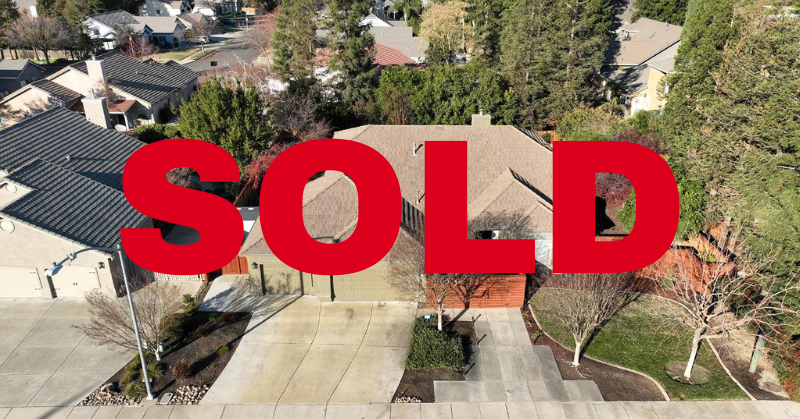
SOLD – 1800 W Glenwood Ave, Turlock

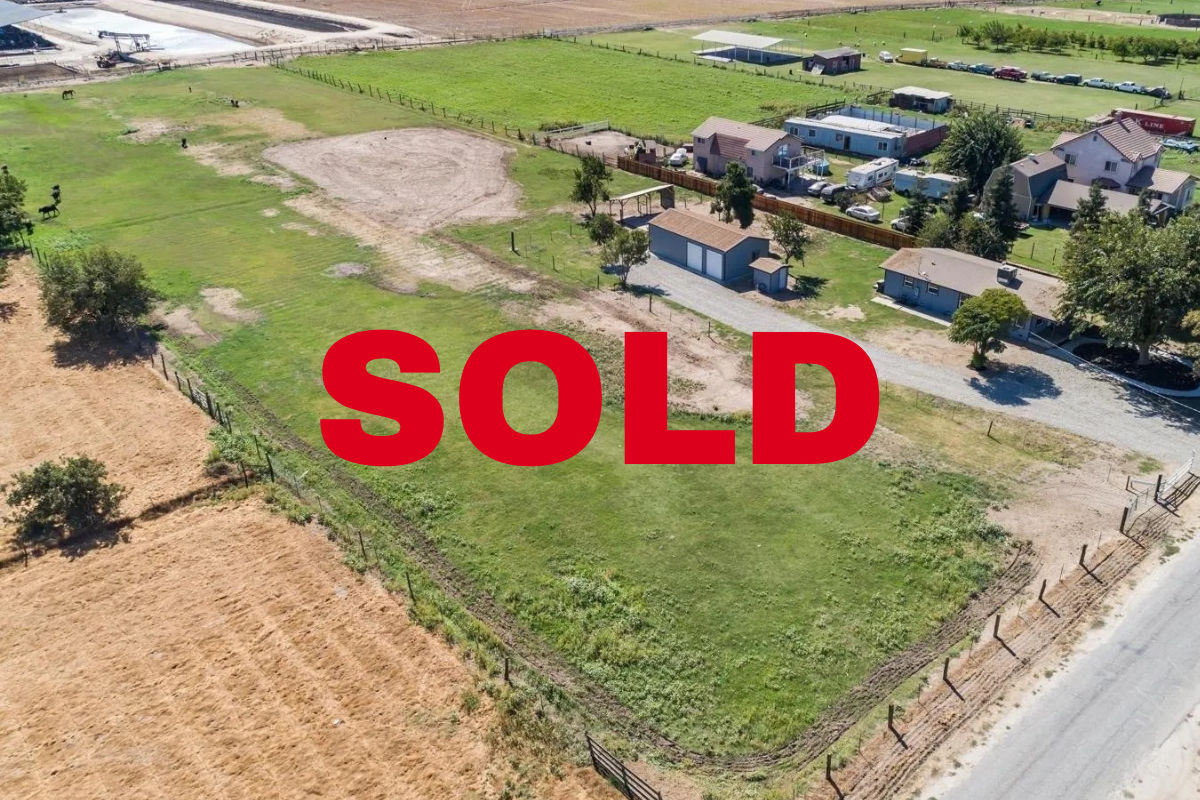
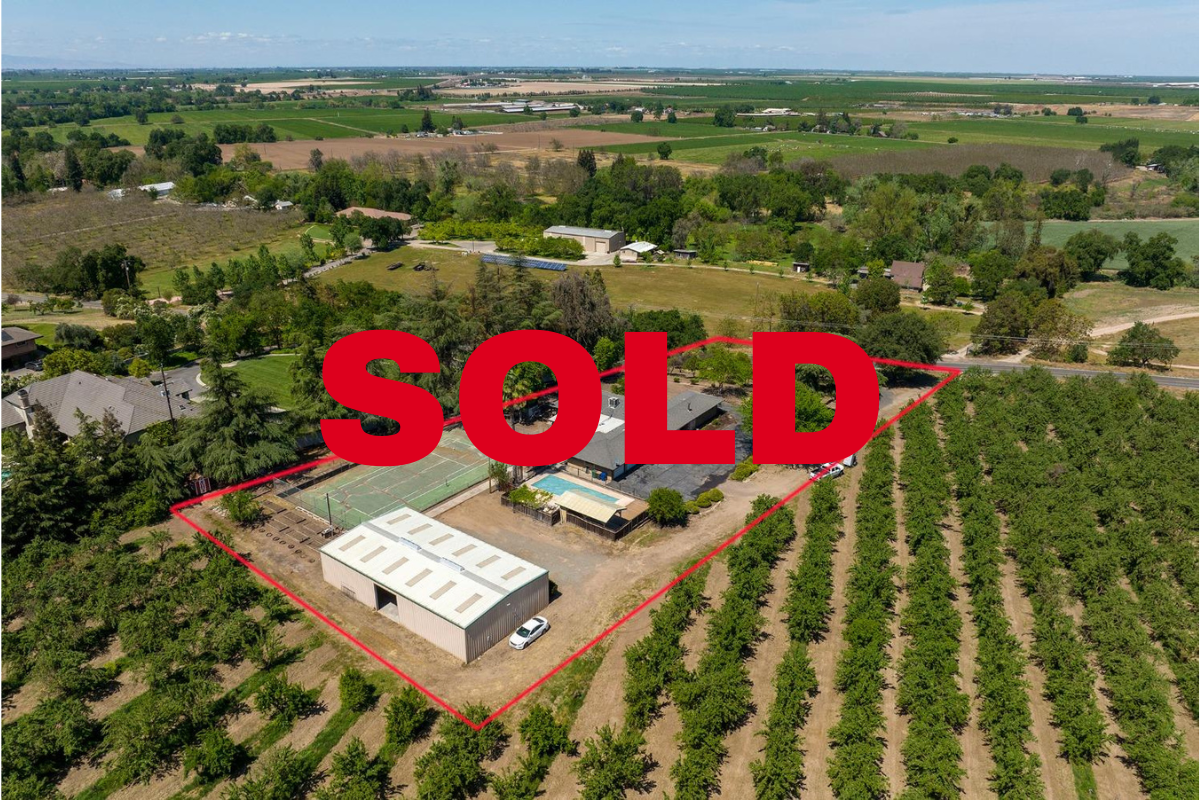
SOLD 9321 Meadow Dr. Winton

Ranchette-3.7 acres. Stunning 3 bedroom/2 bath home with detached 20×40 garage with 9 ft doors. Fully remodeled. The kitchen features new cabinets, stainless appliances, and quartz counters. The list is long – all new flooring, plumbing, electrical, windows, doors, fixtures, and interior/exterior paint. Both bathrooms have been updated. Indoor laundry, new pump house, and fenced pasture. This is a Beautiful home. Enjoy the country life, close to town. Rare opportunity you don’t want to miss!

SOLD -1955 E Tuolumne Rd. Turlock

SOLD 1955 E Tuolumne Rd. Turlock
Charming Single Story in Turlock… Custom Home! Approx. 2357sf with 4  and Office/Media Room. An Eye Catcher, from the time you open the door to Paint Colors, Commercial Floors, Private Backyard, and more. Completely Remodeled with New Kitchen, Bathrooms, with Designer Touches throughout. Great Home with High Ceilings and Large Entertaining Rooms. Custom Kitchen with Island. Has New Cabinetry, New Commercial Appliances, Leathered Granite, and an Adorable Appliances Center. Remodeled Bathrooms including a Completely renovated Walk-in Master Shower. Outdoor Living Spaces under the Patio or Off the Formal Dining…Private Backyard with Brand New Fences. 3 Car Garage with Drive Through, Tool Shed, and Possible Boat Access. Inside the Laundry, Lots of Storage throughout including a large Master Closet. Custom in-Wall Fireplace for heating the Family Area. New LED Lights and Fixtures throughout.

SOLD – 9321 Meadow Dr. Winton Ranchette

SOLD 9321 Meadow Dr. Winton

9321 Meadow Drive Winton, CA, 95388 Custom Ranchette!! Shop, Tennis Court, Pool…This Newly Remodeled Home is over 3500sf with a Newer Kitchen, Floors, Roof, HVAC, Bathrooms, and More. This Beautiful One-story Home is Secluded and Nestled in a Park-like Setting. Lots of trees surround this property offering Privacy with Special Views. Metal Shop (80×40) with 4 roll-up doors, Insulated, and Alarm. Nice, Elevated Pool Area this’s Perfect for Family Fun and Entertaining. Large Tennis court that could easily be used as a Basketball Court. Great Kitchen with New Cabinetry, SS Appliances, New Counter Tops, and more. Large Living room and Space. Huge Laundry/Mud Room. Master Suite has a Huge Walk-in Closet and a Newly Done Master Bathroom. This 4 bedroom, 3 Bath Home is Ready for Your Family. An Organic, Private Garden area with lots of Fruit trees. A Must See!! This has it All!!!

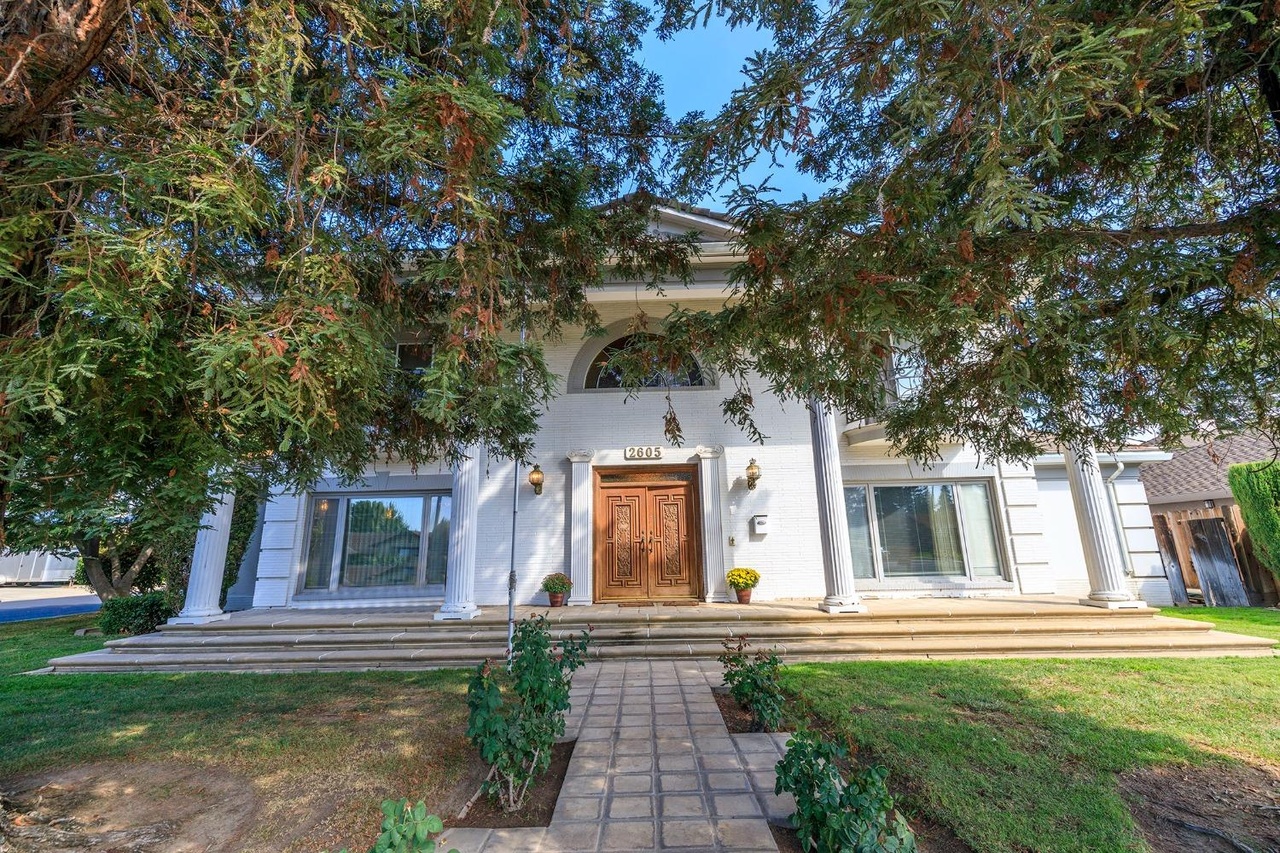
2605 E Hawkeye Ave. Turlock, 4 bed/4 bath/4,161sqft/0.24acre lot

2605 E Hawkeye Ave. Turlock

This slideshow requires JavaScript.


$749,900 – One of a Kind…Hawkeye Dream Home!! Located in El Dorado Estates with Over 4100sf, built by a contractor for their interests. Lots of Details and Custom Features Throughout, Solid Construction. 4 Bedrooms with the Master Bedroom Downstairs. The Remaining Bedrooms, Junior Suite, are Upstairs with Loft, Balcony, and Sitting Areas. Massive Floor Plan with Large Areas To Dine, Entertain, and Living Spaces. Large Fireplace in the Family Area with Wet Bar that Overlooks the large Decking Area and the Private Backyard. Large, Master-pieced of an Entry Way. The kitchen is ready for your transformation with lots of Cabinetry, Pantry, dining Bar, and a Nook. This Home has 4 Full Baths, a Large Laundry Room, and a 3 car Garage. Corner lot for appearances and curb appeal. A Must See!!

Property Features

Bedrooms

  • Bedrooms: 4
  • Primary Bedroom Features: Ground Floor, Outside Access, Walk-In Closet 2+, Sitting Area

Appliances

  • Equipment: Built-In Electric Oven, Dishwasher, Disposal, Electric Cook Top
  • Laundry Facilities: Cabinets

Other Rooms

  • Great Room
  • Living Room Features: Great Room

Heating and Cooling

  • Cooling Features: Ceiling Fan(s), Central
  • Fireplace Features: Family Room
  • Heating Features: Central
  • Number of Fireplaces: 1

Bathrooms

  • Full Bathrooms: 4
  • Primary Bathroom Features: Shower Stall(s), Double Sinks
  • Bathroom 1 Features: Double Sinks, Tile, Tub w/Shower Over

Interior Features

  • Interior Amenities: Main Level: Living Room, Dining Room, Family Room, Master Bedroom, Full Bath(s), Garage, Kitchen
  • Flooring: Carpet, Parquet

Kitchen and Dining

  • Dining Room Description: Dining/Family Combo
  • Kitchen Features: Butlers Pantry, Pantry Closet

Land Info

  • Lot Description: Auto Sprinkler F&R, Shape Regular
  • Lot Size Acres: 0.24
  • Lot Size Dimensions: Approx 10, 454sf lot
  • Lot Size Square Feet: 10454

Garage and Parking

  • Garage Spaces: 3
  • Garage Description: Garage Door Opener, Garage Facing Side

Exterior and Lot Features

  • Road Responsibility: Public Maintained Road

Homeowners Association

  • Association: No
  • Calculated Total Monthly Association Fees: 0

School Information

  • School District: Stanislaus

Other Property Info

  • Source Listing Status: Active
  • County: Stanislaus
  • Cross Street: El Dorado Way
  • Directions: Highway 99 to Fulkerth-East. Fulkerth turns into Hawkeye. On Hawkeye between Quincy and Daubenberger.
  • Source Property Type: Single Family Residence
  • Area: Turlock NE, No of Canal, E of Ge
  • Source Neighborhood: 20302
  • Parcel Number: 073-023-036-000
  • Postal Code Plus 4: 2950
  • Zoning: RES
  • Property Subtype: Custom
  • Source System Name: C2C

Utilities

  • Electric: 220 Volts
  • Sewer: In & Connected to Public Sewer
  • Public
  • Water Source: Public

Building and Construction

  • Year Built: 1982
  • Construction Materials: Frame
  • Direction Faces: South
  • Foundation Details: Raised
  • Levels: Two
  • Living Area Source: Assessor Auto-Fill
  • Property Age: 41
  • Roof: Roof Description: Tile
  • Levels or Stories: 2
  • House Style: Cape Cod, Vintage

Home Features

  • Other Equipment: Intercom
  • Security Features: Carbon Mon Detector, Double Strapped Water Heater

1422 Via Fraga, Gustine, 7 bed/4 bath/3,284sqft/7,414sqft lot

This slideshow requires JavaScript.

$497,000 – Gustine’s Borrelli Ranch home with In-Law Quarters. Approx. 3284sf with 7 bed/4bath home with many Possibilities. The Back Attached living Space is 2 bedrooms & 1 bath which was added in 2004. Would make excellent in-laws quarters. Solar that is leased. Large Entertaining Living Spaces with High Ceilings. Big Master Suite upstairs. 3-Car Garage. Could Make a Wonderful Family Home! Big Corner Lot with a BIG house.

Property Features

Bedrooms

  • Bedrooms: 7

Appliances

  • Equipment: Free Standing Gas Range, Dishwasher, Disposal
  • Laundry Facilities: Inside Room

Heating and Cooling

  • Cooling Features: Ceiling Fan(s), Central
  • Fireplace Features: Family Room
  • Heating Features: Central
  • Number of Fireplaces: 1

Bathrooms

  • Full Bathrooms: 4
  • Primary Bathroom Features: Closet, Shower Stall(s), Double Sinks, Tub
  • Bathroom 1 Features: Tub w/Shower Over

Interior Features

  • Interior Amenities: Lower Level: Bedroom(s), Living Room, Family Room, Retreat, Main Level: Bedroom(s), Living Room, Family Room, Garage, Retreat, Kitchen, Upper Level: Bedroom(s), Master Bedroom
  • Flooring: Tile

Kitchen and Dining

  • Dining Room Description: Dining/Family Combo
  • Kitchen Features: Kitchen/Family Combo, Tile Counter

Other Rooms

  • Family Room Features: Great Room
  • Living Room Features: Cathedral/Vaulted

Land Info

  • Lot Size Acres: 0.1702
  • Lot Size Dimensions: Approx. 7413sf
  • Lot Size Square Feet: 7414

Garage and Parking

  • Garage Spaces: 3
  • Garage Description: Garage Door Opener, Garage Facing Front

Home Features

  • View: City
  • Security Features: Carbon Mon Detector, Double Strapped Water Heater

Homeowners Association

  • Association: No
  • Calculated Total Monthly Association Fees: 0

School Information

  • School District: Merced

Other Property Info

  • Source Listing Status: Active
  • County: Merced
  • Cross Street: Via Jodi
  • Directions: Highway 33 to Jensen Place. Right or East on Via Del Pettorut. Wraps into Via Jodi. On the Corner of Via Jodi and Via Fraga.
  • Source Property Type: Single Family Residence
  • Area: Gustine
  • Source Neighborhood: 20413
  • Parcel Number: 063-373-021-000
  • Postal Code Plus 4: 1363
  • Zoning: RES
  • Property Subtype: Detached
  • Source System Name: C2C

Utilities

  • Electric: 220 Volts
  • Sewer: In & Connected
  • Cable Available
  • Public
  • Solar
  • Water Source: Public

Building and Construction

  • Year Built: 1999
  • Construction Materials: Stucco, Wood
  • Direction Faces: North
  • Foundation Details: Concrete
  • Levels: Multi/Split
  • Living Area Source: Assessor Agent-Fill
  • Property Age: 24
  • Roof: Roof Description: Tile
  • Levels or Stories: 2
  • House Style: A-Frame, Contemporary

Negotiate, counter or accept: Get the most when selling your home

Home Sale Negotiation

You’ve received an offer on your house. Great! Now what? You might feel so excited that you jump at the first offer you see, but there are some smart reasons to be thoughtful before accepting an offer.

It’s important to negotiate house offers to earn the best price and terms on the sale. Here are some insights you can use to accept the champion offer on your home.

    • What to consider when selling your home
    • How to approach a counter-offer
    • Negotiating a house offer or multiple offers
    • Accepting an offer on your house (and the steps that come after)

What should I do when I receive an offer on my house?

If you’ve hired a REALTOR® to represent you during the home sale process, they will receive all offers on your home from agents representing the hopeful buyer(s). Once an offer is made, your Realtor will present you with the information from the buyer’s agent. The offer details typically include:

    • A purchase agreement. This will become the binding sales contract if the offer is accepted.
    • Proposed terms of the deal, like purchase price and whether the deal is contingent on a mortgage approval (vs. an all-cash offer).
    • Proposed closing date.
    • Amount for earnest money deposit, which is monetary collateral the buyer puts down to show they’re serious about the purchase.
    • Provisions regarding title and inspections.
    • Contingencies, including home inspection or sale of the buyer’s home.

Together with your agent, you’ll review the details of the offer to determine if the terms are acceptable. From this point you can either accept, negotiate or decline the offer.

How long do home sellers have to consider an offer?

The answer to this actually depends on if you are making an offer on a home in Minnesota or in Wisconsin.

In Minnesota, there is no standard deadline to respond to an offer — and it’s pretty uncommon for a buyer to stipulate one. In Wisconsin, on the other hand, buyers are required to put a deadline on the offer. If the offer expires without a response from the seller, the buyer is free to walk away and make offers on other properties.

Should a seller ever accept the first offer?

Accepting the first offer can be advantageous for some sellers. Here are a few reasons why you may accept the first offer on your for-sale home:

    • The monetary offer and terms are acceptable to you, or beyond what you were expecting.
    • The buyer has proposed a timeline that works well for you.
    • The buyer has waived contingencies, making for a smoother path to the closing table.
    • The buyer has an all-cash offer and will not have to finance the purchase.
    • You don’t want to deal with additional showings or open houses.
    • You don’t think you’ll get a better offer from anyone else.

Keep in mind that you could drive yourself crazy wondering if you left money on the table by accepting an early or first offer. It’s important to talk with your Realtor early on about your ultimate goals for selling before you list the home. That way, when the right offer comes in — either after one day or one month — you will be ready to confidently accept it.

When can I decline an offer?

Before rejecting an offer outright, be sure to discuss the decision with your Realtor. If you feel as though a buyer will never compromise to meet in the middle, it may be time to reject an offer.

However, it’s very important to keep in mind that if you reject an offer, your reasoning must be based on the terms of the purchase agreement. You cannot, under any circumstances, discriminate against buyers based on race, religion, ethnic group or other factors not related to the terms of the purchase agreement.

What is a counter-offer and how do I make one?

If you receive an offer on your home that isn’t quite aligned with your goals, you may make a counter-offer. In a counter-offer, you are implying that you will accept the buyer’s offer, subject to one or more requested changes.

Respond with a counter-offer

A common tactic for sellers is to respond to a low bid with a counter-offer for the original list price. This shows potential buyers that the list price is what the seller intends to get for the property, and that it wasn’t a high-ball posting. A seller may also find other terms of the offer unacceptable and could make a counter-offer to remove those terms.

If the buyer agrees to your price or terms and signs the counter-offer, you’ve got a deal! Contrarily, the buyer could also submit their own counter-offer in response to yours, and the negotiation process would continue.

Leverage an expert’s advice

Navigating offers and counter-offers is a high-stakes game, and the process can be stressful and confusing as a result. Remember, your Realtor has deep market expertise and a history of negotiating the best deal for their clients, and you can lean on them heavily during this time — and rest assured that you’ll walk away with the best possible offer.

What if I receive multiple offers?

It’s possible that you’ll receive multiple offers on your home. In fact, some home sellers actually try to attract multiple offers with the hopes of being able to choose the best bid for the final property sale.

When facing multiple offers, you’re at a clear advantage — so sit back and determine the best purchase price and terms for you. Here are a few ways to react when you receive multiple offers:

    • Review all bids and choose one. Go through all offers on the home, keeping in mind that you may want to look at more than just the price. To find the best bid, you’ll also want to consider the all-around terms of the offer. You may find that one standout offer is too good to resist and decide to accept it.
    • Ask for a final offer. If the bids are close together, or you believe you can negotiate an even better price or terms, you can request for some or all buyers to submit their best and final offers.
    • Counter-offer. Rather than asking buyers for their best offer, you could also submit a counter-offer to a buyer who is close to your desired price or closing time, but not quite there.

Whether you find a winning bid after the first set of offers, or have to negotiate to get the offer you’ve been waiting for, you’ll find that your Realtor will be an invaluable asset during this process.

What do experts do to negotiate a better selling price?

The easiest way to negotiate as a seller is to make a counter-offer in response to single or multiple offers, then simply wait to see if the counter is accepted. But risk-takers may prefer to go the route of asking for blind “best” offer — after all, an eager buyer may go even beyond the sale price or terms you had in mind.

Remember, though, there is more to a home sale than just price. By thinking about considerations that go beyond the ticket price, you may end up with a sale that really works in your favor. For example, you may prefer to:

    • Request no contingencies from your buyer.
    • Ask for a faster, or slower, timeline to closing — depending on your preferred moving schedule.
    • Choose a buyer who agrees to pay all their own closing costs.
    • Put an expiration date on your counter-offer so you get a fast, final answer from buyers.

Do sellers ever reject offers for the asking price of a home?

Price is just one element of a contract, so it’s certainly possible for a seller to view a list-price offer and still reject it based on other conditions stated within the offer.

When the market (or market-segment such as a certain price point) favors sellers, you may hear about multiple offers driving prices up so that sellers receive even more than their original asking price. In a market that favors sellers, some may hope to earn more than their listing price at closing — and as a result, they may be inclined to reject their initial listing price from a buyer.

We recommend pricing your home so that you’d be pleased with a list price offer and view anything above it as a bonus. That way, you don’t set yourself up for disappointment, and you don’t irk buyers who are working in good faith to get approved for list-price offers.

What are the steps after accepting an offer?

Now, it’s on to the closing table. Your agent will help you complete the steps to closing on your home, which include:

  • Monitoring the buyer’s loan approval and title process
  • Negotiating any issues that arise prior to closing
  • Selecting a closing date
  • Finalizing any payments or negotiations you’ve made to the buyer, including any agreements you made to pay for home repairs or closing cost incentives

You’ll also want to begin packing up your home, because moving day will come faster than you realize!

Ready to get started?

Now that you’re a pro negotiator and know how to identify an offer worth accepting, are you ready to get the home sale process started? Call Clarence Oliveira with any questions – (209) 988-5254

Source: edinarealty.com ~ Image: Canva Pro

How to Get a Mortgage

Not sure how to get a loan for a house? Here’s a step-by-step guide.

Getting a home loan isn’t just a big step, it’s an entire staircase — and it can take a long time to reach the top. There are times when the climb will feel dizzying, but knowing how to get a mortgage before you start can help you stay organized and feel more in control.

Ready to learn what it takes? Here’s how to get a mortgage, step by step.

1. Give yourself a financial checkup

Before you set off to get a mortgage, make sure you’re financially prepared for homeownership. Do you have a lot of debt? Do you have enough saved for a down payment? What about closing costs?

A home is a major purchase — maybe the biggest one you’ll ever make — so it’s no surprise that lenders really dig into borrowers’ finances before handing out house loans. If you’ve got substantial debt or don’t have much of a credit history, you may want to improve your financial health before applying for a mortgage.

A thorough understanding of your income and debts will help you know exactly how much house you can afford.

Additionally, know that lenders look closely at your credit score when determining your eligibility for a mortgage. The interest rate you’ll be offered depends heavily on your credit score.

Check your credit score, and if it needs work, build up your credit before you begin applying for a home loan. That can include paying down outstanding debt, disputing errors on your credit reports, and not opening any new accounts.

2. Identify the right mortgage

There are many types of house loans available. The one that’s best for you will depend on your financial situation and homeownership priorities. Here are some of the loan options you can consider:

Conventional or government-backed?

  • Conventional loans have stricter qualification requirements because they aren’t insured by the government, so they’re a better fit for borrowers with strong credit. The application process may have fewer hurdles than that for government-backed loans.

  • FHA loans are insured by the Federal Housing Administration. These loans can have more lenient credit score minimums and allow the use of gift money as part of the down payment.

  • VA loans are only available to active service members or veterans, and they’re backed by the Department of Veterans Affairs. These loans often require no down payment.

  • USDA loans are a program of the U.S. Department of Agriculture. These zero-down-payment home loans are for lower-income borrowers who live in rural areas.

  • Jumbo loans are conventional loans for properties that exceed conforming loan limits. They offer a way to buy homes in more expensive areas.

Fixed or adjustable rate?

  • Fixed-rate mortgages are popular because the mortgage interest rate doesn’t change over the life of the loan. The rate to which you initially agree will be the rate you keep until you sell the home or refinance.

  • Adjustable-rate mortgages have low introductory rates that start out fixed but can then fluctuate. If you don’t plan to stay in the home long, an adjustable-rate mortgage could yield savings.

Mortgage term?

  • A 30-year mortgage is the most common term. Monthly payments are generally smaller, but you’ll pay more interest overall than you would with a shorter-term loan.

  • Shorter term house loans, like 10- or 15-year mortgages, are also available. You pay less interest, but monthly payments can be steep. Lenders may offer other options, such as 20-year mortgages, that fall somewhere in between.

Down payment?

  • Some conventional loans can allow for a down payment as low as 3%, but if your down payment is less than 20%, you’ll also probably have to pay for private mortgage insurance, or PMI. This monthly expense is typical on low-down-payment mortgages to protect lenders in case the borrower fails to repay their loan. Once you get up to 20% equity in the home, you can take steps to cancel your PMI.

  • Some government-backed home loans do not require a down payment, while others let you make lower down payments. Depending on the type of loan and the amount of your down payment, you’ll have different requirements for mortgage insurance.

3. Research mortgage lenders

Look at multiple home loan lenders to find the one for you. There’s a wide array of lenders to consider, including traditional banks, online non-bank lenders, and credit unions. Consider starting with your own bank or credit union. Some offer lower interest rates for existing customers.

If you’re looking for a particular type of mortgage, you may want to zero in on specialty lenders. For example, if you know you want a VA loan, a lender that focuses on working with military borrowers may best fit your needs.

No matter what kind of loan you’re seeking, you’ll want to consider:

  • How do you prefer to communicate with the lender? Do you want an in-person experience, or are you comfortable with phone calls, emails or even texts?

  • Whether any sample rates you’re shown include points. These fees are interest that’s paid upfront, lowering the rate.

  • What the minimum qualifications are. For example, knowing a lender’s minimum credit score or down payment can help you determine if you’re ready to apply for pre-approval.

  • Whether the lender offers any unique programs that would fit your needs (for example, down payment assistance for first-time home buyers).

4. Get preapproved for a home loan

There are a couple of big advantages to getting a mortgage pre-approval. One, it shows sellers that you can make a solid offer up to a specific price. Two, it helps you figure out what your mortgage will really cost since you’ll get details on the rate, APR, fees, and other closing costs.

It’s smart to get preapproved by at least three lenders. Hey, you’ve already gone to the trouble of digging up all those preapproval documents — and comparing rates could potentially save thousands of dollars over the life of the loan. Plus, if you get all the preapprovals within a short period of time (30 days is safe), it only counts as one hard inquiry on your credit report.

5. Submit your application

Even if you’ve been preapproved, you’ll have to submit your most recent financial information when you formally apply for a home loan. This can include:

  • W-2 forms from the past two years.
  • Pay stubs from the past 30 days.
  • Federal tax returns from the past two years.
  • Proof of other sources of income.
  • Recent bank statements.
  • Details on long-term debts such as a car or student loans.
  • ID and Social Security number.
  • Documentation of sources for recent deposits in your bank accounts.
  • Documentation of any gifts or other funds used for your down payment.

There may be other kinds of documentation required, depending on the type of mortgage you’re getting.

Within three days of receiving your application, your lender will give you an initial loan estimate, which includes:

  • How much the loan will cost?

  • Associated fees and closing costs, including information on which costs you can shop for.

  • Interest rate and APR, or the annual cost a borrower pays for a loan, including certain fees, such as discount points.

Now that you know your interest rate, you can decide whether to buy discount points. These are upfront fee that lowers your rate by essentially prepaying interest. (If you opt to buy points, they’re included in your closing costs.) Points can be a good option if you plan on staying in your home for at least seven years.

6. Begin the underwriting process

Underwriting can be the most nerve-racking part of getting a mortgage, even if you’ve been preapproved. It’s more waiting, this time to get officially approved for the loan. You may also find yourself working with an underwriter rather than the loan officer who’s helped you up until this point.

During the underwriting process, the lender determines whether you’re eligible for the loan. Factors evaluated include:

The lender will take a look at your updated credit report and order a home appraisal. An appraisal tells the lender the market value of the home, since they won’t lend you more than the home is truly worth.

Meanwhile, you will schedule a home inspection, which will look for any defects in the home. Depending on how it goes, you may want to negotiate with the seller for repairs or a lower price before closing.

During the underwriting process, you’ll want to avoid making changes to your finances, such as switching jobs or taking out another line of credit. The same goes for large purchases that increase your debt, such as buying a car. Increasing your debt can lower your credit score, which could make the loan costlier — or even jeopardize your qualification.

Getting ready to buy a home? We’ll find you a highly-rated lender in just a few minutes.

7. Prepare for closing

Finally, your loan is approved! But you’ve got a few more steps to take before the process is complete.

  • Purchase homeowners insurance. Your lender will require you to do this. Shop around for the best policies.

  • Buy a lender’s title insurance policy. And while it’s not required, it’s wise to also purchase owner’s title insurance. Both policies offer protection in case there are problems with the title to the property down the road.

  • Do a final walk-through of the home. Make sure nothing has changed — and any agreed-upon repairs have been made — since the home inspection.

  • Review your updated loan estimate and closing disclosure. You’ll get this three days before the scheduled closing date. Compare these new documents to what you got when you were initially approved, so you can see if and how any costs have changed unexpectedly.

  • Get funds for your cash to close. Depending on what your lender requires, you may need a cashier’s check from your bank or a wire transfer to pay the final closing costs. Typically, you’ll pay between 2% and 5% of the home’s purchase price in closing costs. You can estimate your expenses using a closing costs calculator.

8. Close on the home

You’re almost done!

If you start having serious second thoughts at this point, you can still walk away. However, you might lose your deposit — also called earnest money — if you decide not to close.

Don’t be afraid to ask questions of your lender. Getting a mortgage comes with a lot of paperwork. Take the time to understand it all. Know what you’re signing and what you’re paying.

Your state’s laws will determine who’s present at closing. These people may include:

  • Your mortgage broker.
  • Your real estate agent.
  • Your attorney.
  • The seller’s attorney.
  • A title company representative.
  • The seller and the seller’s agent.

And that’s it — you made it to the top, and the loan is yours. It’s finally time to move into your new home!

Source:  keepingcurrentmatters.com ~ Image: keepingcurrentmatters.com

SOLD – 3400 Sullivan Ct. Apt. 272, Modesto

SOLD
Welcome to The Orchards… This gated community is a condo featuring 2-bd/2-ba w/fireplace, patio area & inside laundry, covered carport parking, and nearby guest parking. Newly updated with all new flooring and paint, bathroom, and kitchen! Close to shopping, many restaurants, and easy access to Highway 99. For your enjoyment, The Orchards amenities include a swimming pool, tennis court, clubhouse, sauna, and fitness room. Set up your viewing of this great condo as soon as you can!!