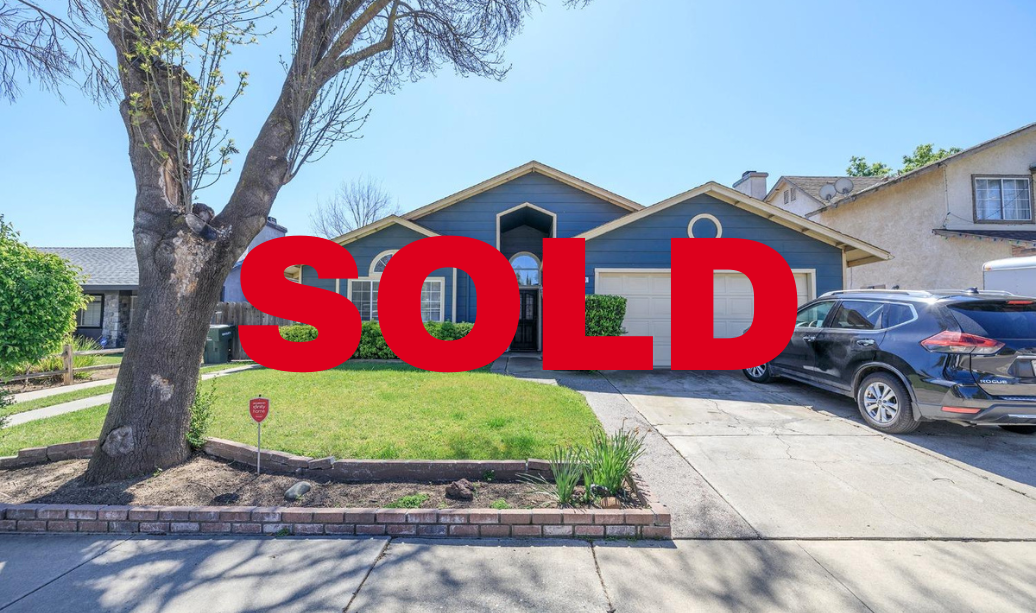
Mobile Home that’s Turnkey and Ready to Move into! Approx. 1344sf with 2 Bedrooms and 2 Full Baths. Located near the Park of the Clubhouse with Pool and BBQ amenities. Laminate floors throughout. Carport for Two Cars. Close to Schools and Highway Access.
Negotiation Process of Selling a Home
The negotiation process can be one of the most exciting parts of selling a home, but until you get there, you may be wringing your hands, worried that you won’t be able to secure the deal. Will you be deluged with offers, or will your home be pervaded by the lulling but ever-so-unnerving sound of crickets?
And if you do get just one or two offers, and they’re not as high as you’d hoped, what do you do?
Here’s how to navigate the real estate negotiation process and come to a deal that will make you happy. More than happy, even.
Getting those offers in
If you’re not in a rush to sell your house, it may make sense to see what offers roll in over a few months. But if you need to sell quickly (or just don’t want to wait), your real estate agent (here’s how to find a real estate agent in your area) might be able to push things along by setting a deadline—usually within a week or two of listing.
“When you expect multiple offers because your price is competitive or your home is in a popular neighborhood, you should always set a deadline,” says Cathy Baumbusch, a real estate agent with Re/Max Executives in Arlington, VA.
But you’ll need to be confident that your home is priced right, relative to its appeal. If all goes well, you can sell for over asking.
The negotiation process begins
Once you have an offer in hand, you’re probably scanning for one thing: the price.
“In our area, houses rarely sell for less than 90% to 95% of the asking price,” Baumbusch says. The offers on your home may fall in that range, but don’t rely on price alone. According to Baumbusch, every offer has five important components:
-
- Price
- Closing assistance
- Closing date
- Buyer financing
- Contingencies
Some offers may seem great on the surface, but significantly less so once you dig in. For instance: Is the buyer asking for closing assistance? Often first-time buyers don’t have enough money to cover the down payment and the closing costs, so they’ll ask the seller to foot some of the bill—about 2% to 3% of the total closing costs is a common request. If you agree, any assistance you give will lower your bottom line, so factor this amount into the asking price.
The buyer’s time frame to close may not seem like a big deal on the surface, but it can actually matter a lot, especially if you give the buyer a long leash. If the deal falls through, you’ll have to put the house back on the market and wait for more offers. On the other hand, if the buyer wants to move in right away, you might be left scrambling (and, quite possibly, temporarily homeless). Make sure the timing works for you.
Good so far? Now make sure the buyer has financing. Hopefully, the buyer’s agent included a note verifying the buyer’s financing and how much the buyer will put toward the down payment and earnest money. The last thing you want is to accept an offer, only to find out afterward that the buyer can’t come up with the necessary cash.
Finally, look over contingencies, which give the buyer the option to back out of the deal if something goes wrong. The buyer may say the final sale is contingent on a home inspection, or he may want to move in early. Both requests are fairly standard and acceptable. But keep an eye out for buyers asking for too much. For example, “it would be over the line for a buyer to ask a seller to wait more than 30 to 60 days for the property to go under contract,” Baumbusch says.
When to counteroffer
The negotiation process doesn’t end here. You always have the option to return the buyer’s offer with a counteroffer of your own.
“You should always counter if the price is not what you are looking for, or if you can’t support the amount of closing cost help they are looking for,” Baumbusch says. But if you do, keep it reasonable. If the buyer was 15% below asking, he probably won’t go up to full asking amount. Consider being flexible with your price; you can always make it up in other ways. For example, submitting a counter with a slightly higher price and contingencies that may help you—like having the buyer waive an inspection to speed things along—might pay off in the end.
If you don’t agree with the buyer’s contingencies, consider your position first before making the next step in the negotiation process.
“If your home is in a popular area, [you] have an advantage,” Baumbusch says. Keep in mind, the buyer may not accept your counter outright. You can play “Let’s Make a Deal,” but always consider your bottom line.
Is it worth it to keep countering for a small amount of money or single contingency?
Don’t get trapped in a loop; consider the buyer’s side of things. These prospective buyers may be maxed out. To help you decide, ask your listing agent to call the buyer’s agent and hash it out it with them. Get some insight into the buyer’s state of mind, and whether they can budge.
Source: realtor.com ~ Image: Canva Pro
Should I Wait for Mortgage Rates To Come Down Before I Move?
If you’ve got a move on your mind, you may be wondering whether you should wait to sell until mortgage rates come down before you spring into action. Here’s some information that could help answer that question for you.
In the housing market, there’s a longstanding relationship between mortgage rates and buyer demand. Typically, the higher rates are, you’ll see lower buyer demand. That’s because some people who want to move will be hesitant to take on a higher mortgage rate for their next home. So, they decide to wait it out and put their plans on hold.
But when rates start to come down, things change. It goes from limited or weak demand to good or strong demand. That’s because a big portion of the buyers who sat on the sidelines when rates were higher are going to jump back in and make their moves happen. The graph below helps give you a visual of how this relationship works and where we are today:

As Lisa Sturtevant, Chief Economist for Bright MLS, explains:
“The higher rates we’re seeing now [are likely] going to lead more prospective buyers to sit out the market and wait for rates to come down.”
Why You Might Not Want To Wait
If you’re asking yourself: what does this mean for my move? Here’s the golden nugget. According to experts, mortgage rates are still projected to come down this year, just a bit later than they originally thought.
When rates come down, more people are going to get back into the market. And that means you’ll have a lot more competition from other buyers when you go to purchase your next home. That may make your move more stressful if you wait because greater demand could lead to an increase in multiple offer scenarios and prices rising faster.
But if you’re ready and able to sell now, it may be worth it to get ahead of that. You have the chance to move before the competition increases.
Bottom Line
If you’re thinking about whether you should wait for rates to come down before you move, don’t forget to factor in buyer demand. Once rates decline, competition will go up even more. If you want to get ahead of that and sell now, talk to a real estate agent.
Source: keepingcurrentmatters.com ~ Image: Canva Pro
How to Downsize Your Home Before a Move
Living in a large house is great for some families, but for others, the cost and effort of maintenance is a burden. This is especially true after your kids have grown up and moved out. If you’re overwhelmed in your current home, moving to a smaller space can be a great move both financially and mentally.
However, decluttering and downsizing can be a daunting task. Downsizing to a smaller home and need some help getting started? Follow our best tips for a stress-free move.
7 Most Effective Downsizing and Decluttering Tips
1. Take Inventory of Your Belongings
When you’re downsizing to a smaller home, you naturally won’t have as much space for all the items you’ve accumulated throughout the years. Before you start packing, you’ll need to take inventory of your belongings.
As you sort through everything, it’s important to separate aspirational items from the ones you actually need. If you come across something you haven’t used in the last year, you should probably get rid of it. And if you didn’t even know you still had an item in question, it’s definitely time to let it go. The purpose of downsizing is to simplify your life, so take only what you need with you.
Start decluttering in 3 simple steps. First, set a timeline and goals for your project. Then, create a sorting system for going through your belongings. Once you’ve decided what to keep and what to part ways with, you can purge your house of the clutter. Find more expert tips on room-by-room organizing and decluttering in our ridiculously thorough home declutter guide.

2. Sort Through Items Room-by-Room and Minimize Duplicates
As you go through your belongings, you’ll need to set up a system to stay organized. We recommend the Three-Box Method, which forces you to make a decision item-by-item. Gather three boxes or bins and label them as “Keep,” “Get Rid Of,” and “Put In Storage.”
You should keep items that are useful in your daily life. Once you’ve filled your “Keep” box in each room, you can pack it up and label it to make moving and unpacking easier.
Get rid of items that you no longer have a use for. Once you’ve defined the items you’re getting rid of in each room, you can sort them further by identifying what will be donated or passed down to family members, and what is worn or broken and should be thrown away.
Sentimental or seasonal items should be put in storage. After you complete each space, empty the “Put In Storage” box into neatly labeled storage containers.
In each space, look at which items you have multiples of and only keep your favorites, or the ones that aren’t damaged. The kitchen is typically a clutter hotspot for duplicate items, so pay extra attention when decluttering this area.
3. Create a Plan to Get Rid of Unwanted Items
Once you’ve identified which items aren’t coming with you to your new home, you have several options for getting rid of them:
- Donate or Freecycle: Give something you no longer need to someone who does. Local charities usually accept clothing, shoes, and other household items that are in good condition. You can also try posting to freecycle.org or a Facebook resale group.
- Have a Yard Sale: One person’s trash is often another person’s treasure. If you’re downsizing a lot of your belongings before the move, consider having a yard sale to make some extra cash. Furniture, toys, books, kids’ clothes, power tools, and lawn equipment are usually popular items at a garage sale.
- Rent a Dumpster: Chances are, not everything you’re getting rid of will be in good enough condition to donate or sell. Renting a dumpster is a stress-free option if you have a lot to downsize and declutter, or if you’re throwing away larger household items, like broken appliances or tattered furniture.
- Pass Down to Loved Ones: It’s difficult to declutter sentimental items you no longer have use for but that hold years of memories. If there are family heirlooms in good condition that you feel a family member or friend would enjoy, offer to give them as a gift.
4. Go Digital When Possible
Over the years, paper clutter can really add up. Make time to sort through old bills, receipts, and other documents, and recycle anything you don’t need. Store older paper files, such as taxes from the last decade, in a plastic bin. Scan any other records and receipts you may need in the future so you have a digital copy, then shred and throw them away.
Home movies, music, and photos can also be converted into digital files. This will free up a lot of valuable real estate in your living room and office without having to part with things you’d otherwise keep. In the world of endless streaming services, it’s probably not worthwhile to hang onto VHS tapes, scratched DVDs, or CDs. When in doubt, throw them out (or recycle them).
5. Make the Most of Your Storage Spaces
When you’re downsizing to a smaller home, it’s important to maximize any storage space you have. While not every home has designated storage areas like a basement, attic or garage, here are some general tips to keep in mind:
- Create built-in storage options whenever you can. Multifunctional furniture such as storage ottomans, platform beds with drawers, entertainment centers, wardrobes, bookshelves and baskets are all helpful for hiding and minimizing clutter, but traditional shelving units are always a great option too.
- Use open wall space. Floating shelves are great for displaying knickknacks around the house, as well as adding storage in your kitchen, bedroom, and bathroom.
- Take advantage of hidden storage spaces. Utilize extra areas in your new home, such as under the stairs, closets, and crawl spaces to store seasonal or sentimental items. Add floating shelves or cubbies, and stack clear plastic bins in these hidden spots to make the most of the space and easily find what you need. You can also get creative with adding storage to small bathrooms by adding over-the-door hooks, towel racks, standalone shelves and bins for under-counter storage, an over-the-toilet shelving unit and a medicine cabinet.
6. Measure Furniture and Wait to Buy New Things
You may not have enough room in your new, smaller home to fit all of your current furniture. While taking inventory of your belongings, measure your furniture to see if and how it will fit in your new space, or if you’ll need to part with any of it. It’s much easier to figure this out ahead of time, rather than moving a sectional couch into your new home to find it doesn’t fit.
For this same reason, you should also avoid buying new items until you get a sense of the space you’re working within the new home.
7. Give Yourself Plenty of Time
Part of figuring out how to downsize is figuring out when to downsize. Decluttering is a journey, so give yourself more time than you think you’ll need to plan for the move and downsize your belongings. Eliminate the stress of rushing to purge everything, and allow yourself to reflect and make rational decisions on what to downsize and declutter.
Finally, don’t be afraid to ask for help while downsizing. Recruit family and friends, or even hire a professional service to assist with clearing out your house and moving into your new home.
Source: budgetdumpster.com ~ By: Liz Kane ~ Image: Canva Pro
SOLD – 549 N Hopper Rd. Modesto
Ranchette For Horse Lovers!! Well Manicured, Groomed, and a Show-Place. 3.77 acres of MID Irrigated Pasture with Fencing, Tac room, 30×30 Workshop, and a Riding Arena. This Cute, Ranch Style home is Approx. 2034sf with 3 Bedrooms, 2 Full Baths, and a 3 Car Garage. Newer Windows, Newer Roof, Newer Paint, Newer Floors, and More. Gorgeous Family room with Wood Stove, Vaulted Ceiling with Wood Beams, and Outside access to Private Patio Deck. Inside Laundry. Updated Amenities throughout including Fixtures. Newer Stamped Concrete Driveways with Metal Front Fencing with Private Gates. A Perfect Private Setting within this Ranchette. A Must See!!
What do home inspectors look for? 6 key things
When you’re under contract on a new house, it’s easy to fall in love with its potential. But before you linger on cloud nine too long, you’ll need the reality check of a home inspection. During a home inspection, a professionally trained inspector visually and physically evaluates the entire structure, from the foundation up to the roof, looking for potential defects, safety issues, environmental issues, or other red flags.
In particularly competitive markets, some buyers consider waiving the home inspection to make their offer stand out. But think very carefully before doing so: A house is most likely the largest purchase you’ll ever make. The last thing you want to do is invest a ton of money only to find out your new home needs extensive repairs or remediation.
That’s why a home inspection is important: A good inspector can spot minor problems before they become major ones, and speak to the quality of construction and maintenance the home has been through. A home inspection helps you know as much as you can about the property before buying it, says Kenneth Carr of Precision Inspections, a licensed home inspector in New York, Connecticut, and Massachusetts. “It is part of due diligence,” Carr says. “Just as you have your attorney review the contracts, you should have your home inspector review the property, because there may be something there that you don’t have the expertise to know.”
What do home inspectors look for?
“We are looking for things that aren’t working as designed,” says Carr. “We have to describe what’s there, what may be missing, and things that are either not working as they should or not working at all, and bring it to the attention of the buyer.” Many inspectors even recommend that homebuyers attend the inspection, which allows them to see things for themselves and ask questions.
While each state provides minimum requirements that must be checked out, “how an inspector goes about inspecting the property is up to each inspector,” he says. “If you belong to an organization like ASHI [the American Society of Home Inspectors], there is greater training specialization needed, as inspectors are expected to take continuing education classes as part of their membership and state licensing.”
Here are the top six things an inspector will always look for when assessing a property.
1. Basic safety features
Whether a home is safe to live in is a primary concern for any home inspector, which is why many of the things on the home inspector’s standard checklist are safety items. Things they’re on the lookout for include:
-
- Smoke detectors: Does the home have them? Are they installed correctly and in the right places (in or near sleeping areas, not too close to the stove)?
- Ground fault interrupters: These are the special plugs that protect you from shock in areas where water and electricity are in proximity, such as bathrooms and kitchens.
- Safety glass: Are the glass features installed near stairs or water (like tubs and showers), made of tempered safety glass?
- Indoor and outdoor stairs: Are the steps a uniform, safe height and angle? Are they built to code? Do they have handrails and guardrails correctly installed and in the right places?
2. The foundation and exterior ‘envelope’
No matter how old the home is, your inspector will look at the basic “envelope” that shields the structure from weather and water. The inspector will walk the property to check for cracks in the foundation and look at rain gutters and flashings, drainage, and window seals.
He or she will also inspect how the walls and roof intersect. For example, an inspector doesn’t want to see lots of caulk there, because that usually means it’s not properly waterproofed. When done right, waterproofing is part of the home design — not something added after the fact. If signs of prior water penetration are found, he or she will also check whether the issue was fixed properly.
3. The roof
An inspector can tell if a roof was done properly by a professional, or sloppily by an amateur. They’ll want to make sure your roof is well constructed, isn’t showing signs of age or deterioration, and will protect you from the elements. They’ll also check to see that any openings — like a chimney or skylights — are properly sealed, flashed, and free of moss growth and debris.
The older the house, the more likely it is that the roof has already been resurfaced at least once, and roofs do need replacement from time to time, which can be an expensive process. As part of their inspection report, an inspector will typically provide an estimate of how many good years the roof has left before you should consider replacing it.
4. Major systems: electrical, plumbing, etc.
The inspector will check out all of your home’s most important interior systems, from electrical and plumbing to heating and air conditioning.
-
- Heating and air: How well does the heating and cooling work? Do they serve every area in the home evenly? Is there good airflow in every room? If there’s an air return, is it properly located and sized to serve the house efficiently?
- Plumbing: The inspector will check to see that the plumbing is in good shape, provides enough water to the house, and drains as it should — no one wants leaky pipes letting water into their home and causing flooding or mold problems. He or she will also ensure there is sufficient water flow and pressure. If the house uses well water, ask to have the pump and water quality checked.
- Electrical: Electricity is essential for modern life, but it can also be dangerous. An inspector will make sure that your electrical system is safe, provides enough power for the house, and is installed and grounded correctly. They’ll also check to make sure there are enough outlets and look at the electrical panel — an old or obsolete panel may become a fire hazard.
5. Ventilation
Dangerous fumes can build up in a house if appliances that run on oil or natural gas, like water heaters for example, aren’t installed and configured the right way. Proper ventilation is crucial. Many of these appliances have safety features built-in, but an inspector will make sure the safety equipment is correctly enabled.
Besides checking the water heater’s ventilation, the inspector will also check its maximum temperature to make sure your tap water can’t get hot enough to burn anyone. Additionally, he or she will make sure that clothes dryers are properly vented to catch lint and expel hot air, which helps prevent house fires and may also test for radon.
6. Signs a specialist is needed
Some areas or conditions might need further examination, often by a specific type of pro with specialized equipment. A good inspector will know when to call in the heavy hitters, and may even have a network of specialists they can refer you to.
For example, a fireplace is one feature that always gets careful evaluation. The inspector wants to see that it vents well and doesn’t have any conditions that could become a hazard, like cracks, blockages, or excessive buildup. If they see something concerning, your inspector might recommend a fireplace inspector, who will use a specialized camera to scope out the interior of the chimney and flue.
Sewers are another area that calls for extra care, especially in an older house. A septic problem hidden beneath your yard can be one of the most expensive repairs a homeowner must make. If you’re buying a home that has sewer service, consider calling in a specialist to have the whole system (from the main house to the street) video scoped or a video inspection that goes through pipes, holes, and other areas.
Source: bankrate.com ~ By: Dori Zinn & Grace Kim ~ Image: Canva Pro
SOLD – 38ac Hall Rd. Denair, Agriculture Land
Ag Land SOLD – Over 38 Acres of Raw Dirt To Build, Plant, Farm, Play, and Have Horses! East Side Water District with no current Irrigation Water, the Current Ag Well needs Repair or Replacing, and doesn’t work. Just on the Edge of Town, Surrounded by Trees, Homesites, and Ranches. The Sandy Creek runs through the property. TID Power is out on the Road.
How to buy a house in 2024
Last year may go down in real estate history as the year of correction. After a pandemic-fueled, seller-benefitting boom — with bidding wars, inventory shortages, and spiraling prices all over the country — the housing market began to cool down in 2022. The impact of inflation and fast-rising interest rates dampened buyers’ interest, causing sales to slow and price appreciation to decelerate.
All this made 2023 something of a transitional year. And now, in 2024, inflation is much lower but home prices and mortgage rates are both still high. Sellers still have an edge in many areas, thanks to a continued scarcity of houses, and no one expects a dramatic housing market crash. Still, many analysts see a shift coming toward a more balanced market, which would benefit buyers.
Whatever the economic state of the real estate market, buying a house can be an exciting and emotional process. Before starting your search, be sure you understand the ins and outs of homebuying, so you can make the best decisions for your family — and your wallet. Here’s what to know when buying a house, one step at a time.
Buying a house: A step-by-step guide
1. Determine why you want to buy a house
Purchasing a home is a major decision that shouldn’t be taken lightly. If you’re not clear on exactly what you want out of homeownership, you could end up regretting your choice.
Get started: Define your personal and financial goals. “Buyers should think about when they intend on moving and what they want in a home — amenities, ideal location, and how long it could take them to save for a down payment,” says Edwence Georges, a real estate agent with RE/MAX in Westfield, New Jersey. “These are all important to help define the goals they would like to meet.”
-
- Make a list of what’s important to you in a home. Is location the top priority? Any must-have amenities?
- Analyze whether it makes sense for you financially. Would renting for another year or two improve your financial standing?
- Be sure you’re prepared for the ongoing expenses of maintaining a home.
2. Check your credit score
Your credit score will help you determine your financing options; lenders use it (among other factors) to set the terms and rates of your loan. The higher your score, the lower the interest rate you will be eligible for — lower scores equate to more expensive mortgages.
Get started: You can get your credit report and score from each of the three major credit reporting agencies, Equifax, Experian, and TransUnion, for free once a year. Your bank or credit card company might offer free access to your score or credit report, too. If you discover any discrepancies, contact each agency and report the error.
-
- Consider how different credit score ranges impact your interest rate, monthly payments, and total interest.
- Pull your credit reports from each of the credit bureaus for free every 12 months at AnnualCreditReport.com.
- Learn other ways to get your free credit report and score.
3. Save for a down payment
To avoid having to pay private mortgage insurance or PMI, you’ll need to put down at least 20 percent of the home’s purchase price for a down payment. Some lenders offer mortgages without PMI with lower down payments but expect to pay a higher interest rate. Be sure to do your research: Many types of loans require a much lower minimum down payment, and there are many government programs to help cover down payment costs for qualified buyers. Shop around carefully based on how much you’re able to pay upfront.
Get started: Research the requirements for the loan you want so you know exactly how much you’ll need to save for a down payment. If a friend, relative, or employer has offered to provide a down payment gift, initiate a conversation early on to learn how much they plan to contribute and if there’s any shortfall you’ll need to cover — and secure a gift letter from them well in advance.
-
- Consider options backed by the federal government. If you qualify for an FHA, VA or USDA loan, your down payment minimum will be considerably lower than 20 percent.
- Conventional loans offered by Fannie Mae and Freddie Mac, meanwhile, require just 3 percent down.
- Look into local and state down payment assistance programs to see if you’re eligible for a cost-saving loan or grant.
4. Create a housing budget
The purchase price and down payment aren’t the whole picture. Setting a realistic budget for your new home will help inform how much you can afford and what your all-in costs will be.
Get started: Carefully consider other expenses to determine what you can afford long-term. “Buyers tend to forget to factor in other costs, like homeowners association fees and maintenance,” says Paige Kruger, Realtor and founder of Signal Real Estate in Jacksonville Beach, Florida. “Just because you can afford a mortgage and a down payment doesn’t mean you can afford those long-term costs after you move.”
-
- Figure out how much you can set aside for a down payment, plus a buffer fund for ongoing or unexpected maintenance costs.
- Determine the maximum loan you qualify for. Getting pre-approved can help (see Step 5).
- Analyze your monthly budget to make sure you can handle mortgage payments along with your other day-to-day bills.
5. Shop for a mortgage
Getting pre-approved for a mortgage gives you a firmer handle on how much you can afford, and it’s helpful when you make an offer on a house because it shows sellers you’re financially qualified. Once you’re ready to apply for official approval, you’re not obligated to stick with the same lender that issued your preapproval — compare the terms and rates offered by several companies.
Get started: Shop around with at least three lenders or a mortgage broker to increase your chances of getting a low-interest rate. Sign up for a Bankrate account to determine the right time to strike on your mortgage with our daily rate trends.
-
- Work with an experienced mortgage lender who can walk you through all the options and overall costs.
- If you’re a first-time homebuyer, inquire about what programs or incentives might be available to you.
6. Hire a real estate agent
An experienced real estate agent can save you time and money by helping you find the right home and negotiating with the seller on your behalf. Agents are licensed professionals who know their markets well and can guide you through your homebuying journey.
Get started: Contact several local real estate agents and talk with them about your needs before choosing one. “Someone with knowledge of an area can tell if your budget is realistic or not, depending on the features you desire in a home,” Kruger says. “They can also point you to adjacent areas in your desired neighborhood or other types of considerations to help you find a house.”
-
- Before hiring an agent, ask about their track record and knowledge of your desired neighborhood.
- Inquire about their workload as well. You don’t want someone who is over-scheduled.
- Bankrate can help match you with a qualified agent in your area.
7. Go house-hunting
Viewing listing photos online is helpful, but isn’t a substitute for visiting homes in person and getting to know the area and its amenities. In some cases, the right neighborhood might be even more important than the home itself.
Get started: Be specific with your agent about exactly what kinds of homes you want to see, so they can more effectively find options that meet your criteria. Keep an open mind: You may not be able to check off everything on your wish list, so prioritize must-haves over things that are nice to have but not crucial.
-
- Explore neighborhoods you like to see what’s for sale, and attend open houses for homes that pique your interest.
- Take notes on each property you visit — after a few, they can start to blend together in your mind.
- Keep your schedule open so you can pounce when a great home is listed, especially in a competitive market.
8. Make an offer
Understanding how to make an attractive offer on a home can help increase the chance of it being accepted, putting you one step closer to getting those coveted keys. Confer with your agent and let their expertise lead the way.
Get started: Once you find “the one,” your real estate agent will help you prepare a complete offer package, including your offer price, your preapproval letter, proof of funds for a down payment (this helps in competitive markets), and terms or contingencies.
-
- Think carefully about what contingency clauses to include in your contract. Common real estate contingencies can hinge on financing, appraisal, home inspection, and more.
- It’s not unusual for sellers to make a counteroffer. You can respond if you wish to keep negotiating, or reject it and move on.
- Once an offer is accepted, you’ll sign a purchase agreement and pay an earnest money deposit, typically 1 to 2 percent of the purchase price. The funds will be held in escrow until closing.
9. Get a home inspection
A home inspection provides an overall picture of the property’s condition and any mechanical or structural issues it might have. This will help you determine how to proceed with the closing process: If major problems are found, you might want to ask the seller for repairs — or, if there’s an inspection contingency in the contract, you might even decide to back out of the deal.
Get started: Your agent can probably recommend a home inspector, but do your homework before choosing one. Depending on your contract and what state you’re in, you’ll generally need to complete the inspection within 10 to 14 days of signing a purchase agreement.
-
- Check the inspector’s experience by reading online reviews, asking for client references, and looking at their credentials.
- To understand what is and isn’t covered, read Bankrate’s home inspection checklist.
- Fees can vary, but according to HomeAdvisor, you’ll likely pay somewhere between $281 and $403. The average is $342.
10. Negotiate repairs and credits
Your home inspection may reveal a few issues, especially if it’s an older home. Major problems might need to be dealt with before your mortgage lender will finalize your loan, and it’s common to negotiate for the seller to either pay for the repair or offer the buyer a credit to cover the cost.
Get started: Enlist your agent’s help with this — the need for repairs is not unusual, but negotiation can be delicate work and is best left to the pros. They will work with the seller’s agent to come to an agreement about repairs or credits.
-
- Hazardous problems like structural damage or improper electrical wiring could keep your lender from approving your loan, so take the solutions very seriously.
- Some sellers won’t agree to extensive repairs. That’s why a home inspection contingency is important — it gives you a way out of the deal if you need it.
11. Secure your financing
A preapproval is not the same thing as official approval. Getting final loan approval means you need to keep your finances and credit in line during the underwriting phase. Don’t open new credit lines or make any major purchases until the paperwork is signed, and avoid changing jobs before closing too, if possible.
Get started: Respond promptly to requests or questions from the lender, and double-check your loan estimate to ensure all the details are correct. You may need to submit additional paperwork as your lender completes the process, such as bank statements, tax returns or additional proof of income, so keep your paperwork organized.
-
- Being preapproved doesn’t mean you’re in the clear — that’s not the case until a lender has given your loan the final stamp of approval.
- Keep your finances and credit in good shape from preapproval until closing day.
- Avoid running up credit cards, taking out new loans or closing credit accounts too. These things can hurt your credit score or impact your debt-to-income ratio, which can imperil your final loan approval.
12. Do a final walk-through
A final walk-through is your opportunity to view the property one last time before it becomes yours. This is your last chance to address any outstanding issues before the house becomes your responsibility.
Get started: Your agent will schedule the walk-through for shortly before closing. Bring your home inspection checklist and other documents, like repair invoices and receipts, to ensure everything was done as agreed and that the home is move-in ready.
-
- Ask your agent to attend with you — they can act as a witness and help answer any questions.
- If any problems remain, have your agent communicate immediately with the seller and your lender. Your closing date might have to be delayed to ensure those issues are remedied first.
13. Close on your house
Once all contingencies have been met, you’re happy with the final walk-through and your lender has declared your loan “clear to close,” it’s finally time to make it official and close on your new home. After all of the paperwork has been signed, the home is officially yours and you’ll get the keys. Congratulations!
Get started: Three business days before your closing date, the lender will provide you with a closing disclosure that outlines your loan details, such as the monthly payment, loan type and term, interest rate, loan fees and how much money you must bring to closing. You will attend the closing along with your real estate agent, possibly the seller and their agent, and the closing agent, who may be a representative from the escrow or title company or a real estate attorney. This is also when you’ll wire your closing costs and down payment, depending on the escrow company’s procedures.
-
- When you get your closing disclosure, compare it to your loan estimate to ensure the terms are the same. Ask any questions and correct any errors before you sign the paperwork.
- On closing day, review all the documents you sign carefully, and ask for clarification on anything you don’t understand.
- Make sure you’re given all house keys, entry codes, and garage door openers before leaving the closing.
Other things to consider
Is it the right time to buy?
Traditionally, spring is the start of the homebuying season, with many listings hitting the market and activity peaking over late spring/early summer. However, your own financial readiness is more important than the time of year.
Mortgage rates recently hit highs not seen in more than 20 years. Meanwhile, strong demand for homes has pushed prices higher and frustrated many potential homebuyers. This combination of high rates and high prices has plenty of people wondering whether they should try to buy a home now, or wait for things to settle down.
The answer likely depends on your own personal circumstances more than the condition of the housing market. If you’re financially stable, you have enough in savings to cover the down payment and other expenses, your employment and income are secure, and you’re ready to stay in one place for a while, then now is a perfectly fine time to buy a house. You can always refinance if rates drop significantly. On the other hand, if your savings are tight or your credit score is less than stellar, it might make more sense to take time to build those before buying.
One thing to keep in mind: Be sure to exercise caution anytime there’s a spike in home prices. “Be careful about buying near the top of the market, especially if you want to be in the home for only a few years,” says Ken H. Johnson, a real estate economist at Florida Atlantic University and co-author of the Beracha, Hardin & Johnson Buy vs. Rent Index. If you’re looking to buy under these conditions, says Johnson, “bargain aggressively and be willing to walk away.”
What’s your local market like?
The area you’re house-hunting in has a major impact on what to brace for as a homebuyer. Each market has its own quirks to consider: For example, the taxes, cost of living, job market and housing situation in California will yield different buying conditions than in Texas or Ohio. And even within the same city, real estate is very localized — you might be surprised by how drastically market conditions can vary from one neighborhood to the next. This is why partnering with a knowledgeable local agent who understands the intricacies of their market is so important.
How prepared are you for extra costs?
The down payment is often considered the biggest homebuying expense, since it’s a large amount that the buyer has to actually pay upfront. But homeownership involves plenty of additional costs that you should be ready for. Before you even close on the purchase, you’ll need to make sure you have enough money set aside to cover closing costs. These fees will vary by state and by individual transaction, but they will almost certainly range into the thousands of dollars.
When budgeting for your monthly housing costs, factor in not only the principal and interest amounts of your mortgage payment, but also property taxes, home insurance premiums, and homeowners association fees (if applicable), plus private mortgage insurance if you’re putting down less than 20 percent. And don’t forget to set aside money for ongoing maintenance and unexpected repairs, too.
Source: bankrate.com ~ By: Jeff Ostrowski ~ Image: Canva Pro
Is Reprieve in Mortgage Rates Enough to Move Buyers?
Mortgage rates are starting to cool off after nearly hitting 7% in recent weeks. Borrowing costs have eased somewhat and housing affordability is showing signs of improvement—just in time for the spring selling season.
The 30-year fixed-rate mortgage averaged 6.74% this week, Freddie Mac reports. Over the last two weeks, rates have fallen by nearly a quarter of a percentage point. Potential home buyers are responding: Mortgage applications for a home purchase—a gauge of future homebuying activity—rose by 5% in the latest week and have been increasing over the last two weeks as rates have moved lower, the Mortgage Bankers Association reports.
For home buyers looking to purchase a $400,000 home with a 20% down payment, the estimated monthly mortgage payment at this week’s rate equates to about $2,073, says Jessica Lautz, deputy chief economist at the National Association of REALTORS®. Compared to October, when rates surged to a 7.79% average, home buyers can now save about $228 per month, she says.
Mortgage rates in the mid-6% range are encouraging more home buyers to return to the market. “Homebuying activity is showing an increase in buyer demand from last year when buyers were apprehensive of rising rates,” Lautz says. But “more housing inventory is needed to meet the demand.” House hunters are still facing multiple-offer situations as they scramble to compete for low inventory.
Home buyers will continue to watch rates carefully, as they also continue to face record-high home prices. While economists have largely predicted rates to stay in the 6.5% or 6.3% range for most of 2024, week-to-week fluctuations remain a wild card for the housing market. Plus, “despite the recent dip, mortgage rates remain high as the market contends with the pressure of sticky inflation,” says Sam Khater, Freddie Mac’s chief economist. “In this environment, there is a good possibility that rates will stay higher for a longer period of time.”
Freddie Mac reports the following national averages with mortgage rates for the week ending March 14:
- 30-year fixed-rate mortgages: averaged 6.74%, dropping from last week’s 6.88% average. Last year at this time, 30-year rates averaged 6.6%.
- 15-year fixed-rate mortgages: averaged 6.16%, falling from a 6.22% average last week. A year ago, 15-year rates averaged 5.9%.
Source: nar.realtor ~ By: Melissa Dittmann Tracey ~ Image: Canva Pro
SOLD -1010 Murphy Dr, Turlock
East Turlock Home! A Remarkable home with a Remarkable Outdoor Living Space. An Open Floor Plan with Approx 1120sf with 3 Bedrooms and 2 Full Baths. Newer Roof, Stucco, Fences, Windows, Kitchen, Garage Door, Garage Door Opener, Floors, Doors, Hardware, Cabinets, Appliances, HVAC, Bathrooms, Pergola, Trellis, Concrete, and More. Located off Canal Drive and within Walking Distance of Julien Elementary, Turlock High, and Village Fresh. A Must See!