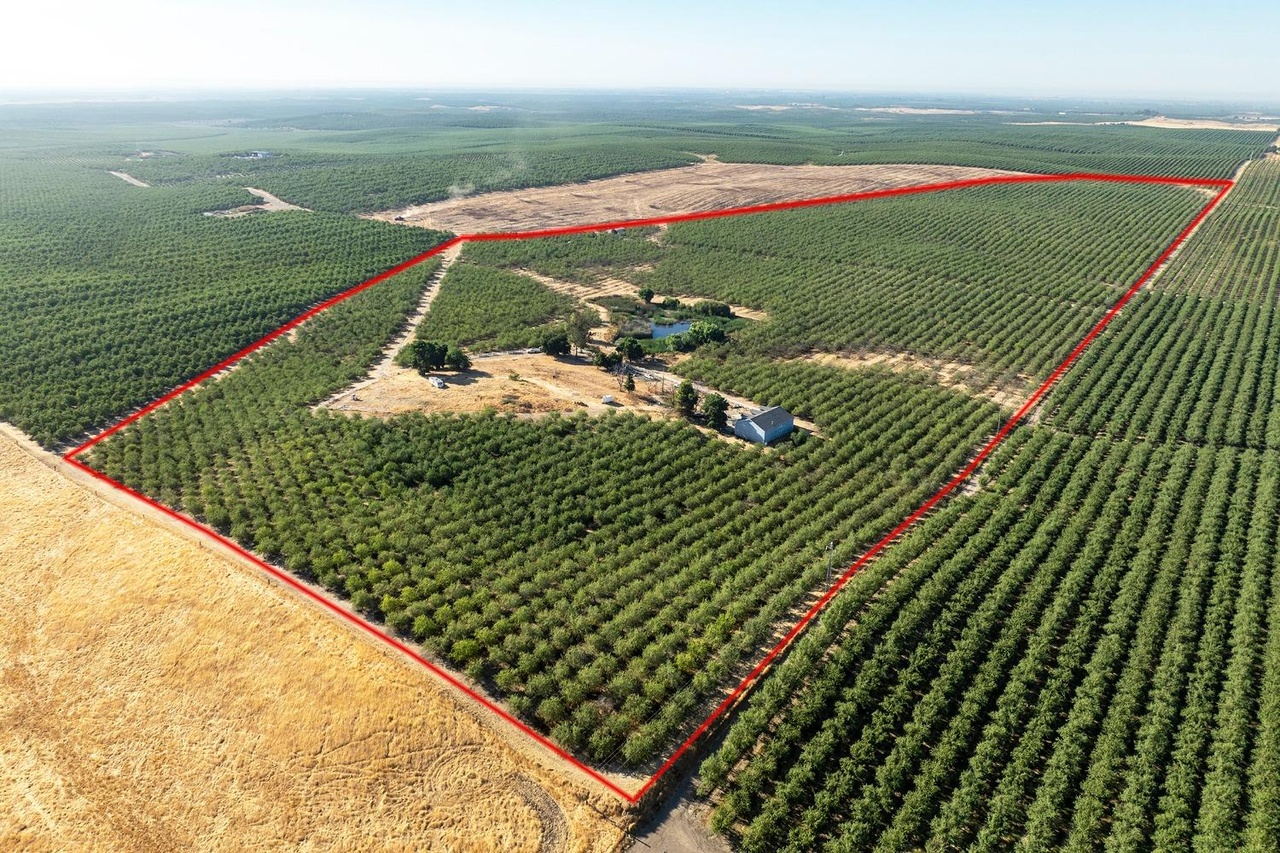
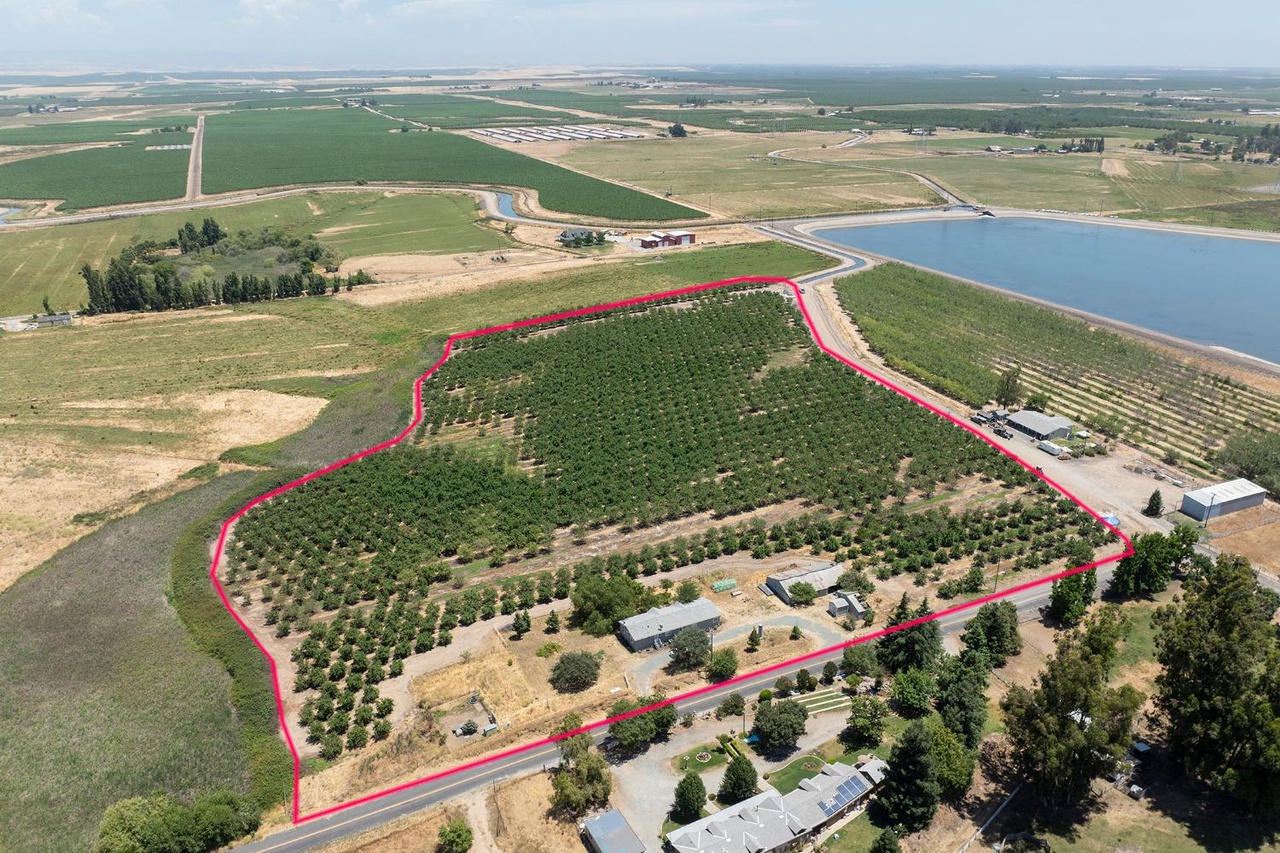
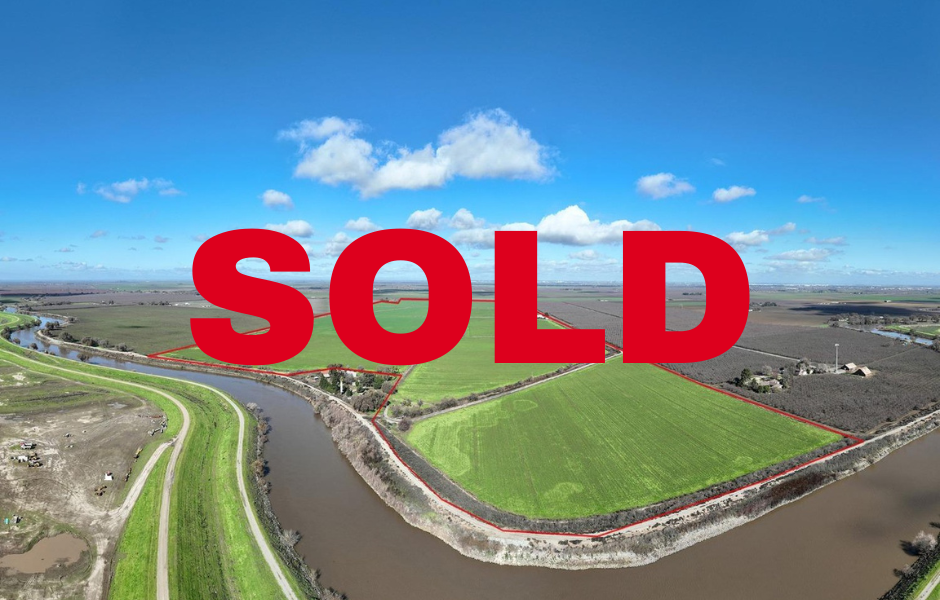
New Price – $1,200,000; 91.61 Acres of Almonds and a Hilltop-Home Site to Build your Dream Home. A Panorama Setting overlooking the Pond, the Orchard, the Landscaping, and the Sierra Foothills. Almond Trees were planted in 2011. There are Two Parcels, 2 Separate Well Systems with Micro Sprinklers, and Varieties of Nonpareil & Price. A Separate 2 bay Shop with a 1200sf studio.
Property Features
Land Info
Lot Description: Pond Seasonal
Lot Size Acres: 91.61
Lot Size Dimensions: Approx. 91.61 Acres
Topography: Rolling, Hilltop, Trees
Vegetation: Orchard
Lot Size Square Feet: 3990532
Exterior and Lot Features
Road Frontage Type: County Road
Homeowners Association
Association: No
Calculated Total Monthly Association Fees: 0
School Information
Elementary School District: Denair Unified
High School District: Denair Unified
Middle or Junior School District: Denair Unified
Rental Info
Income Includes: Crop(s)
Amenities and Community Features
Horse Amenities: Horse Amenities: 1-4 Stalls
Commercial Info
Business Type: Agricultural, Orchard
Other Property Info
Source Listing Status: Active
County: Stanislaus
Cross Street: Keyes Road
Development Status: Farm Land
Directions: Highway 99 To Keyes Road-East. Left on Silver Ridge. at the end of Silver Ridge.
The more work you do before you tell the world you have a house to sell, the faster it will likely happen.
Experts say one home improvement that can really help is a new paint job.
Key Takeaways:
You may be able to sell your house fast, but you can’t close fast. Expect that to take at least a month.
The more work you do before you tell the world you have a house to sell, the faster it will likely happen.
There are some corners you can’t cut, even if you try to sell quickly. You have to be upfront about any needed home improvements.
Some people need to sell their home, like, now. Maybe you are moving yourself, or you need money quickly. Perhaps there’s been a death in the family, a divorce, or you found your dream house, but you can’t move forward unless you sell your current home first. Whatever the reason, you’ve got to sell your home now, and there’s simply no time to upgrade, fix up the home or add curb appeal.
How do you sell your home super fast – and still get a reasonable deal?
Those two goals are sometimes incompatible. It’s also important to realize that due to the laws in your state and how your lender works, you may make a sale in a day or less, but you won’t be able to actually close on a the deal for weeks or even months – generally about 30 to 45 days, according to Rocket Mortgage. But if you’re looking to make a quick sale, here’s a roadmap.
Do a Lot of Work Beforehand
This advice doesn’t help somebody who found out yesterday they need to sell their home, and they’d like to do it today. But if you’re buying and selling a home in the same window, and you have some time before you start this game of musical houses, it will go faster and more smoothly if you can do some work beforehand.
The more prepared you are, the faster your home should sell. In theory.
Adie Kriegstein, a licensed real estate salesperson at Compass in New York City, has some suggestions for any home seller who wants to sell their home fast:
Make home improvements before you even list your home. You want your home “in the best possible condition for both marketing purposes and for those who will come to view it in person,” Kriegstein says. One home improvement that can really help is a new paint job, she says. You should consider painting the rooms white, she adds, if the walls aren’t already “naturally colored.”
Clean. Scrub everything, including the windows. “Make sure to declutter,” Kriegstein says. It’s hard for a buyer to imagine living in your house if your stuff, including your old CD collection and a pile of laundry, is everywhere.
Think about how you’re going to market your home. “You want to win the beauty contest,” Kriegstein says. She suggests hiring a professional photographer, possibly someone who can also shoot video. “In this digital age, marketing is a must,” she says. “People will start their search online, so it’s important to have a floor plan, stunning photos and a video.”
San Francisco real estate agent Ying He agrees that preparation is the best way to sell a home fast.
“All the painting, landscaping, and staging need to be finished before we go alive to best present the property,” she says. “Also, on the paperwork front, we need to make sure all the disclosures are ready to go.”
Pricing Is Vital
As insight goes, this is about as obvious as it gets. Still, you want to be smart about how you choose your price. You could slash the price of your home by 50% to try to sell it in a hurry, but your goal isn’t to sell your home fast and also go broke fast.
“You’ll need to price your property at what we refer to as the compelling price point or even slightly under that – depending on how fast you need or want to sell,” says Sabrina Conti Erangey, a real estate broker associate with Baird & Warner who is based near Chicago in Elmhurst, Illinois.
The “compelling price point,” Erangey says, “is slightly below the market value pricing but just enough to ramp up demand and drive up the sales price.”
This is the sweet spot where buyers spot a good deal, and they descend upon your home to take advantage of the deal and begin offering bids. This drives the price up, so you still end up doing well.
Timing Is Crucial
“Timing is extremely important. We don’t want to waste a single day on the market,” He says. “When it comes to timing, there are several layers. The first is seasonality. In San Francisco, the best time for sellers to go on market is actually the very beginning of the year. Spring and fall are good. Summer and winter are less ideal due to a smaller buyer pool.”
You also want to think about other factors, like holidays, the weather or an election. You can start selling your home in the dead of winter or during the rainy season, but “weather can be extremely important, especially for houses with a view,” He points out.
She suggests that the best day to have your property go live is on a Thursday to maximize weekend open house traffic.
Decide What Matters More – a Fast Sale or the Best Price?
You can sell a house fast and get an excellent price, real estate agents say. But if your house needs a lot of work and you won’t budge on selling as soon as possible, you may not get the best price. One way or another, you’ll need to bow to reality.
That includes trying to fix some of the issues with your home, Erangey says.
“In a fast sale, you want to do your due diligence as a seller and do what we refer to as a pre-listing walkthrough,” she says. “During this walkthrough, we will bring up factors that could be raised during the inspection and connect our clients with our vendors to make appropriate adjustments and changes to avoid concerning buyers.”
That might mean something simple, like digging up recent receipts showing that you had your heating, ventilation, and air-conditioning system fixed, Erangey says. If those need replacing or fixing, Erangey would encourage the seller to do that. You’ll sell your house faster and take less of a hit on the price, she says, if the worst of your home improvement projects are addressed.
“Price and condition determine everything,” Erangey says.
He puts it this way: If you try to sell your home quickly and cut corners, such as not fixing obvious problems or making subtle but critical repairs, you could defeat your own purpose. You may find yourself with a ready-to-sign contract and then realize, thanks to issues your buyer or the buyer’s home inspector has discovered, your interested party is now less keen and wants to negotiate your price downward – or even back out of the sale altogether.
If you have to start over, you won’t sell your home super fast, but possibly super slow.
Source: realestate.usnews.com ~ By: Geoff Williams ~ Image: Canva Pro
Buying a home is expensive, but these tax credits and deductions can help you recoup some costs.
Key Takeaways:
There are several tax breaks for homebuyers that can help make homeownership more affordable.
Tax credits apply to the tax owed, while tax deductions reduce taxable income.
Some tax benefits extend beyond the initial purchase of a home.
One of the biggest benefits of homeownership is tax breaks. If you’re a homeowner, tax credits and deductions could save you thousands of dollars per year. But are there tax credits for buying a house? And what about deductions?
To help you come next tax season, here are tax credits and deductions you can get when you buy a house, and additional tax breaks that come with homeownership.
Both tax credits and deductions can help a homeowner save money on their tax bill, but they work differently. “Both lower one’s taxes, but a credit applies to the tax owed, while a deduction applies to one’s income that is subject to tax,” says Asher Rubinstein, partner and tax, asset protection and trusts and estates attorney at Gallet Dreyer & Berkey in New York City. “In other words, it’s a matter of timing and when the tax discount is applied.”
There are also refundable and nonrefundable tax credits. According to the IRS, if your tax bill is less than the refundable credit, then you get the difference back in your refund.
Credits are typically much more valuable than deductions. “For example, someone with a $1,000 tax credit in the 20% tax bracket will see their tax bill reduced by $1,000. Someone with a $1,000 tax deduction will only see $200 in tax savings,” explains Eric Presogna, founder and CEO of One-Up Financial and a certified financial planner public accountant.
There are two types of deductions available to all taxpayers: standard deduction and itemized deduction. If you take the standard deduction, you reduce your taxable income by a set amount. For the 2024 tax year, the standard deduction is $14,600 for single filers and $29,200 for married couples filing jointly. “There is no need for the taxpayer to keep records of individual tax deductions if the taxpayer takes the standard deduction,” Rubinstein says. Itemized deductions are individual tax deductions that could potentially add up to more than the standard deduction.
According to Presogna, homeowners should only take the standard deduction when they don’t have enough itemized deductions to exceed the standard. “With the SALT deduction (state, local, real estate taxes) currently limited to $10,000, a married couple would need more than $19,200 in mortgage interest, charitable donations and other qualifying deductions in order to warrant itemizing,” Presogna says.
The IRS has specific rules regarding how homebuyers qualify for certain tax credits. There are also credits that are only available to first-time buyers. You generally qualify as a first-time homebuyer if you’re purchasing your first home. However, you may still qualify if you’ve not owned a home for three years prior to the date of purchasing the new home for which the credit is claimed, according to the IRS. That home must be your principal residence.
One federal tax credit available to first-time buyers is through the Mortgage Credit Certificate (MCC) program. This program wasdesigned to help lower-income families afford a home. The MCC program allows buyers to claim a dollar-for-dollar tax credit for a portion of the mortgage interest paid per year, up to $2,000. Eligible individuals must be first-time homebuyers, use the house as their primary residence and meet the program’s income and purchase price requirements.
There may also be tax credits available through your state. These buyer programs vary from state to state. You can research what may be available in your local area or look through the U.S. Department of Housing and Urban Development’s directory of local homebuying programs.
There are more tax deductions available to homebuyers and homeowners than there are tax credits, but Presogna says it depends on whether you itemize your deductions or take the standard deduction. Regarding homeownership, “If you have enough deductions to itemize, real estate taxes, home equity loan and mortgage interest are some of the larger deductible costs,” Presogna adds.
Keep in mind that not everything is deductible. According to Rubinstein, most costs associated with homeownership do not qualify for any tax benefits, including cosmetic upgrades, homeowners insurance and your mortgage principal, to name a few.
Here are several tax deductions buyers may qualify for after purchasing a home:
First-time homebuyer savings account (FHSA). Some states offer tax benefits to first-time homebuyers to open an FHSA. This is a specific type of savings account that helps first-time buyers save up to $15,000 or $30,000 per year for a down payment, closing costs and other expenses related to their home purchase. You can deduct the annual savings from your state-taxable income, but limits vary by state.
Mortgage interest deduction. This is a deduction for interest paid on mortgage debt, but you will need to itemize your deductions to qualify for this tax break. “Under current law, this applies to loans up to $750,000,” Rubinstein says.
Property tax deduction. Through 2025, taxpayers who itemize their tax deductions can claim a deduction on their federal tax return up to $10,000 each year for local property taxes paid, according to Rubinstein. “When the tax law changed in 2017, this was very controversial, because taxpayers previously had an unlimited deduction,” he says. “The $10,000 limit is significant for taxpayers in high-tax states like New York and California.”
Mortgage points deduction. Per IRS guidelines, mortgage points are fees paid to take out a mortgage. This also includes origination fees or discount points purchased in order to reduce the interest rate.
Home office deduction. “If you’re a business owner or self-employed and work from home, you may be entitled to a deduction for the portion of your home used for business,” Presogna says. However, Rubinstein warns that this is the most audited deduction due to the amount of taxpayers who try to claim this deduction. “The IRS has specific rules to follow. For instance, you can’t work from home for an employer. You have to use a dedicated room and you have to use it regularly. And there are square footage limitations,” Rubinstein explains.
Many tax benefits extend beyond the initial purchase of a home. The IRS offers some tax benefits for certain capital improvements, such as renovating your home office, making energy-efficient improvements or making changes due to a medical condition. If you take out a home equity loan to buy, build or improve your home, you could qualify for the home equity loan interest deduction. The IRS would classify the interest you pay on the borrowed funds as home acquisition debt, which may be deductible.
First-time homebuyers could also potentially qualify for a traditional or Roth IRA penalty waiver. If you meet IRS qualifications as a first-time buyer and take out $10,000 or less, you can use those funds toward a down payment without a 10% tax penalty if you close within 120 days. However, the actual withdrawal may still be considered taxable income.
One of the biggest tax breaks for a homeowner is the exclusion of capital gains when they sell their home. Capital gains are the profit from the sale of the home. For married couples, the first $500,000 in capital gains are not subject to tax. For individuals, the first $250,000 in capital gains are not subject to tax. “However, the home has to be used as one’s personal residence for two out of the last five years in order to get this tax break,” Rubinstein says.
Record land values are making buying decisions tougher. Here are 15 questions to ask before purchasing farmland.
Growing demand for farmland has driven land values to record highs in many areas. Whether you’re considering using cash or borrowing money to purchase new farmland, the buying process should include a well-researched financial plan.
“Farmers should consult their banker throughout the land buying process, to ensure decisions made today best position them to prosper and obtain credit in the future,” said John Blanchfield, senior vice president of agricultural and rural banking at the American Bankers Association. “When it comes to buying land, you cannot spend too much time researching all of the contingencies.”
ABA’s Agricultural and Rural Bankers Committee has developed the following recommendations for buying farmland:
What is your business’s financial condition? Consider needed investments, expected expenditures, and crop conditions to determine if buying land is the best use of your cash. Are there other opportunities that can provide a better return?
Have you created a pro forma cash flow? Research sales trends and expected revenue of a potential plot of land to determine how well the purchase fits within your plan. Does the potential return meet your objectives? Your banker can help you develop this essential planning tool.
Given your revenue forecast, are you overpaying? If you are paying a premium, how long will it take you to recoup? Determine how much your business should prudently spend on a land purchase and the revenue needed to justify your purchase and stay within those targets.
Have you thought long and hard about it? Never be rushed by a broker and never confide your best price or financial goals with a party working for the seller. Don’t buy impulsively or make a deal before visiting the property numerous times. Rework the standard broker’s purchase contract with your lawyer, deleting what you don’t like and adding what you want, before presenting the offer.
Does it make more financial sense to rent the land rather than owning it? Rental rates are high but renting frees your cash for other activities. What will be your total land payment per tillable acre owned and how does this compare to cash rents in your area?
Should you go all in with your cash? Talk to your banker about alternatives to using all cash in the transaction. Land is an illiquid asset and purchasing it will impact your farm’s liquidity. Your banker can work with you to structure a loan that will enable you to acquire the land you need while preserving some of your working capital for necessary expenditures.
How much land are you acquiring? Sounds simple, but many times there is confusion about how much land is actually being purchased. Know exactly what you’re getting before making a bid. See if the land has been surveyed and make sure it matches the details of the offer. If the land has not been surveyed, work with your attorney to determine the acreage based on the legal description, or consider having the land surveyed and determine who will pay for it. Make sure that there are no special easements tied to the land. If there are, make sure you spend time studying them and understanding them completely.
What does the land appraise for? Are there some comparable sales in the area? Appraisals are expensive, but they are the best way to establish value. Even if you do not get a full appraisal, attempt to find some comparable sales to determine if the purchase price is reasonable.
What is the soil story? What is the capability of the soil you are buying and how does this impact your revenue forecast? Good soil is paramount. Know the type of soil you’re buying and the history of annual crop rotation. Any seller should be more than happy to provide you with a soil’s profile and information about past farming practices.
What is the water source? Is the property irrigated? Do the water rights convey with the property? Adequate water is essential to establishing the value of the property. Account for water costs in your financial plan to ensure this cost doesn’t negatively impact your return. Make sure all water wells are registered with the appropriate authorities. Each state has its own water laws so make sure you are familiar with the state that you are doing business in.
What do you know about the gas, mineral, and wind rights for the property? Do these rights convey to you as the purchaser? Have they been surveyed or severed from the surface rights? Are they currently under lease? If so, under what terms? Have a thorough knowledge of property rights, as mining and drilling can have an impact on surface and water quality, access to the property, and the viability of the farm or ranch.
How is the property zoned? Will your plans for the property conflict with existing zoning restrictions? Are there conservation easements that could restrict the use of the property? This factor has a significant impact on your valuation of the property, particularly if your plans conflict with current zoning restrictions. Make sure that you understand the assured leases that may go with the property — many of the states in the west have a large percentage of their ground that falls into this category (Bureau of Land Management, Forest Service, state land, national grassland).
How will you hold the deed to the property? Will you own it individually, jointly with a spouse, in a family-owned entity (corp., LLC, LLP), or in a trust? The pros and cons of how you own the land will depend on your long-term goals.
Are there any environmental problems? The last thing you want to buy is a costly environmental problem. Paying for an onsite environmental audit before you buy the land may be worth the cost and will help ensure you are not buying into an expensive cleanup.
How long will you actively farm? Make sure your financing plan matches the rest of your intended career as an active producer. Will you fully retire all debt from the acquisition before you retire? Do you have sufficient life and disability insurance?
Oakdale Ranch on a Super Quiet, Dead-end Country Road!! Park-like Setting with 1701sf Manufactured Home Built in 2001. Freshly Painted, High Vaulted Ceilings, with Separate Family and Living Areas. Kitchen has Island with Tile Counters with Open Space. The Home Site has a Large yard, Room for Animals including Horses and a Separate Barn with Game Room, Storage Room, and Easily converted into Horse Stalls. Young Almond Trees with OID Water. Irrigation was is connected directly to the Canal with a Booster Pump that Irrigates in 1 Set. Approx. 15 Acres of Independence Planted in 2016 on Double Line Drip. A Must See… A Great Property with a Great Setup!!
Property Features
Bedrooms
Bedrooms: 3
Appliances
Equipment: Free Standing Gas Range, Dishwasher, Disposal, Microwave
Laundry Facilities: Inside Room
Other Rooms
Master Bathroom, Master Bedroom, Family Room, Living Room
Living Room Features: Cathedral/Vaulted, Great Room
Heating and Cooling
Cooling Features: Ceiling Fan(s), Central
Heating Features: Propane, Central
Bathrooms
Full Bathrooms: 2
Primary Bathroom Features: Shower Stall(s), Double Sinks, Jetted Tub
Bathroom 1 Features: Tub w/Shower Over
Interior Features
Interior Amenities: Main Level: Bedroom(s), Living Room, Dining Room, Family Room, Master Bedroom, Full Bath(s), Kitchen
Flooring: Carpet, Linoleum
Kitchen and Dining
Dining Room Description: Dining/Living Combo, Formal Area
Kitchen Features: Pantry Cabinet, Island, Kitchen/Family Combo, Tile Counter
Welcome to your sanctuary nestled on 9.75 acres of pristine land, where tranquility meets modern comfort. This enchanting property offers a harmonious blend of space, serenity, and sophistication. Step inside the 2,067 square feet of living space, where every corner exudes warmth and charm. With 3 bedrooms, an inviting office space, and 2.5 bathrooms, there’s ample room for your family and guests. The heart of this home is the meticulously designed kitchen, featuring sleek concrete countertops and plenty of storage space. Unwind in the spacious living area, complete with large windows that frame picturesque views of the surrounding landscape. During cooler evenings, cozy up by the fireplace and immerse yourself in the soothing ambiance of crackling flames. Venture outdoors to discover your private oasis, where a sparkling swimming pool awaits. Perfect for cooling off on hot summer days or simply basking in the sun’s warm embrace, this pool is destined to become the centerpiece of countless cherished memories. Approximately 9 acres of the property are planted with Chandler walnuts and irrigated with SSJID water, offering not only a serene backdrop but also the potential for additional income. The owned solar system runs not only the home but the pump station as well!
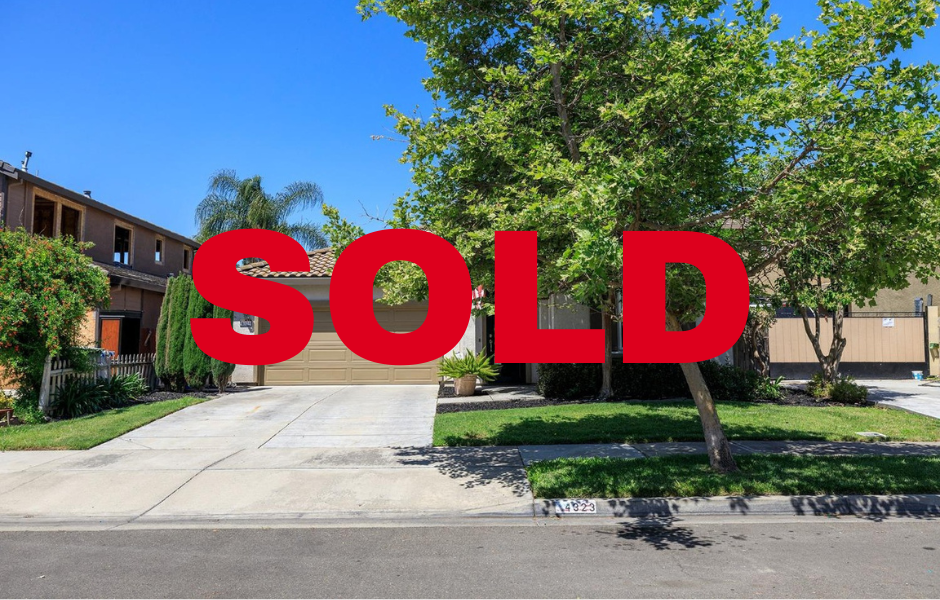
A Marvelous Home in North Turlock with a POOL/SPA Combo!! The family and Kitchen Area is a wide open Great Room. Approx. 1512sf with 3 Bedrooms and 2 Full Baths. Laminate flooring throughout, New Quartz Counters, New Tile Backsplash, and Paint. Big Kitchen With Island and SS Appliances. The Master Bedroom has a Big Walk-in Closet, Tub, Shower, and Double Sinks. An Amazing Backyard with a Pebble-Tec, Self-Cleaning POOL/SPA Combo with Chatter-Waterfall, Travertine Coping, and Solar Heat. It has a unique location with all 4 levels of schools nearby; the University, Pitman High, Junior High, and Walnut Elementary.
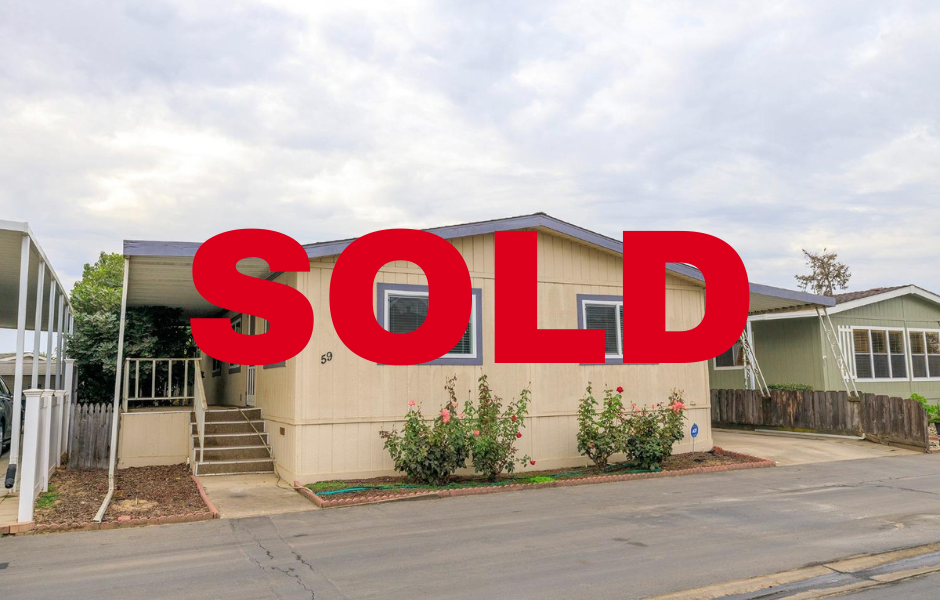
Hilmar Senior Community!! Very Nice Open Floor Plan with Formal Dining Room and Office/Den. This 1344sf unit has 2 Bedrooms and 2 Full Baths. Newer Roof, Newer Windows, and Newer Paint. The Kitchen and laundry Area is very Cute and Practical. Large Master Suite with a Big Closet and Big Shower Stall. It is very Clean and Ready to move into. One Car Carport.
300 Acres Riparian Water Rights. Currently Approx. 160 Acres in Alfalfa/Rye and Approx. 140 Acres in Oats with Areas for Storage of Feeds including Pole Barn. This Farm Ground has 2 Tile Drains from the previous Vineyard. Surrounded by Almonds and Vineyards, suitable for all permanent and/or specialty Crops. 50 HP Lift Pump on Old River for irrigation riparian water access and multiple pumps for drainage off this ranch. Over 2400sf home with 3 Bedrooms, 3 Baths, and Metal Shop.
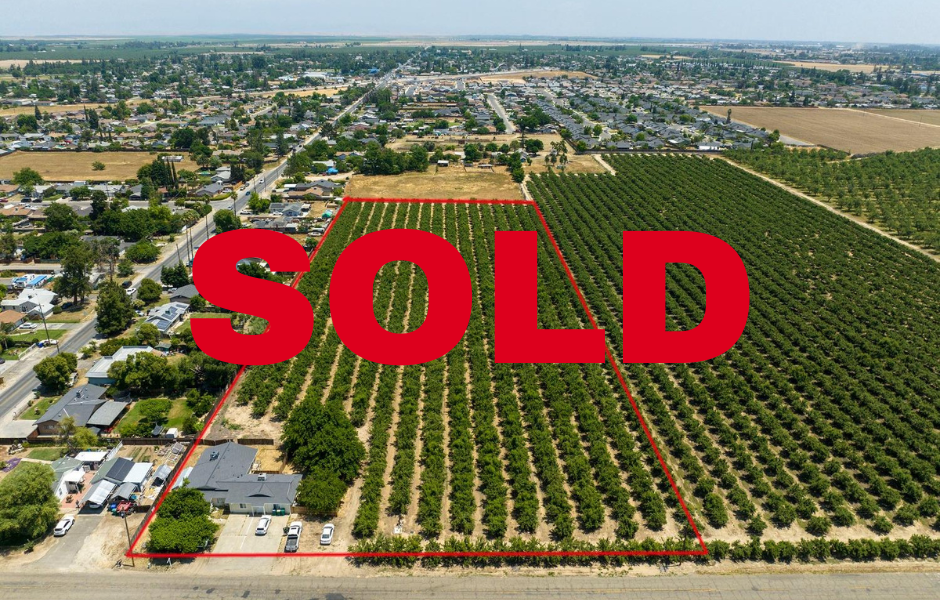
Opportunity Knocking.. Duplex with Almonds or Almonds with Duplex, PLUS Future Development. Approx. 6.1 with 2342sf of dwellings, Built in 1993. Shasta Variety that are Self Pollinators, on Double Drip from Ag Well, Planted in 2018, 19×14 spacing with 5.5 net acreage in trees. Unit #1 is 3 Bedrooms and 2 Baths with Approx. 1600sf, renting for $2000 per month. Unit #2 is a 2 Bedrooms with 1 Full Bath renting for $1650 per month. Both Units have been Updated with Flooring, Kitchen, Paint, Roof, and More. Owner Pays all Utilities(Power, Water, Garbage, and Gas). Please Check with Merced County to Confirm but the Preliminaries states that the property Could be Subdivided, Separating the Duplex into a ONE acre Parcel from the remaining Acreage.