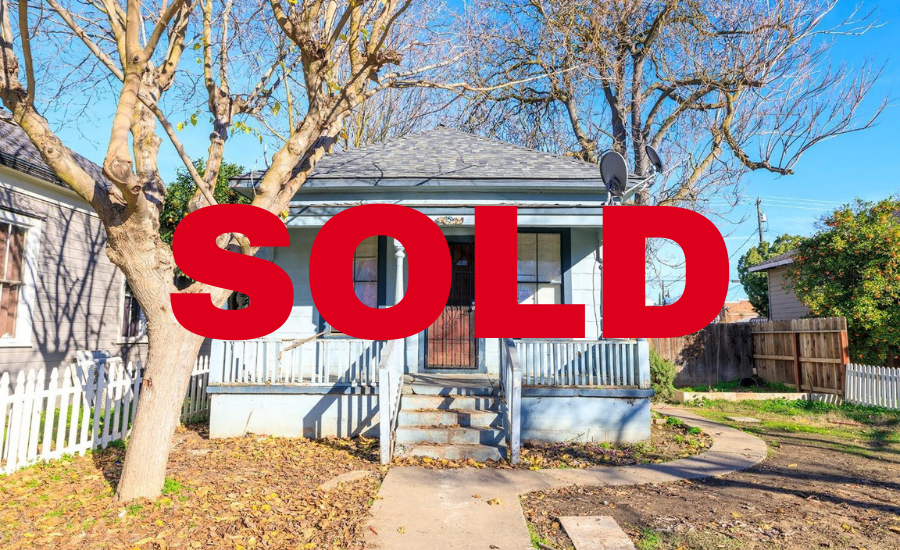
SOLD – 1326 P St, Newman

Downtown Newman where all the quaint Homes line both sides of the street. Downtown Shopping is around the corner. Almost 920sf home with 2 Bedrooms and 1 Full bath. The home is in need of some TLC and Repairs. A good-sized lot, a very Nice Floor Plan, and Could be A Great Setup.


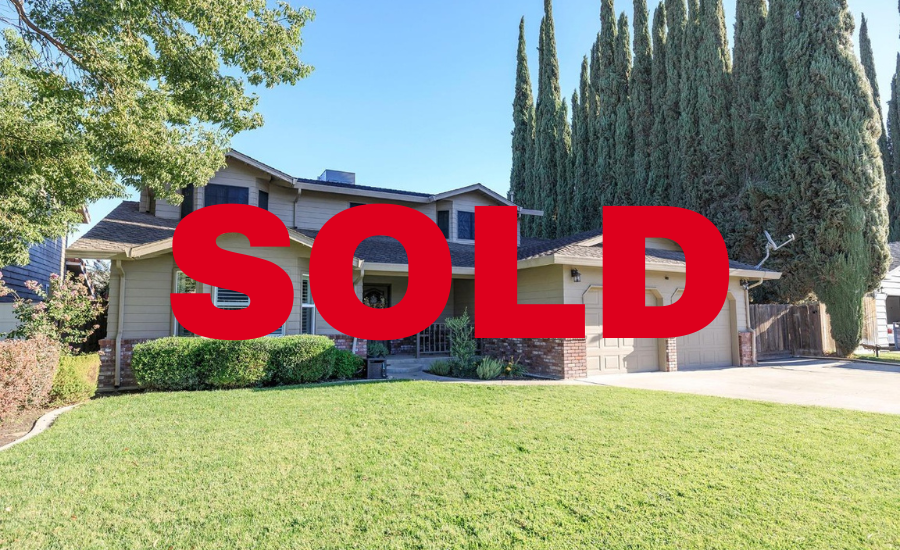
SOLD – 20454 3rd St, Hilmar

SOLD - 20454 3rd St, Hilmar

Custom Home in Hilmar!! On A Court with RV Access. Almost 2000sf with 3 Bedrooms, Office, and 3 Full Baths. Two Story Home with a Master Bedroom Downstairs. Remodeled Kitchen, Remodeled Master Bathroom, Newer Cabinets, Newer Flooring, Newer Paint, Newer Appliances, and More. A Very Nice Family Floor Plan with a Big Patio Area and Backyard. Great Lot to Entertain. 

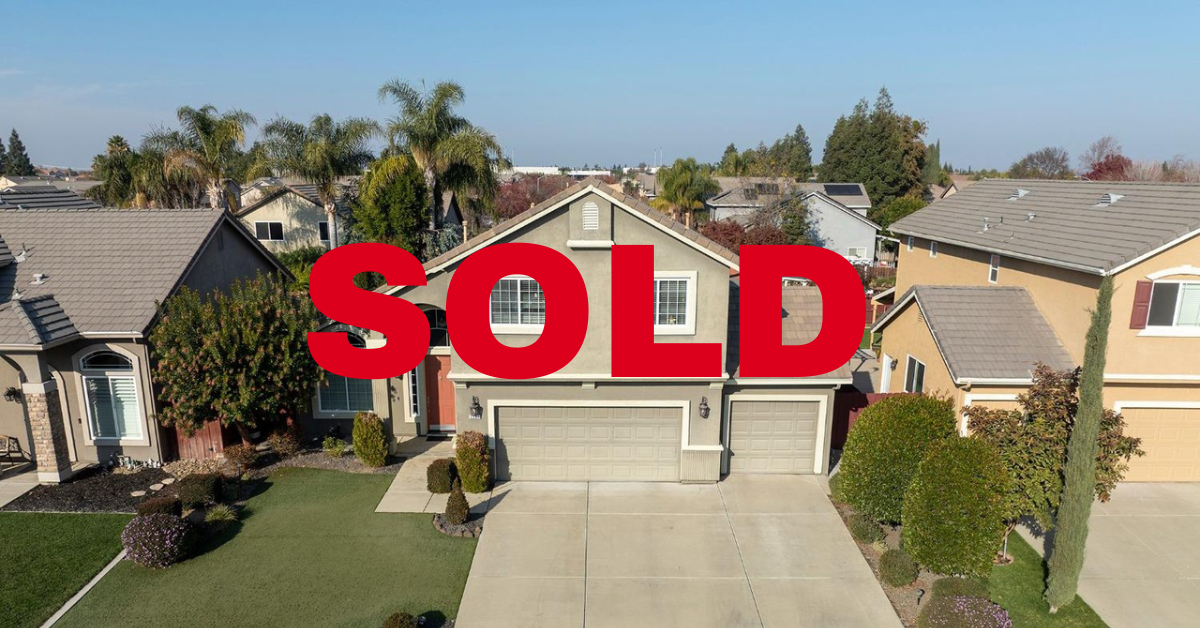
SOLD – 2551 Roberts Rd. Turlock

SOLD

This Has it All…North Turlock Home!! This Home has a Loft, 4 Bedrooms, Pool, Huge Metal Detached Patio, 3 Car Garage with Drive Through. High Vaulted Ceilings and an Open Floor Plan. Approx. 2340sf Semi-Custom Home with a Remodeled Kitchen that features New Cabinetry, Quartz Counters, Tile Backsplash, New Appliances, and with a Pantry Closet. New Laminate Flooring Throughout with Fireplace in Family Area. There is a Full Bedroom and Full Bath Downstairs. Upstairs has the large Loft for Additional Living Spaces. Master Bedroom has Vaulted Ceilings with Tub, Shower, Double Sinks, and a Large Walk-in closet. Downstairs Laundry Room with Sink. 3 Car Garage currently has a bonus storage room. Minutes from all schools including Pitman High and Stanislaus State. 

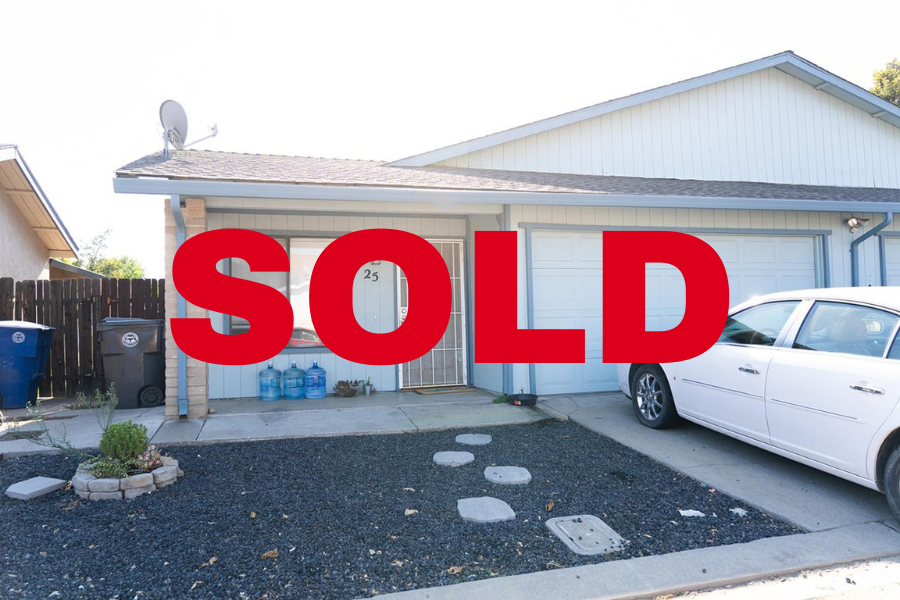
SOLD – 1394 Pajaro Ave #25, Manteca

1394 Pajaro Ave #25, Manteca

Pajaro #25 is Calling our Name. Approx. 1023sf dwelling with 2 Bedrooms and 2 Full Baths. Deep 2 Car Garage with Laundry Area. Newer AC, Newer Paint, Updated Bathrooms, Newer Water heater, and More. Master Bedroom has a Walk-in closet and a Shower Stall. Super Clean and Ready to move into.


Home Inventory: What Is It and Why Do You Need One?

home inventory

You never know when your home might get damaged in a flood, fire or other disaster. And you can’t rule out the possibility of a home break-in, either. Ideally, you’ll have homeowners or renters insurance in place to cover your damaged or stolen items. But it’s best to have an extensive list of your belongings before they’re damaged or stolen. That’s where a home inventory comes in.

What Is a Home Inventory?

A home inventory is a comprehensive list of your personal belongings, along with their monetary value. While you don’t have to list every single item you own as part of your inventory, you should include all items of significant value.

Why Do You Need a Home Inventory?

Your insurance company may not require you to have a home inventory, but it’s a helpful thing to have nonetheless. If your home is subject to damage or a break-in, the last thing you’ll want to have to do after the fact is rack your brain trying to figure out which items of yours were impacted. With a home inventory, you will have an easier time getting at that information. That could, in turn, make it easier to file a claim against your insurance policy, and also, get paid on your claim much sooner.

Furthermore, if your home is damaged in the course of a major storm, you may be eligible for local or federal assistance. Having a record of your damaged goods could help you quality for the maximum amount of aid and help you move forward more quickly.

“Having a loss in your home can be very stressful,” says Jennifer Brault, AVP, Claims Property Personal Lines at Nationwide. “This is a good way to restore and put your life back together faster during that time.”

Plus, according to Pat Howard, a licensed property and casualty insurance expert at Policygenius, “A home inventory also helps ensure you’re purchasing the right amount of home or renters insurance coverage and accounting for items that require additional coverage, like an art collection.”

What Should Be Included in a Home Inventory?

Your home inventory should include everything you own of substantial value. There’s no specific threshold for what that entails, but generally speaking, you don’t want to list every $20 item you own, but you may want to list items costing $100 or more.

Some of the items you may want to list include:

  • Jewelry
  • Higher-end apparel
  • Handbags
  • Kitchenware
  • Footwear
  • Electronics
  • Small appliances
  • Musical instruments
  • Furniture
  • Home décor and artwork

Once you narrow down your list of items to include, you should record each item’s:

  • Purchase date
  • Description
  • Estimated value

If you have receipts documenting your purchases, it pays to retain them. Brault adds that capturing items’ brands and serial numbers can be especially helpful when it comes to electronics.

How to Do a Home Inventory

The first step in conducting a home inventory is deciding how you want to keep a record of your belongings. Here are some options to consider:

A written inventory. Using a notebook or spreadsheet, you can create a comprehensive list of the items you own, along with details such as purchase date and value.

A digital inventory. There are a host of home inventory apps you can use to compile your data digitally. Many of these are free, though some limit you to a certain number of items before imposing a fee. Last year, the National Association of Insurance Commissioners introduced its own home inventory appSortly offers a free inventory app up to 100 entries, but if you want to take a more extensive inventory, you pay. Then there’s the UPHelp Home Inventory app from United Policyholders.

With a home inventory app, you typically take photos of your belongings and put them into categories. If you’d rather not use a home inventory app (or pay for one), you can take photos or videos of your belongings yourself. From there, you can add captions or edits to include details about each item, such as when it was purchased and how much it cost.

Once you decide how you’ll conduct your home inventory, your next step is doing the actual work. To that end, a good bet is to tackle your home room by room until you’ve covered all items of value. Don’t forget to check your shed, garage and attic for items you may want to include.

You should also account for items being stored outside of your home. “If you have items in a self-storage unit, make sure to include them, as they are usually covered under your home insurance policy,” says Amy Harris, State Farm spokesperson.

Now if you’re in the process of moving, you find it easier to conduct your inventory then. “The best time to tackle a home inventory is during a move,” insists Howard, “as you can make a list of everything as you pack up or unpack in your new abode. But ultimately there is no bad time to make a list of everything you own — as long as you’re doing so in advance of a loss.”

Where to Store Your Home Inventory

It’s important to keep your home inventory someplace safe and easily accessible. If you have a written inventory, make sure to scan and email yourself a copy and store it digitally in the cloud. You can keep a hard copy in a fire-proof home safe or a safe deposit box, if you rent one. You may even want to send a copy to your insurance company.

If you have a digital inventory, don’t just keep a copy on your phone or laptop. If those items are damaged, you’ll be out of luck. Instead, email yourself a copy and store one digitally in the cloud as backup.

How Often Should You Update Your Home Inventory?

Any time you acquire an item of value, be sure to update your home inventory. The goal is to have a comprehensive list of what you own, so it pays to get into the habit of updating your inventory as you go.

Source: realestate.usnews.com ~ By: ~ Image: Canva Pro

0 Santa Nella Blvd. Santa Nella

This slideshow requires JavaScript.

$10,395,000 – 75.95 Acres of Prime Real Estate Along Highway 33 where the High Traffic Zone on Highway 33 and Interstate 5 meet. This Location has been expanding and growing at a Fast Pace. This property has a Good Ag Well which would contribute to the development of this property. This Property is also in the San Luis Water District for Farming Purposes. Here’s your opportunity to have a large stake in this Claim. It’s Triple Zoned: Zoned C-2 (General Commercial) along highway 33 (Santa Nella Blvd). The Southeast corner is Zoned R-4, and Northeast corner is Zoned R-3. Currently Farmed, Leveled, and Ready for Your Project.

Exterior Details
  • Lot Size Acres: 75.9500
  • Topography: Agricultural Leveled
  • Zoning Description: Commercial, Multi-Residential, See Remarks, Other
Community Information
  • APN: 070-100-011-000
  • County: Merced
  • Cross Street: Plaza and Fahey
  • Water Source: Agricultural Well, Irrigation District
School Details
  • Elementary School District: Gustine Unified
  • Middle or Junior School District: Gustine Unified
  • School District (County): Merced
  • Senior High School District: Gustine Unified
Property Information From MLS Data
  • # of Lots: 0
  • Commission To Buyer Broker: 2.5
  • Commission Type: %
  • Crops: Row Crops
  • Development Status: Raw Land, Farm Land
  • Directions to Property: On Highway 33 (Santa Nella Blvd). Just South Of Fahey, East side of Highway 33. This property is Just North of Interstate 5 and Highway 33 interchange.
  • Elevation: 0
  • Irrigation: Deep Water Turbine, District
  • Lot Features: Shape Regular, See Remarks
  • Lot Size Dimensions: Approx. 75.95
  • Lot Size Square Feet: 3308382.00
  • Minimum Bldg SqFt: 0
  • Other Structures: None
  • Sewer: None
  • Special Listing Conditions: None
  • Vegetation: Crop(s), Grassed, Other
  • View Description: Panoramic
  • Zoning: C-2, R-4, R-3
Utilities
  • Current Use: Agricultural
  • Distance To Electric: Electricity To Site
  • Road Frontage Type: Highway
  • Utilities: Public, Other

15490 Atwater Jordan Rd. Livingston, 304ac Ag Land

15490 Atwater Jordan Rd Livingston

This slideshow requires JavaScript.

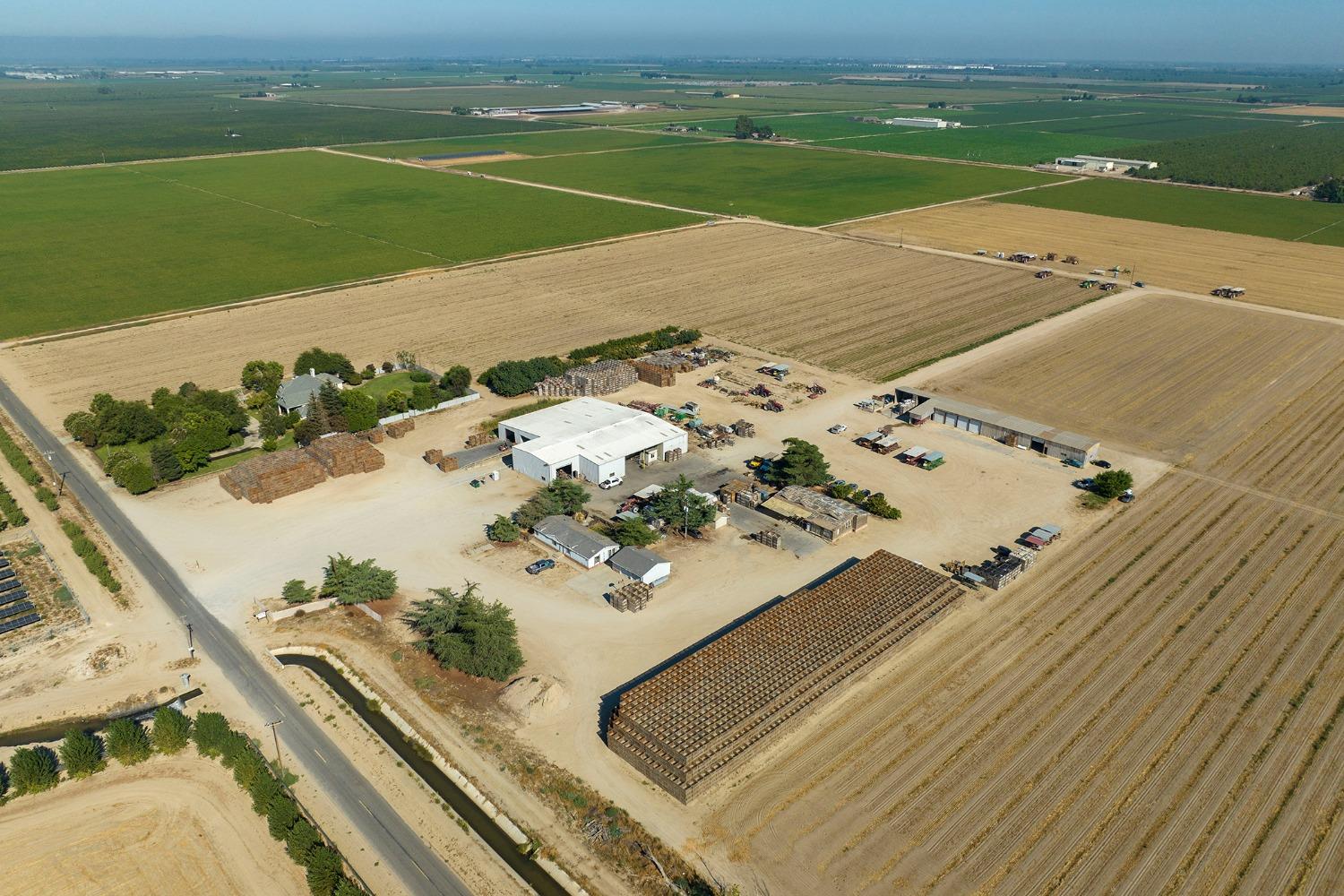
$7,305,600 – 304 Acres with Solar Power, Ag Business Capability with Certified Organic Crops of Rye, Potatoes, and Other Specialty Crops. Irrigation Infrastructures are in place with Main Irrigation lines at 6-inch main pipes and 8-inch main pipes running to laterals with a 300′ spacing with risers. They currently have 4 Ag Wells; #1 60hp, #2 60hp, #3 40hp, #4 100hp. Total Irrigation water is 3200gpm. Class 2 Irrigation Water available from MID using a 50hp Booster Pump off Howard canal, Approx. 550gpm. The Class 2 Contract is a 9-year contract. Solar Panels that are owned, and used to offset the 7 electrical meters and 15,000sf Metal Shop Building with 2 loading Docks 8 bins height capacity for Storage with Fans, Insulated, Multiple Roll-up doors, breakroom, Bathrooms, and More. There’s a Separate 30X200 Storage Shed, a 3311sf custom-built home, a Modular Home, an office, and More. On A Squared Country Block surrounded by Country Roads.

  • Lot Size Acres: 304.5519
  • Topography: Agricultural Leveled
  • Zoning Description: Agricultural, Agricultural/Residential
  • APN: 049-050-009-000
  • County: Merced
  • Cross Street: Washington, Sunset, and Howard
  • Distance To Phone Service: Phone To Site
  • Water Source: Agricultural Well, Domestic Well Storage Tank, Domestic Well With Pump
  • Elementary School District: Livingston Union
  • Middle or Junior School District: Livingston Union
  • School District (County): Merced
  • Senior High School District: Merced Union High
  • Crops: Plantable, Row Crops, Vegetables, Grain
  • Development Status: Raw Land, Farm Land, Improvements Complete, See Remarks
  • Directions to Property: On A Squared Country Block surrounded by Country Roads…This Property Fronts Howard, Sunset, Washington, and Atwater Jordan.
  • Elevation: 0
  • Irrigation: Deep Water Turbine, Domestic Well, Drip System, Pipeline, Well, See Remarks
  • Lot Features: Building Pad, Shape Regular, See Remarks
  • Lot Size Square Feet: 13266281.00
  • Minimum Bldg SqFt: 0
  • Other Structures: Barn(s), Modular Home, Barn w/Electricity, Shop, Garage(s)
  • Primary Residence: 0-30 Years Old, Over 1500 SqFt
  • Sewer: Septic Tank
  • Special Listing Conditions: None
  • Vegetation: Crop(s), Grassed
  • View Description: Panoramic
  • Zoning: Ag
Utilities
  • Current Use: Agricultural, Plantable, Farm, Mixed Use
  • Distance To Electric: Electricity To Site
  • Road Frontage Type: County Road
  • Utilities: Phone Connected, Propane Tank Owned

106-Acres Gates Rd, Modesto

106-Acres Gates Rd. Modesto

This slideshow requires JavaScript.

$5,908,560 – Young Almonds in West Modesto. Within the Modesto Irrigation Water District with a 50Hp Booster Pump, 600gpm Deep Well, and MID Flood Water with Irrigation Gates Available. Orchard is on Double Line Drip, irrigates in 3 sets with Booster Pump. 35 Acres Independence Planted in 2016. 42 Acres of Nonpariel-50%, Aldrich-25%, and Monterey-25% Planted in 2016. 23 Acres of Nonpariel-50%, Aldrich-25%, and Monterey-25% Planted in 2019. Orchard Well-Cared For and Well-Maintained. Crop records are available, Blue Diamond has been the processor and handler for this orchard. This Ranch is Multiple Parcels. A Must See!

  • Lot Size Acres: 105.5100
  • Topography: Agricultural Leveled
  • Zoning Description: Agricultural, Orchard, Agricultural/Residential, Farm
Community Information
  • APN: 012-025-063-000
  • County: Stanislaus
  • Cross Street: Grayson & Paradise
  • Water Source: Agricultural Well, Irrigation District
School Details
  • Elementary School District: Shiloh
  • Middle or Junior School District: Shiloh
  • School District (County): Stanislaus
  • Senior High School District: Modesto City
Property Information From MLS Data
  • Crops: Almond, Row Crops
  • Development Status: Farm Land
  • Directions to Property: On the Corner of Gates and Shoemake. Northeast Corner.
  • Elevation: 0
  • Irrigation: Public, Public District, Deep Water Turbine, District, Drip System, Pipeline
  • Lot Features: Corner, Shape Irregular
  • Lot Size Square Feet: 4596016.00
  • Minimum Bldg SqFt: 0
  • Sewer: None
  • Special Listing Conditions: None
  • Vegetation: Crop(s), Trees Many
  • View Description: Orchard
  • Zoning: RES
Utilities
  • Current Use: Agricultural, Ranch, Orchard
  • Distance To Electric: Electricity To Site
  • Road Frontage Type: County Road
  • Utilities: Public, None

Housing Market Forecast: 4 Expert Predictions for 2024

Real Estate 2024 Predictions

Here’s a piece of good news for rate-weary buyers: Relief is on the way. After months of turmoil, the housing market should be slightly calmer in 2024.

Although the factors that tanked affordability in 2023 — mainly high mortgage rates and lack of inventory — will still be at play in 2024, no one expects conditions to get any worse for buyers and sellers. In fact, many housing experts believe the new year will be a turning point for real estate: They say home sales should (somewhat) rebound, mortgage rates and prices should move lower, and more sellers will list their homes.

To be sure, these improvements will be gradual, and “housing affordability is still going to be the No. 1 issue for homebuyers,” says Danielle Hale, chief economist at Realtor.com. But slightly lower mortgage rates and prices will help lower the costs of homeownership.

What else can we expect from the 2024 housing market? Here’s what experts predict will happen with mortgage rates, inventory, home prices, and sales in the near future.

Mortgage rates will decrease

Mortgage rates were one of the main obstacles for homebuyers in 2023. After starting the year on a downswing, they quickly turned tail and headed up to two-decade highs, even flirting with 8% at one point.

But rates have eased lower in the last two months. A slowing economy, weakening labor market, and steady improvement in the battle against inflation led the Federal Reserve to hold the federal funds rate steady over the past few months and signal the possibility of rate cuts in 2024.

As a result, 10-year Treasury yields and the mortgage rates that follow their movement have dropped. Freddie Mac’s 30-year fixed-rate loan averaged below 7% for the first time since mid-August, and all the experts Money spoke to agree the downward trend will continue in the new year (although it’s not guaranteed).

However, don’t expect a dramatic drop into the 3% or 4% range. As with home sales, there’s a wide range of predictions for how low rates will go.

On the higher end, listing site Zillow expects interest rates to stay between 7% and 7.5% throughout the year. The National Association of Realtors is a little more optimistic, expecting rates to average below 7% by the start of the upcoming spring buying season and end the year at around 6.3%. In contrast, Realtor.com expects rates to end 2024 averaging 6.5%. With mortgage rates averaging 6.61% and trending lower at the end of December, it’s looking good for rates to stay below 7% this year.

Inventory will increase

Last year, sellers were loath to list their homes because they didn’t want to give up the low mortgage rates they’d previously locked in. As a result, there weren’t a lot of homes to choose from in 2023.

Thankfully, buyers can expect to see some improvement in the number of homes up for sale in 2024. Overall, inventory could increase by as much as 30% compared to last year, according to Lawrence Yun, chief economist at NAR, with some markets seeing even faster growth.

Skylar Olsen, chief economist at Zillow, says she has noticed in recent research that some homeowners who bought when rates were in the 5% and 6% range have readjusted their expectations around how low rates will go. They “are much less sensitive” to the rate-lock effect, Olsen says, adding that the rate homeowners consider “low enough” to prompt them to sell is increasing.

Home prices will likely stay flat

While there should be some improvement in housing supply and mortgage rates, the dynamics that have kept home prices high will continue.

Inventory is still well below demand. Before the pandemic, the number of active listings on the market averaged over 1 million homes, according to the St. Louis Fed. At the end of November, there were 754,846.

What does this mean for the market? Buyers are competing for fewer available homes, keeping upward pressure on home prices. So, on a national level, prices aren’t going to plummet unless we get a sudden and large influx of listings. Most experts forecast home prices will remain flat or decrease by about 1% in 2024.

That doesn’t mean there won’t be some markets where home prices majorly decline. There are currently a handful of cities where prices have decreased significantly, such as San Francisco and Las Vegas, and there’s a probability more cities will see considerably lower prices — just not on a level that could jeopardize the housing market as a whole.

Home sales will increase

Most housing analysts expect sales to improve this year thanks to improving overall market conditions. But not everyone agrees just how much better it will be.

The most conservative estimate for home sales comes from Realtor.com, which forecasts existing home sales to increase by 0.1% year-over-year, or a jump of about 4 million homes sold. At the opposite end of the spectrum is NAR, which is forecasting sales to increase by 13.5% compared to 2023.

It all goes back to — you guessed it — the hope that mortgage rates will continue to edge lower, which Yun says “will bring out more buyers and may even nudge some sellers to list their homes.”

Source: money.com ~ By: Leslie Cook ~ Image: Canva Pro

When Is a Home Seller Paid—and How?

Real Estate Transaction

The Steps of a Real Estate Transaction

Congrats! You just sold your home quickly for thousands of dollars over the asking price. You may be eyeing that sell price with wide eyes, amazed that a large amount of money will soon be in your bank account.

Well, the cash will get to your savings account, but perhaps not as quickly as you hoped—or expected.

After all, buying a property is a complex transaction. And getting the money from the buyer’s bank to yours involves a multitude of steps that safeguard both parties.

So just how does that sweet offer turn into your cold, hard cash? Follow the money with us from offer to closing.

When homebuyers pay the earnest money deposit

Good news: The buyers usually make a payment—known as earnest money—of between 1% to 5% of the purchase price of the home within three days of an offer.

The buyers part with this money to show the seller they are committed to buying the property, and to prove they can back up their offer with money. The seller then takes the property off the market. And this first payment will be put toward the total cost of the home.

But that moola won’t get deposited into your vacation fund just yet. Rather, it’s held by a third party—such as an escrow company, a real estate firm, or a lawyer—until closing day. This third party holds the payment until the contract is finalized.

That way, if anything goes wrong from the contract to the inspection, the neutral party can fairly distribute the earnest money—usually back to the buyers.

However, if the buyers flake, cancel the sale for no legitimate reason, or miss key dates in the contract, the seller may have the right to keep the money.

When home sellers receive the down payment

OK, so the earnest deposit is a nice chunk of money out there with your name on it. And soon there’ll be more in the form of a down payment, right?

Not exactly. The point of a down payment is for buyers to prove to the lending institution or bank that they have enough dough to pay back the loan they’re applying for (which will eventually be your money).

“And the buyer isn’t required to turn over the down payment until after a required loan for the real estate transaction is approved by the lender,” says David North, designated broker and owner of Realtrua.com, in Redmond, WA.

Why home sellers must wait to be paid

OK, there is some earnest money in an escrow account somewhere and even more money in the buyer’s account with your name on it. Now what?

You wait.

“In parallel with the lender’s process for approving the buyer’s loan—which usually involves an appraisal—buyers and sellers usually have various obligations described in their purchase and sale agreement,” says North. These may include inspections, repairs, disclosures, and various contingencies. The specific timelines and deadlines depend on your contract.

Meanwhile, a title insurance company investigates whether the property meets the needs and requirements of the buyers and their lender.

The entire closing process can take anywhere from 30 days to three months, but the average time is 50 days. Closing occurs when all of these steps have been completed and the loan is approved.

How home sellers get paid on closing day

Hurrah, it’s payday! Also known as closing day, this is when you will hand over the keys to your former castle and the buyers will hand over a massive chunk of dough.

Here’s how it goes down: The buyers make the remaining down payment—minus earnest money—at closing. This is also when closing costs are paid.

“Once all the payments are made, closing is completed and the title is transferred from the seller to the buyer,” says North.

Immediately after the transaction closes, escrow pays the seller the full purchase price in the form of a cashier’s check or wire transfer—minus any fees, taxes, or real estate commissions, that the seller is required to pay. (See more on wire transfers below.)

In other words, after closing, you will now have an eye-popping amount of money in your possession!

What to know about wire transfers on house payments

If you’re to be paid for your home sale by electronic transfer, the good news is that most of the funds are available within a day. However, in recent years the real estate industry has been plagued with wire fraud.

“If you do go this route, be especially cautious when exchanging wiring instructions,” advises Bob Gordon, a real estate agent for Berkshire Hathaway in Boulder, CO.

Use only secure or encrypted email to trade banking information.

Even better? “Pick up the phone and have a conversation with your title company,” he suggests. As long as you’re aware and practice due diligence, wire fraud can be avoided.

Source: realtor.com ~ By: The Realtor.com Team ~ Image: Canva Pro