SOLD – 3930 S. Shiloh Rd, Modesto

SOLD - 3930 S. Shiloh Rd, Modesto

176.38 Acres of Modesto Ag Ground, Currently in ROW Crops. Two Deep Wells of 50hp and 75hp. The Ground Has Been Lasered with New Pipeline Irrigation Lines. Great Soil, Great Water, and Great Piece of Property. This Property was Previously Farmed with Almonds.

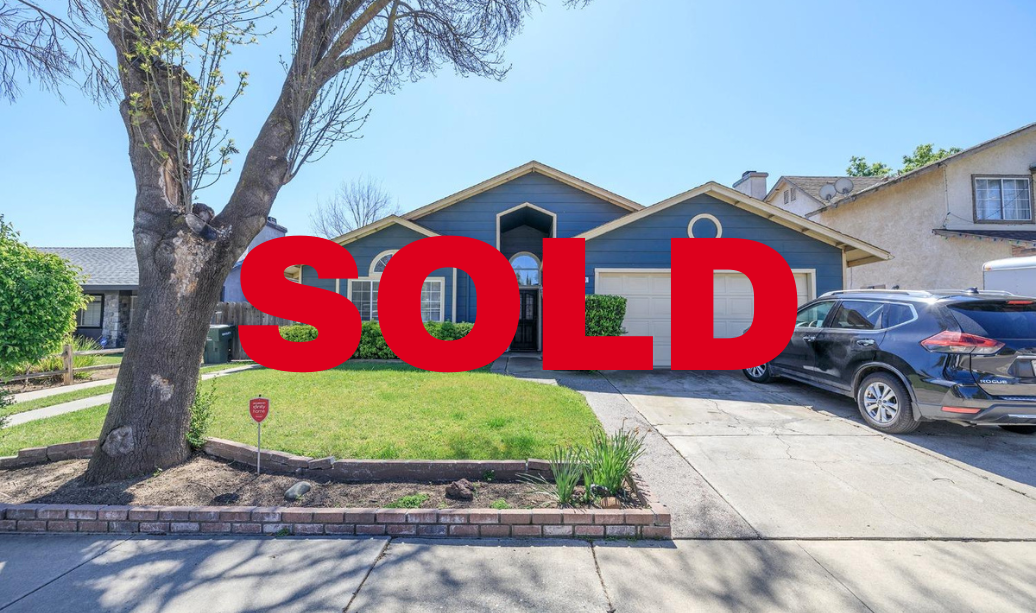
SOLD – 544 Westfield Pl. Patterson

SOLD - 544 Westfield Pl. Patterson

Greater Starter Home In Patterson. Newer Roof, Corian Counters in Kitchen, and a Very Desirable Floor Plan. High-Vaulted Ceilings in the Living Area with a Fireplace and a Big Area. Approx. 1309sf home with 3 Bedrooms and 2 Full Baths. Good Size Kitchen with Newer Appliances. The Master Bedroom has High Vaulted Ceilings with an Office Area. Water Softener. Tool Shed. Backyard has a very nice Patio Area to Play and Entertain.


5 Things to Not Ignore At a Home Showing

Don't ignore these at an open house

There are common things you should look for at a showing, like dripping faucets, but the less obvious things are sometimes revealing as well.

Looking at homes can be overwhelming, especially if it’s your first try at buying a place of your own. Most homes have some flaw, small or large, and sometimes you can pick up on them during a showing or an open house. While most problems can be corrected with enough money, time, and patience, being aware of these items will make the process – and your ownership – a lot easier.

Here are five things real estate agents say you should never ignore at a showing:

1. Clutter

Sometimes, clutter is just the end result of a busy life or too many things and not enough places to put them, but sometimes it’s covering up things you should really know about.

“Even though clutter is usually just clutter, it could be hiding some things,” says Laura Carroll Duckworth, a real estate agent with Flat Fee Redefined, an agency brokered by eXp Realty LLC in Springfield, Missouri. “I had one where the seller refused to move a lot of their stuff for the inspection, and then it turned out there was termite damage behind it.”

Termites are bad enough, but they’re not the only bugs you may come across living in a cluttered home. They’re all going to require an exterminator at minimum, and the problem could be a lot worse than you imagine.

“I was showing a foreclosure and they didn’t do a trash out of the property,” says Tammy Nevin, real estate agent with First Weber Inc. in Tomah, Wisconsin. “There was debris and garbage everywhere. It looked like they just picked up and walked out. The stench was a combination of cigarettes and cats. As I was walking through and I looked closer, I noticed lots of little bugs jumping around – they were fleas. We ran out of there pretty quickly.”

2. Room Deodorizers

Homeowners often will use plug-in deodorizers or other air fresheners to make their home smell welcoming to a potential buyer. But if you smell something more than just the air freshener, it’s time to look a little closer.

“Some people have air fresheners and room sprays and the buyer might wonder, ‘Oh, what are they trying to cover up?’” says Duckworth. “Sometimes they’re not trying to cover up anything, they just want the house to smell good for the buyers. Other times, there are layers to that scent that might indicate problems with mold, rodents or insects.”

3. Area Rugs

While it might not occur to you that a seller could be hiding damage in plain sight, it’s not uncommon. Area rugs should always be considered suspicious until you’ve seen what’s underneath.

“One of my clients purchased a home about seven years ago and it had beautiful hand-scraped hardwood floors throughout,” says Neil Brooks, real estate agent with My Home Group in Scottsdale, Arizona, and an agent within the Veterans United Realty Network. “During the showing, the owner was there and took us on a tour. When shown the living room, he pointed out the area rug and mentioned that it was expensive and placed it there so their grandchildren could play comfortably. He added that he would leave it for my client because it fits nicely in the room.

“My client decided to purchase the home, and upon moving in, moved the carpet to buff the floors to find out that the rug covered a three-foot area where the previous owners’ dog chewed the floor down, exposing the slab.”

4. The Neighborhood

Most neighborhoods show well enough during the daytime when everyone is at work. It still pays to familiarize yourself with the neighborhood you’re considering, especially if a house is having trouble selling.

“One major red flag is not the house itself, it’s the neighbors,” says Bob Thompson, a real estate agent with American Homes Of Eastern VA, Inc., in Hampton Roads, Virginia. “I encourage all my buyers to do what I call the Friday night drive-by. Every neighborhood looks great at 3 p.m. on a Tuesday, but weekends are when you find out what people are really like. That’s important because no one wants to get stuck next to the loud drunk neighbors or racist neighbors.”

5. DIY Repairs

Homeowners often do home repairs, and to a high quality standard, because they care about their homes and want to take care of them to the best of their ability. But sometimes, no matter how hard someone may try, they might just not be cut out for DIY. When those repairs are obvious, it’s something to pay close attention to.

“When you can tell the homeowner did their own repair work on something and did a poor job on it, that’s important – what else did they attempt to repair?” says Thompson. “Also be sure to look at minor repairs on a rehabbed property. If they did poor work on the small things, did they do poor work on the big things?”

What if You Spot a Problem at the Showing?

A showing is just a chance to get to know a house that you might be interested in. It’s an opportunity to see all the home’s visible red flags and decide how much those things bother you. This is why it’s so important not to get too serious about a house right away, even if you think it’s your dream home.

“Try not to fall in love with a home initially, just date it until you have a thorough understanding of what you’re buying,” says Brooks. “It’s a Realtor’s duty to be the voice of reason and point out all of the potential issues and err on the side of caution in order to protect their client.”

Once you’ve identified the issues that may or may not be serious enough to fall out of love with a property, it’s time to put pencil to paper. Ignoring issues won’t solve them, but every problem related to a home can be fixed, if you go in with your eyes open.

“Every issue can be overcome with time, money, expertise or a combination of all three,” says Aimee Thayer-Garcia, broker-associate at Montalvo Homes & Estates in Santa Cruz, California. “Ignoring red flags at a showing can set buyer, seller, and their agents up for a challenging escrow. Every transaction has its own speed bumps – a huge part of the work as an agent for buyer clients is preparing for them and setting expectations.”

Source: realestate.usnews.com ~ By: Kristi Waterworth ~ Image: Canva Pro

39-AC Lake Rd. Hickman

39-AC Lake Rd. Hickman

This slideshow requires JavaScript.

$1,386,000 – Almost 40 acres of Almonds to build your Perfect Building Site… Nonpareil and Carmel varieties on Lovell Root Stock. Micro-Sprinklers with 2 Water Sources; Newer 150hp Deep Well and TID Canal Water using Booster System with Sand Media Filters to irrigate in ONE set. This one has Great Dirt, Great Water, and Great Setup. A Must See! The 2024 Almond Crop is included in the Sales Price!! 

Property features

Exterior and Lot Features

  • Fencing: Full
  • Road Frontage Type: City Street, County Road

Land Info

  • Lot Description: Shape Regular, Greenbelt
  • Lot Size Acres: 38.5
  • Lot Size Dimensions: Approx. 19.17 Acres
  • Topography: Agricultural Leveled
  • Vegetation: Crop(s), Orchard
  • Lot Size Square Feet: 1677060

Home Features

  • View: Orchard, Panoramic, City

Homeowners Association

  • Association: No
  • Calculated Total Monthly Association Fees: 0

School Information

  • Elementary School District: Denair Unified
  • High School District: Denair Unified
  • Middle or Junior School District: Denair Unified

Rental Info

  • Income Includes: Crop(s)

Commercial Info

  • Business Type: Agricultural, Commercial, Subdivision, Industrial

Other Property Info

  • Source Listing Status: Active
  • County: Stanislaus
  • Cross Street: Hickman and Hall Road
  • Development Status: Raw Land, Farm Land
  • Directions: Hickman Road to Lake Road East. North Side of the road, next to the TID Canal.
  • Disclaimer: All measurements and calculations of area are approximate. Information provided by Seller/Other sources, not verified by Broker. All interested persons should independently verify the accuracy of the information. Provided properties may or may not be listed by the office/agent presenting the information. Copyright © 2024, MetroList Services, Inc. Any offer of compensation in the real estate content on this site is made exclusively to Broker Participants of the MetroList® MLS & Broker Participants of any
  • Source Property Type: Land
  • Possible Use: Agricultural, Plantable, Farm, Ranch, Orchard
  • Area: Hickman
  • Source Neighborhood: 20209
  • Parcel Number: 080-011-017-000
  • Street Suffix Modifier: AC
  • Zoning: Ag
  • Zoning Description: Agricultural, Agricultural/Residential, Farm/Ranch
  • Property Subtype: Agriculture
  • Source System Name: C2C

Farm Info

  • Irrigation Source: District, Pipeline

Utilities

  • Public
  • Water Source: Irrigation District

Escrow: What Is It And How Does It Work?

Escrow: What Is It And How Does It Work?

If you’re buying a home, you’ll probably hear the word “escrow” used in a few different contexts. Let’s look at what escrow is, how it works and how it can benefit you as a home buyer, seller or homeowner.

What Is Escrow?

Escrow is a legal arrangement in which a third party temporarily holds money or property until a particular condition has been met – such as the fulfillment of a purchase agreement.

How Does Escrow Work?

It’s used in real estate transactions to protect both the buyer and the seller during the home buying process. Throughout the term of the mortgage, an escrow account will hold funds for taxes and homeowners insurance.

What Is An Escrow Account?

In real estate, escrow is typically used for two reasons:

  • To protect the buyer’s good faith deposit, so the money goes to the right party according to the conditions of the sale
  • To hold a homeowner’s funds for property taxes and homeowners insurance.

Because of the different purposes served, there are two types of escrow accounts. One is used during the home buying process, while the other is used throughout the life of your loan.

Escrow Accounts For Home Buying

When you’re buying a home, your purchase agreement will usually include a good faith deposit – (also known as earnest money). This deposit shows the seller that you’re serious about purchasing the home. If the contract falls through due to the fault of the buyer, the seller usually gets to keep the money. If the home purchase is successful, the deposit will be applied to the buyer’s down payment.

To protect both the buyer and the seller, an escrow account will be set up to hold the deposit. The good faith deposit will sit in the escrow account until the transaction closes.

Sometimes, funds are held in another type of escrow account past the completion of the sale of the home. This is called an escrow holdback. There are many reasons an escrow holdback may be needed. For example, perhaps you agreed that the seller can stay in the home an extra month, or there are outstanding bills on the home that the seller is responsible for (a water bill, for example).

If you’re building a new home, money may remain in escrow until you’ve signed off on all the work. Once the conditions are met, the money will be released to the right party.

Escrow Accounts For Taxes And Insurance

After you purchase a home, your mortgage lender will establish an escrow account to pay for your taxes and homeowners insurance. Each month, your mortgage servicer takes a portion of your monthly mortgage payment and holds it in the escrow account until your tax and insurance payments are due.

The amount required for escrow is a moving target because your tax bill and insurance premiums can change from year to year. Your servicer will determine your escrow payments for the next year based on what bills they paid the previous year. To ensure there’s enough cash in escrow, most lenders require a minimum of 2 months’ worth of extra payments to be held in your account.

Your lender or servicer will analyze your escrow account annually to make sure they’re not collecting too much or too little. If their analysis of your escrow account determines that they’ve collected too much money for taxes and insurance, they’ll give you what’s called an escrow refund.

If their analysis shows they’ve collected too little, you’ll need to cover the difference. You may be given options to make a one-time payment or increase the amount of your monthly mortgage payment to make up for a shortage in your escrow account.

Who Manages An Escrow Account?

Escrow accounts may be handled by a variety of third parties, including an escrow company, escrow agent or mortgage servicer. Where you are in the process will determine who manages the account.

Escrow Companies And Escrow Agents

When you’re buying a home, escrow may be managed by a mortgage servicing company or agent. The escrow agent or company is sometimes the same as the title company.

The escrow company not only manages the buyer’s deposit, but they may also be responsible for holding the deed and other documents related to the sale of the home.

Because the escrow company is working for both the buyer and the seller in the real estate transaction, the fee for their services is usually split evenly between the two parties.

Mortgage Servicers

Your mortgage servicer manages your mortgage, from closing until you pay off your loan. Mortgage servicers are responsible for collecting your mortgage payment, maintaining the records of payments and managing your escrow account.

Your mortgage servicer is sometimes your originating lender – but not always. Sometimes, lenders sell the servicing rights to your loan. It’s a good idea to know ahead of time whether your lender typically services their own loans. Not all mortgage servicers provide the same level of service.

With your mortgage servicer taking care of your escrow account, you don’t have to worry about your tax or insurance bills – your servicer will make sure they know who to pay, and when.

The only exception is if you change insurance providers or policies. You will need to provide the new policy information to your servicer.

The Benefits Of An Escrow Account

The biggest benefit of having a Rocket Mortgage® escrow account is that you’ll have peace of mind knowing you’re being taken care of by the most awarded mortgage company ever, based on J.D. Power’s consumer surveys.*

For Home Buyers

An escrow account is key to protecting your deposit during a home sale. For example, say you have a purchase agreement, but the sale falls through due to a problem found during the home inspection.

If you’d given your deposit directly to the seller, there’s a chance they wouldn’t return your deposit. But since the deposit is being held by a third party, you can be confident it will be returned according to your agreement.

For Homeowners

An escrow account takes the pressure off you to come up with a lump sum to cover taxes and insurance. Since you’re paying for your taxes and insurance throughout the year, the payments are much more manageable.

Another bonus is that you don’t have to keep track of all the different due dates. When your tax bills and insurance premiums are due, your mortgage servicer will make sure those bills are paid on time, every time. That way, you’re not responsible for any late payments. Your servicer will even cover bills for you if your escrow account is short on funds – but, as mentioned above, you’ll be responsible for making up the shortage later.

For Lenders

Lenders have a vested interest in making sure your property taxes and insurance get paid:

  • If your tax bills don’t get paid, the tax authority could put a lien on your home – which could end up costing the lender money if the tax authority chooses to foreclose.
  • If your homeowners insurance coverage lapses, significant damage to or loss of the home could lead to extreme loss of value of the home.

Having an escrow account on the loan allows the lender to ensure the bills get paid.

The Disadvantages Of An Escrow Account

Although there really aren’t any disadvantages of having a mortgage escrow account, here are some that could be considered as such:

Higher Monthly Mortgage Payments

As stated before, an escrow account is funded through your monthly mortgage payment, making your monthly bill higher than it would be without escrow. But this also means that you don’t have to pay your taxes or insurance in a lump sum when they are due, so this is hardly a disadvantage when you think about it.

Lower Escrow Estimates Than Actually Required

Again, the amount needed for your escrow depends on your property taxes and homeowners insurance costs, which can change from year to year. Your servicer will determine the amount needed based on the previous year’s bills. But here’s the thing: When you first move into your home, your property is reassessed for tax purposes. This may cause your property taxes to increase substantially, especially if the home value has risen. When a servicer estimates the escrow, they may not be able to predict an increase in your property taxes.

Because of this, your escrow may come up short. If that happens, you’ll have to pay the difference with an increase in your monthly escrow payment. On the flip side, if there’s any money left over in your escrow after paying the taxes and insurance for the year, your servicer will refund you the excess funds.

Changes To Your Monthly Payment

Escrow is reassessed each year and, depending on if you were short or had excess money, your servicer will come up with a new estimate for the year. If you’re short, your mortgage payment will go up because the estimate will increase. This higher estimate is an effort to prevent another shortage. If you had too much money in the account, your mortgage payment may go down and you’ll receive a refund each year.

What Escrow Accounts Don’t Cover

Escrow accounts don’t cover all the expenses related to homeownership. Your lender or servicer won’t collect money to pay your utility bills or homeowners association (HOA) fees, for instance.

Supplemental tax bills also aren’t covered by escrow accounts. These are one-time tax bills that are issued due to a change in ownership or new construction.

Do You Need An Escrow Account?

It may be possible to pay for property taxes and insurance yourself instead of using an escrow account. Doing so will lower your monthly mortgage payment, but you’ll have to save for tax and insurance payments on your own. Plus, you may incur a fee for managing your own taxes and insurance. And because managing escrow accounts is a free service provided by servicers such as Rocket Mortgage, it doesn’t make financial sense to opt out of escrow for your mortgage.

Truthfully, not everyone even has an option for opting out of an escrow account on their loan. Escrow accounts are a requirement on certain loans. For VA loans, for example, you’ll need 10% down and a strong credit profile to opt out of having an escrow account. For conventional loans, you’ll need to have a down payment of 20% or more. FHA loans require all borrowers to have an escrow account.

It’s also possible to use your escrow account for some expenses and not others. Sometimes, lenders require escrow for property taxes but not homeowners insurance.

Source: rocketmortgage.com ~ By: VICTORIA ARAJ ~ Image: Canva Pro

SOLD – 5 AC Timmie Ln, Waterford 4.72ac

 Build in the COUNTRY! You don’t find many like these to live, farm, and enjoy!!!! On a Bluff with Views of the Valley, Mountains, and River. Surrounded by Almonds Trees, Nonpareil and Price are the Varieties. The Irrigation system is Micro-Sprinklers. Trees have produced well and are over 20 years old. A Very Nice Squared Piece of Property. This Parcel Is In the MID District and Has a Shared Ag Well!!

How to Price Your Home to Sell

pricing your home for sale

Pricing your house to sell requires a “Goldilocks” frame of mind. A price that’s “just right” is the one that attracts a buyer, is in line with the market, and puts the most money in your pocket.

It took Goldilocks some time to find exactly what worked for her, but you might not have that luxury when selling your house. So here are some do’s and don’ts for pricing your home to sell.

Don’t price it too high

When selling a home, first impressions matter. Your house’s market debut is your first chance to attract a buyer and it’s important to get the pricing right. If your home is overpriced, you run the risk of buyers not seeing the listing.

Let’s say you want $299,000 for your home, but you list it at $315,000 to see if anyone will pay the higher price. A buyer with a budget of $299,000 may search online only for homes priced through $300,000. Because of the way it’s priced, your home won’t appear in any of those searches, and you could miss out on a potential buyer.

Don’t price it too low

Listing a home below its market value is a strategy some sellers use to generate interest in the property and possibly spark a bidding war. It’s also used by sellers who need to sell their property quickly.

But price your house too low and you could end up leaving some serious money on the table. A bargain-basement price could also turn some buyers away, as they may wonder if there are any underlying problems with the house.

Do consider the comps

Comparable sales or “comps” are recently sold homes that are similar to yours in size, location, and features. Armed with comps, your listing agent can put together a comprehensive report called a comparative market analysis, or CMA. A CMA can help you determine a realistic listing price.

“One of the challenges we have as a seller’s agent is to really pull back the curtain and show data,” says Michael J. Franco, a licensed associate real estate broker at Compass in New York City. “You have to prove to the seller that their place isn’t really different unless it really is unique, then it deserves a premium.”

Don’t overvalue your home’s upgrades

Spending $70,000 to renovate your kitchen and install a swimming pool means you can add $70,000 to your home’s selling price, right? Not always.

While some renovations may increase your home’s value, it’s unlikely you’ll get back the full dollar amount that you put in. Before investing in any improvements, look at comparable homes for sale near you to see if upgrades are in line with the neighborhood and if they appear to have an impact on resale value.

Don’t let your emotions get the best of you

Market research should be your guide when pricing a home to sell, not your emotions. A buyer doesn’t care what you paid for the house, the sweat equity you’ve put into the property, the years of memories you’ve created in the home, or how much profit you hope for.

“You have to separate yourself emotionally from the property,” Franco says. “Yes, hold on to your memories and the experiences you’ve had in the home. But when you’re selling, you have to focus on it as a business transaction. Chances are, it’s your biggest asset and you have to do what’s right.”

Do adjust the price or approach as needed

If, despite your efforts to identify the “just right” price, your home isn’t attracting offers, regroup with your agent as soon as possible. Try to figure out why your home isn’t selling and be open to making adjustments that will fix the problem.

Pricing: While it’s unlikely in a hot market, if your home is languishing without an offer, it may be necessary to drop the price. Perhaps the market has changed since your agent conducted the CMA. Take a look at some more comparable properties and adjust accordingly.

Marketing: Make sure there aren’t any errors in your listing. Confirm with your agent that the home is being shown in all of the appropriate places. Your agent may need to boost marketing efforts to increase the number of people who see your listing, like offering more open houses or posting 3D tours on social media.

Alternate ways to sell: If your home isn’t attracting a traditional buyer, you may have to look into other options, like selling to an iBuyer. An iBuyer is a real estate company that uses technology to buy homes with cash. While the process is typically faster and you don’t have to get your house ready to sell, iBuyers don’t operate in every market and you may need to have a specific style of home to qualify.

Condition: Talk with your agent about what improvements may improve the salability of your home, including necessary repairs, staging, or curb appeal upgrades. A little TLC can go a long way.

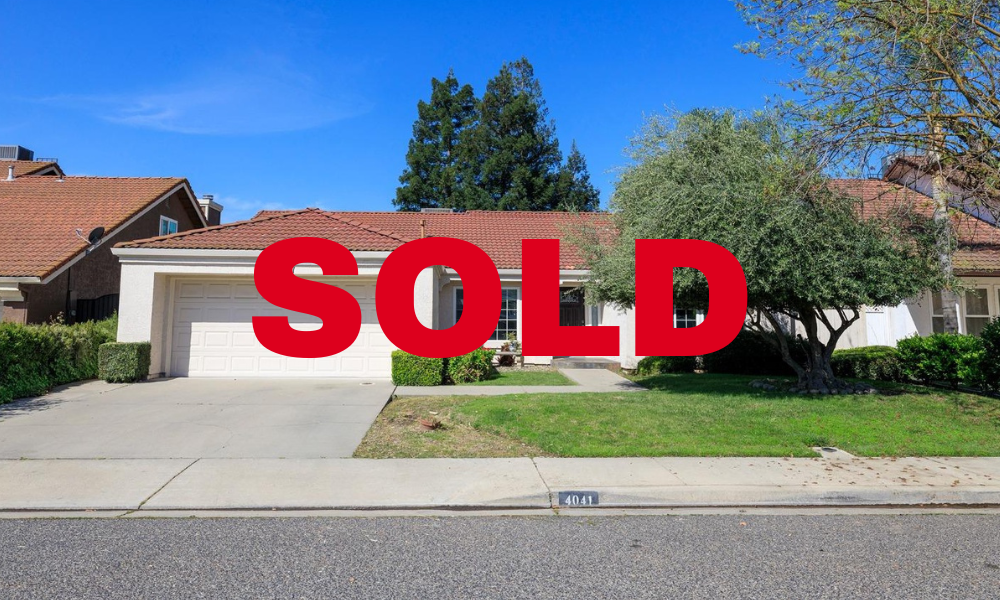
SOLD – 4041 St Joseph Pl. Turlock

SOLD - 4041 St Joseph Pl. Turlock

Campus Park. Near the California State University, Stanislaus!! Single Story Home that is Ready to move into!! On a Court with an 8000sf Lot with Privacy, Trees, and with a Park-like Setting. This Home is Over 1700sf with High Vaulted Ceilings, Inside Laundry, and Lots of Cabinets in the Garage. Big Living and Family Spaces to Live and Entertain. Nice Size Master Bedroom. A Must See!


5661 Rose Brook Dr. Riverbank, 3bed/2bath/1275sqft

5661 Rose Brook Dr. Riverbank

This slideshow requires JavaScript.

$439,900 – This is Your Starter Home! Gorgeous 1275sf Home with 3 Bedrooms and 2 Full Baths. A Welcoming Home with Laminate Flooring, Custom Paint, and an IDEAL Floor Plan. Very Open with High, Vaulted Ceilings Between Kitchen, Dining, and Family Areas. Center-Pieced Fireplace and Inside Laundry. It has a Large Master Suite. Cozy Backyard with Shade Trees and a Cute Patio Area. Perfect for BBQ and Entertaining. A Must See!

Interior Details
  • # of Fireplaces: 1
  • # of Rooms: 0
  • 2nd Unit Bedrooms: 0
  • Appliances: Built-In Electric Oven, Built-In Electric Range, Built-In Gas Range, Dishwasher, Disposal, Microwave, Electric Cook Top
  • Bath Features: Double Sinks, Tile, Tub w/Shower Over
  • Bathrooms: 2
  • Dining Room Features: Dining Bar, Dining/Living Combo, Formal Area
  • Fireplace Features: Living Room, Master Bedroom, Pellet Stove, Family Room
  • Flooring: Carpet, Laminate, Tile, Wood
  • Foundation: Raised, Slab
  • Full Bathrooms: 2
  • Half Bathrooms: 0
  • Kitchen Features: Breakfast Area, Granite Counter, Kitchen/Family Combo, Laminate Counter
  • Laundry Features: Cabinets, In Garage, Inside Room
  • Levels: One
  • Living Room Features: Cathedral/Vaulted, Great Room
  • Main Level: Bedroom(s), Living Room, Dining Room, Family Room, Master Bedroom, Full Bath(s), Garage, Kitchen
  • Master Bathroom Features: Shower Stall(s), Double Sinks, Tile, Multiple Shower Heads
  • Master Bedroom Features: Sitting Area
  • Possible Bedrooms: 0
  • Square Footage: 1275
Exterior Details
  • Carport Spaces: 0
  • Elevation: 0
  • Fencing: Back Yard, Cross Fenced, Fenced, See Remarks
  • Garage Spaces: 2
  • Horse Property: No
  • Lot Features: Auto Sprinkler F&R
  • Lot Size Acres: 0.1148
  • Lot Size Dimensions: Approx. 7.68 Acres
  • Lot Size Square Feet: 5001
  • Open Parking Spaces: 0
  • Parking Features: Attached, RV Possible, RV Storage, Garage Door Opener, Garage Facing Front, Workshop in Garage
  • Pool: No
  • Property Faces: East
  • Roof: Composition
  • Stories: 1
  • Total Parking Spaces: 0
Community Information
  • APN: 075-045-016-000
  • Association: No
  • County: Stanislaus
  • Cross Street: Roselle
  • Directions to Property: Roselle to Rose Brook.
  • Senior Community: No
  • Zoning: RES
School Details
  • Elementary School District: Riverbank Unified
  • Middle or Junior School District: Riverbank Unified
  • School District (County): Stanislaus
  • Senior High School District: Riverbank Unified
Property Information From MLS Data
  • # of Units: 0
  • 2nd Unit Approx SqFt: 0
  • 2nd Unit Rents for: 0
  • Architectural Style: Ranch
  • Commission To Buyer Broker: 2.5
  • Commission Type: %
  • Green Verification Year: 0
  • Irrigation: None
  • Other Structures: Barn(s), Outbuilding, Other
  • Property Subtype: Single Family Residence
  • Remodeled/Updated: Unknown
  • Special Listing Conditions: None
  • Subtype Description: Ranchette/Country, Detached
  • View Description: Orchard, Panoramic, Pasture
  • Year Built: 1992
Financial Information
  • Association Fee: 0
  • Parking Fee $: 0
Utilities
  • Cooling: Ceiling Fan(s), Central
  • Electric: 220 Volts
  • Heating: Central, Fireplace(s)

Thinking of Selling? You Want an Agent with These Skills

Selling your Home

Selling your house is a big decision. Your home is one of the biggest investments you’ve probably ever made, and it’s a place where you’ve created countless memories. That combo means there’s going to be a lot of emotions involved. You want someone who understands your perspective, knows what it feels like, and is an expert at helping homeowners just like you navigate the process of selling a home.

That’s where a good listing agent, also known as a seller’s agent, comes in. Here are just a few skills you’ll want your agent to have.

The Ability To Turn Something Complex into Something Simple

Some agents are going to use big, fancy real estate terms to try and impress you. But you shouldn’t have to know all the industry jargon in order to understand what they’re saying. If anything, it’s an agent’s job to keep it simple, so you don’t get overwhelmed or confused.

A great agent is going to be someone who is very good at explaining what’s happening in the housing market in a way that’s easy to understand. But they’ll take it one step further than that. They’ll explain what’s going on and, specifically, what that means for you. That way you’re always in the loop and it’s a lot easier to feel confident when you’re making a big decision. As Business Insider explains:

“Maybe you have a better rapport with one of the agents you’re considering, or you just feel like they’re easier to approach. You’re going to be working closely with this person, so it’s important to choose an agent you’re comfortable with.”

A Data-Based Approach on How To Price Your House

While it may be tempting to pick the agent who suggests the highest asking price for your house, that strategy may cost you. It’s easy to get caught up in the excitement when you see a bigger number, but overpricing your house can have consequences. It could mean your house will sit on the market longer because the higher price is actually turning away buyers.

Instead, partner with an agent who’s going to have an open conversation about how they recommend you should price your house. They won’t throw out a number just to win your listing. A great agent will back up their number with solid data, explain their pricing strategy, and make sure you’re both on the same page. As NerdWallet explains:

“An agent who recommends the highest price isn’t always the best choice. Choose an agent who backs up the recommendation with market knowledge.”

A Fair, but Objective Negotiator

The home-selling process can be emotional, especially if you’ve been in your house for a long time. But that sentimental tie can make it harder to be objective during negotiations. That’s where a trusted professional can really make a difference.

They’re skilled negotiators who know how to stay calm under pressure. You can count on them to handle the back-and-forth and have your best interests at heart throughout the process. Not to mention, they’ll be able to rely on their market expertise and what they’re seeing work in other transactions to offer the best advice possible. As Rocket Mortgage explains:

“Whether this is your first or third time selling a house, listing agents work to help make the home selling process smoother and less stressful. These real estate professionals know the ins and outs of the industry and can help you secure the best deal.”

Bottom Line

Whether you’re a first-time seller or you’ve been through this before, a great listing agent is the key to your success.  Feel free to connect with me. I am a skilled local expert and I will be with you through every step of the process.

Source: keepingcurrentmatters.com ~ Image: Canva pro