The Guide to Understanding Your Home Value

Understanding Home Value

Here’s a look at the process of calculating the value of your home and what it means for your home’s sale price.

You know how much you paid for your home, and you likely factor the work you’ve done and the memories you’ve made there into your idea of what it’s worth. But while your home may be your castle, your personal feelings toward the property and even how much you paid for it a few years ago play no part in the value of your home today.

In short, a house’s value is based on the amount the property would likely sell for if it went on the market.

Why Should You Know the Value of Your Home?

You should have a grasp of the value of your home in a variety of situations: if you’re getting ready to sell your house, looking to refinance your mortgage or buying a new homeowners insurance policy, for example.

For a better understanding of what your home’s value means, how it may change over time and what the impact may be if the housing market shifts significantly in your neighborhood, city or even the whole country, here’s our breakdown.

What Is the Value of My Home?

If your property value is based on what a buyer is willing to pay for it, all you have to do is find someone willing to pay as much as you think it’s worth, right?

Determining a home’s value is a bit more complicated. Keep in mind that buyers place no value on the good times you’ve spent there and might not consider your updated bathroom or in-ground swimming pool to be worth the same amount you paid for the upgrades.

And even if you find a buyer willing to pay $450,000 for your home, the value of your house isn’t necessarily $450,000. Ultimately, the financial backing in a deal determines the property’s value, and it’s most often a mortgage lender making the call.

Property valuation primarily takes into account recent sales of comparable properties in the area. Key identifying factors are the same square footage, number of bedrooms and lot size, among other details. Professionals who determine property values for a living compare all the details that make your house similar and different from those recent sales, and then calculate the value.

But when your property is unique – maybe it’s a triangular lot or a four-bedroom house in a neighborhood full of condos – determining the value can be more difficult.

The individual, group or tool appraising the property may also influence the outcome of the appraisal since they all appraise properties differently for a variety of reasons. Here’s a look at common appraisal scenarios.

Lender Appraiser

In the case of a property sale, the appraisal often happens once the property has gone under contract. The lender will hire an appraiser to complete a report on the property, getting all the details on the house and its history, as well as the details of similar real estate deals that have closed in the last six months or so.

If the appraiser comes back with a valuation below that $450,000 sale price you’ve agreed upon, the lender will likely state that it is willing to lend an amount equal to the property’s value as determined by the appraisal, but not more. If the appraisal comes in at $425,000, the buyer has the option to come up with the $25,000 difference or try to negotiate the price down.

Sellers are often open to negotiation at this point, knowing that a low appraisal likely means the house won’t sell for a higher price once it’s back on the market, though excessive interest in a property may be able to sway an appraiser.

Lindsay Katz, a real estate agent with Redfin in the Los Angeles area, says low inventory and high demand has made the Los Angeles market extremely competitive. In cases of multiple offers on a home that drive the price above its initial asking point, a higher value becomes easier to prove to an appraiser that the market value of the home has risen. “I don’t know how you can’t justify that price when 13 people agree,” Katz says.

Appraiser You’ve Hired

If you haven’t yet put your house on the market and are struggling to determine price, hiring an appraiser can help you get a realistic estimate.

Especially if you’re struggling to agree with your real estate agent on what the most likely sale price will be, bringing in a third party could provide additional context. The cost of a formal appraisal is about $350 on average, according to home services company Angi.

Online Home Value Estimator

Many real estate information sites offer more informal home appraisal tools that will give you a ballpark value for your home. You may have previously taken a look at U.S. News’ own home value estimator, Zillow’s Zestimate, realtor.com’s RealEstimate tool or explored the Federal Housing Finance Agency’s House Price Calculator.

It’s important to keep in mind that an online home value estimator is simply pulling from available information online and may not have all the facts that a professional appraiser would utilize in a valuation report. The online algorithms can catch many details, but they don’t necessarily have the ability to account for more localized factors, like the impact of severe storm damage or trends taking place in your city.

“There’s a lot of information out there,” says Danielle Hale, chief economist for realtor.com. “They don’t always agree, depending on how unique your home is or if there aren’t a lot of sales where your home is.”

Tax Assessor

Your home’s value also determines annual property taxes. In addition to examining the sale prices of similar houses that sold recently, a tax assessor looks at what the cost would be to build a similar house, whether you’ve done any recent improvements, if you earn income from the property and the cost of upkeep.

property’s assessed value for tax purposes is often less than the appraised value – and that’s a good thing. The property taxes you pay annually are based on the assessed value, so the higher it is, the more you owe.

How Do Market Values Apply to My Home?

There are multiple ways to find out the current value of your house, but individual appraisals and assessments aren’t the only cases where you’ll hear about home values. In annual, quarterly or even monthly reports, home values are often discussed along with the rising cost of homeownership on a local, state and national level.

Depending on the source of information, reported values may be based on online estimator tools, listing prices for houses currently on the market or property value information from local assessors’ offices. These numbers are useful to discuss trends on a large scale, but they don’t always reflect the actual sale prices of real estate deals that closed in those time periods.

The details you get about rising values can be useful as you prepare to put your home on the market, buy your first house or learn more about economic forecasts, but don’t take national trends as indicators of what’s happening in your area.

The importance of trends in home values depends on the stage of homeownership you’re in or moving toward. Here’s what you should know:

For Buyers

As you’re preparing to start house hunting, keeping up on real estate market trends can be an excellent way to know what you’ll be facing. If values are climbing every month and year-over-year comparisons show fast growth – for example, 5% or more – those are signs that a lot of buyers are looking for houses at the same time as you. In mid-2021, home values were climbing at an incredibly fast pace, and the median sale price in the U.S. was seeing more than 20% year-over-year growth. Don’t expect this to repeat soon.

For Investors

Whether you’re looking to invest in a property for rental income or buy a fixer-upper for a quick turnaround, current market trends may influence your choice of purchase. In Los Angeles and many other parts of the country, more time spent at home during the pandemic caused many buyers to shift their focus when looking for a place to live. Instead of prioritizing proximity to shopping and nightlife, for example, “people renting or living in a condo are thinking they’d like to have a backyard, perhaps a pool,” Katz says.

But before you invest in a sprawling property with all the outdoor amenities, learn more about the market and its previous trends. You’ll also want to crunch the numbers to see if rent will be able to cover the mortgage and upkeep on an income property.

For Homeowners and Sellers

If you’re preparing your home for sale or just looking to learn more about your net worth, keep in mind that wider home value trends and reports have little impact on you.

Instead, keep a close eye on local reports; those that provide monthly or quarterly trends on your specific ZIP code can be a better reflection of what’s happening to your property value, Hale says.

Especially if you’re considering selling your home, a knowledgeable real estate agent could be your best source in understanding your property value. “You would want to reach out and talk to an agent and get a local expert’s assessment,” Hale says.

On the other hand, “if you’re not selling, a (positive) change in value still might help you feel wealthier,” says Hale, noting that a current valuation of your home may help you make future financial decisions.

How Can I Increase My Home’s Value?

Whether you’re planning to sell now or in a couple of years, or you’re simply looking to make your home as valuable as possible in the long term, you can potentially help increase its value with regular maintenance, renovations or even additions that could appeal to homebuyers.

Short Term

Many homeowners are motivated to add value to a property when they’re preparing to sell. It’s not impossible to add a couple of thousand dollars to the price tag with some simple remodeling projects that can make your home look fresh and appeal to buyers. Here are a few:

    • Fresh paint in neutral colors.
    • New landscaping.
    • Smart thermostat.
    • New or refinished cabinets.
    • New or well-maintained roof.
    • New or well-maintained furnace or air conditioning.

Maximizing value isn’t just about cosmetic fixes – it’s also about focusing on key areas like the roof and HVAC systems that would come up in a home inspection. Issues like leftover water damage on the ceiling from an old roof leak or a cracked window will show up in the home inspector’s report. If anything concerns the buyer too much, you may run the risk of the deal falling through.

Midterm

If you’re looking to make changes to your home so it’s on par with a different caliber of properties in your neighborhood, consider these larger construction projects:

    • Primary suite addition.
    • Guest bedroom add-on.
    • Finished basement.
    • Garage construction.
    • Complete kitchen renovation.
    • Bathroom addition.

These more extensive changes can be an excellent way to take your home to the next level, but only if other houses like this exist in the area. Adding a master suite and new garage to a neighborhood full of two-bedroom bungalows with street parking won’t make the property appraise much higher than the others. That’s because your house may no longer appeal to the typical buyer in that neighborhood.

Long Term

If you’re looking to increase your home’s value for the sake of your overall wealth, the best thing you can do is continue to pay off your mortgage and gain equity in the property. With proper upkeep and work to keep the home up to date, your home value will, on the whole, naturally increase over time.

Source: realestate.usnews.com  ~ By Devon Thorsby ~ Image: Canva Pro

3002 Village Park Ct. Turlock 3 bed/2 bath/1,734sqft/6,686sqft lot

3002 Village Park Ct. Turlock

This slideshow requires JavaScript.

Property overview

$499,900 – Ready and Ready… This Semi-Custom home is Approx. 1734sf with 3 Bedroom and 2 baths. Updated Kitchen with Counter Tops, Backsplash, and Painted Cabinets. Laminate Flooring Throughout with New Paint, New Carpet, New Appliances, New Grass, and New Garage Floor Paint. Great Design and with High Ceilings. Big Open Family Room with Large Fireplace. Cozy Formal Dining Area. This home is Light and Bright with Views. Inside Laundry. Down the Street from Markley Park. A Must See!


Property Features

Bedrooms

  • Bedrooms: 3
  • Primary Bedroom Features: Outside Access

Appliances

  • Equipment: Dishwasher, Disposal, Microwave, Free Standing Electric Oven
  • Laundry Facilities: Cabinets, Sink, Inside Area

Other Rooms

  • Master Bedroom
  • Living Room Features: Cathedral/Vaulted

Heating and Cooling

  • Cooling Features: Ceiling Fan(s), Central
  • Fireplace Features: Family Room
  • Heating Features: Central
  • Number of Fireplaces: 1

Bathrooms

  • Full Bathrooms: 2
  • Primary Bathroom Features: Shower Stall(s), Double Sinks, Tile, Tub, Walk-In Closet, Window
  • Bathroom 1 Features: Tub w/Shower Over, Window

Interior Features

  • Interior Amenities: Main Level : Bedroom(s), Family Room, Master Bedroom, Full Bath(s), Garage, Kitchen, Upper Level : Street Entrance
  • Flooring: Carpet, Laminate, Tile

Kitchen and Dining

  • Dining Room Description: Breakfast Nook, Dining Bar, Dining/Family Combo, Space in Kitchen, Formal Area
  • Kitchen Features: Breakfast Area, Synthetic Counter

Exterior and Lot Features

  • Fencing: Back Yard
  • Road Responsibility: Public Maintained Road

Land Info

  • Lot Description: Auto Sprinkler F&R, Shape Regular, Landscape Back, Landscape Front
  • Lot Size Acres: 0.1535
  • Lot Size Dimensions: Approx. 6600sf
  • Lot Size Square Feet: 6686

Garage and Parking

  • Driveway: Sidewalk/Curb/Gutter
  • Garage Spaces: 2
  • Garage Description: Attached, Garage Door Opener, Garage Facing Front

Homeowners Association

  • Association: No
  • Calculated Total Monthly Association Fees: 0

School Information

  • School District: Stanislaus

Other Property Info

  • Source Listing Status: Active
  • County: Stanislaus
  • Cross Street: Heathernoel Way
  • Directions: Highway 99 to Monte Vista-Right on Berkeley (at the Park). Right ON Heathernoel. on the Corner of Village Park and Heathernoel.
  • Source Property Type: Residential
  • Area: Turlock NE, No of Canal, E of Ge
  • Source Neighborhood: 20302
  • Parcel Number: 072-013-088-000
  • Postal Code Plus 4: 1354
  • Zoning: RES
  • Property Subtype: Single Family Residence
  • Source System Name: C2C

Utilities

  • Electric: 220 Volts
  • Sewer: In & Connected, Public Sewer
  • Public
  • Water Source: Public

Building and Construction

  • Year Built: 1989
  • Construction Materials: Frame, Wood
  • Direction Faces: West
  • Foundation Details: Raised
  • Levels: One
  • Living Area Source: Assessor Auto-Fill
  • Property Age: 34
  • Roof: Roof Description:Composition
  • Levels or Stories: 1
  • Structure Type: Detached, Semi-Custom
  • House Style: Contemporary

Home Features

  • Security Features: Carbon Mon Detector, Double Strapped Water Heater


1621 N Olive Ave. Turlock, 3 Bd/2 Bth/1,206 Sqft/.93ac

1621 N Olive Ave, Turlock, CA

This slideshow requires JavaScript.

Property overview

$379,900 Almost an Acre!! An Investment with a House in City of Turlock. Over 40, 000sf LOT Currently Used as a Residential Ranchette. The Proposed Zoning is Commercial/Office Zoning. The Home is Currently Rented, over 1200sf with 3 Bedrooms and 2 Full Baths. The Parcel is Long and Deep, Down the Street from the Hospital and other Medical Businesses. Futhermore, it’s Around the Corner from Offices, Downtown, and further Support Businesses. Lots of Land to Build your Business-Store Front and/or Investment.

Property Features

Bedrooms

  • Bedrooms: 3

Appliances

  • Equipment: Free Standing Gas Oven
  • Laundry Facilities: Inside Area

Heating and Cooling

  • Cooling Features: Ceiling Fan(s), Window Unit(s)
  • Heating Features: Wall Furnace

Bathrooms

  • Full Bathrooms: 2
  • Bathroom 1 Features: Shower Stall(s)

Interior Features

  • Interior Amenities: Main Level : Bedroom(s), Living Room, Full Bath(s), Kitchen
  • Flooring: Carpet

Kitchen and Dining

  • Dining Room Description: Space in Kitchen
  • Kitchen Features: Other Counter

Land Info

  • Lot Description: Landscape Front
  • Lot Size Acres: 0.9275
  • Lot Size Dimensions: Approx. 40, 401sf
  • Lot Size Square Feet: 40402

Garage and Parking

  • Garage Spaces: 1
  • Garage Description: Garage Facing Front

Homeowners Association

  • Association: No
  • Calculated Total Monthly Association Fees: 0

School Information

  • School District: Stanislaus

Other Property Info

  • Source Listing Status: Active
  • County: Stanislaus
  • Cross Street: E.Hawkeye Ave.
  • Directions: Highway 99 to Fulkerth-east. Fulkerth turns into Hawkeye. Left on Olive. Second Property on the Left.
  • Source Property Type: Residential
  • Area: Turlock NE, No of Canal, E of Ge
  • Source Neighborhood: 20302
  • Parcel Number: 072-051-007-000
  • Postal Code Plus 4: 2505
  • Zoning: C-O commercial office dis
  • Property Subtype: Single Family Residence
  • Source System Name: C2C

Utilities

  • Electric: 220 Volts
  • Sewer: In & Connected, Septic System
  • Water Source: Well

Building and Construction

  • Year Built: 1946
  • Construction Materials: Wood
  • Foundation Details: Slab
  • Living Area Source: Assessor Auto-Fill
  • Property Age: 77
  • Roof: Roof Description:Composition
  • Levels or Stories: 1
  • Structure Type: Ranchette/Country
  • House Style: Rustic

673 Timmie Ln, Waterford Ranchette, 3 bed/2 bath/2,011sqft/5acres

673 Timmie Ln, Waterford

This slideshow requires JavaScript.

Property Overview

$897,500 – Country Road with Country Living at its Best, on 5 Acres! This Remodeled and Updated home is over 2000SF with 3 Bedrooms and 2 Full Baths. New Floors, New Paint, Newer Windows, New Fixtures, and More. Open Floors Plan with Large Living Spaces. Gourmet Kitchen with SS Appliances, Lots of Cabinet Storage, and a Large island. Separate Guest House of 725sf with Full Bath, Kitchen, and Laundry Setup. Very Quaint, New, and Practical. Multiple Outbuildings including a 90’x28′ Barn, and 84’x38′ Storage building. Almond Trees are over 20 years, Non-Pariel, and Price on an Ag Well with Micro-Sprinklers. This Property has MID district water and an AG well as backup water/frost protection. Nestled among the Orchard… Located on a Bluff with Views of the surroundings including Park-like Landscaping. The Neighboring 4.72 Acre Parcel is For Sale.

Property Features

Bedrooms

  • Bedrooms: 3

Appliances

  • Equipment: Built-In Electric Range, Dishwasher, Disposal, Double Oven
  • Laundry Facilities: Cabinets, Sink, Inside Area

Heating and Cooling

  • Cooling Features: Ceiling Fan(s), Central
  • Heating Features: Central

Bathrooms

  • Full Bathrooms: 2
  • Primary Bathroom Features: Closet, Double Sinks, Tile, Tub w/Shower Over
  • Bathroom 1 Features: Shower Stall(s), Tile

Interior Features

  • Interior Amenities: Main Level : Bedroom(s), Dining Room, Family Room, Full Bath(s), Garage, Kitchen, Street Entrance
  • Flooring: Carpet, Laminate, Tile

Kitchen and Dining

  • Dining Room Description: Dining Bar, Dining/Family Combo, Space in Kitchen
  • Kitchen Features: Island

Exterior and Lot Features

  • Other Structures: Barn(s), Guest House, Workshop

Land Info

  • Lot Description: Auto Sprinkler F&R, Shape Regular
  • Lot Size Acres: 5.0
  • Lot Size Dimensions: 5 Acres
  • Lot Size Square Feet: 217800

Garage and Parking

  • Driveway: Paved Driveway
  • Garage Spaces: 2
  • Garage Description: Attached, RV Storage, Workshop in Garage

Home Features

  • View: Orchard, Panoramic, Mountains
  • Security Features: Carbon Mon Detector, Double Strapped Water Heater

Homeowners Association

  • Association: No
  • Calculated Total Monthly Association Fees: 0

School Information

  • School District: Stanislaus

Other Property Info

  • Source Listing Status: Active
  • County: Stanislaus
  • Cross Street: Canal
  • Directions: Highway 132, turn right on Missouri, then left on Canal, then right on Timmie Ln. Home is the second one on the right
  • Source Property Type: Residential
  • Area: Rural E County N of Tuolumne Riv
  • Source Neighborhood: 20204
  • Parcel Number: 080-008-037-000
  • Postal Code Plus 4: 9642
  • Zoning: RES
  • Property Subtype: Single Family Residence
  • Source System Name: C2C

Farm Info

  • Irrigation Source: Agricultural Well

Utilities

  • Electric: 220 Volts
  • Sewer: In & Connected, Septic System
  • Electric
  • Water Source: Well

Building and Construction

  • Year Built: 1964
  • Construction Materials: Brick, Wood
  • Direction Faces: East
  • Foundation Details: Raised, Slab
  • Living Area Source: Assessor Auto-Fill
  • Property Age: 59
  • Roof: Roof Description: Composition
  • Levels or Stories: 1
  • Structure Type: Ranchette/Country
  • House Style: Ranch

8 Things to Consider Before Buying a Rental Property

Things to Consider Before Buying a Rental Property

Investing in a rental property is a great way to generate steady, ongoing income. And if you hold on to a rental property for many years, it could appreciate quite nicely in value over time.

But investing in real estate isn’t the same thing as investing in assets like stocks. Real estate requires a lot of hands-on work, and there are notable risks involved. So if you’re looking at buying a rental property, be sure to consider these things first:

    • Know your costs.
    • Have a great real estate lawyer.
    • Make sure your property isn’t subject to rental restrictions.
    • Be mindful of surprise costs.
    • Understand what being a landlord really means.
    • Don’t assume hiring a property manager is a perfect solution.
    • Prepare for your rental to sit vacant.
    • Make sure you have plenty of cash reserves.

It’s important to purchase a rental property you can comfortably afford. But many first-time investors don’t realize what it takes to close on a rental property.

Lindsay Barton Barrett, a real estate agent with Douglas Elliman in Brooklyn, New York, explains that it takes more than just a down payment to finalize a rental property purchase.

“Even from the get-go, it’s really, really important to understand all of the actual closing costs on a purchase, because they can really creep up on you,” she says. Barton Barrett also warns that closing costs can’t always be financed, so it’s important to make sure you’re not maxing out your budget on a down payment itself.

When you’re making an investment in real estate, “you need to have the right professionals in place advising you,” says Barton Barrett. And she especially thinks it’s important to have a great lawyer.

Not only should your real estate attorney be doing plenty of due diligence for you, but they should also make a point to explain what they’re doing. As Barton Barrett explains, a lawyer might say “oh, this contract or arrangement looks standard.” But do you know what “standard” means? If you’re new to real estate investing, you may not.

When you’re looking to rent out a property on a short-term basis, there can be specific hurdles you might face that won’t apply to a long-term rental. Those restrictions, says Barton Barrett, tend to come at the local level, or at the HOA level for properties that are part of a homeowners association.

Now you may be inclined to move forward with a rental property purchase because you’ve seen a unit or home within the same complex listed consistently for short-term rental purposes. But Barton Barrett cautions that won’t automatically give you the green light to do the same.

“Don’t assume if the neighboring apartment shows up on Airbnb that it’s legal,” she says. “Airbnb does not police those situations.”

Surprise costs can eat into your profits and, in some cases, exceed them. These can range from rising property taxes to maintenance and repairs.

Barton Barrett warns, “If you’re renting out a condo, there may be fees associated with renting that unit out.” It’s essential that you understand what costs apply in these situations.

Barton Barrett also says that investors who buy rental properties in newly constructed or remodeled buildings can get hit with higher than anticipated property taxes. In that situation, she explains, “It can take a couple of years for property taxes to catch up to the value of a building or property that’s been renovated. Sometimes taxes can double over the course of a year.”

One way to potentially mitigate surprise costs when buying a rental property is to vet it thoroughly before completing your purchase, says Eddie Martini, strategic real estate investment advisor at Real Estate Bees.

“As you walk through the property, you want to look at things like a home inspector would,” he says. “Assume nothing functions properly until you prove it functions properly. “

Becoming a landlord doesn’t just mean taking on the expense of maintaining a rental property. It also means having to be available at all times and deal with tenant issues as they arise.

“It’s important to understand that if something breaks, you have to fix it right away,” says Barton Barrett. “You might be disturbed early in the morning or late at night if an issue arises.”

It’s possible to minimize your work as a landlord by hiring a property manager to oversee your rental. This solution may be appealing, but Barton Barrett warns that it isn’t perfect.

“Property managers are not all phenomenal,” she says. And, a property manager can go out of business, or fail to give your tenants the service they want.

Barton Barrett also says that delegating absolutely everything to a property manager could mean compromising the value of your investment. After all, if a property manager puts on the wrong roof, it’s going to hurt you financially.

That said, one benefit of using a property manager is that, according to Martini, they will “typically have access to vetted contractors who can assist with needed repairs.” So while you may not be able to rely on your property manager to do everything, their connections might come in handy.

When it comes to making money on a rental, a lot of the financial upside you see is apt to come in the form of property appreciation. But you’ll still need to cover your costs along the way. And Barton Barrett warns that you may not always have a tenant paying rent to offset those costs.

If you’re relying on commanding the top rent for your property, she says, “It might take six months to get a tenant instead of one.”

Because owning a rental property can cost more than expected, it’s important to have plenty of cash reserves on hand to cover those expenses as they arise. You might have to pay for a sudden repair, or you might end up with an apartment that has to sit vacant for a handful of months until a major issue is fixed.

Having a solid cushion of money in the bank could help you avoid cash flow issues when situations like these arise. And it might buy you more peace of mind. That said, when you own a rental property, there really is an endless opportunity for something to go wrong, and you’ll need to come to terms with that before taking the leap.

“If you want a worry-free investment,” says Barton Barrett , “real estate is probably not the right thing.”

Source: realestate.usnews.com ~ By:  ~ Image: Canva Pro

Property Insurance: Definition and How Coverage Works

home on fire

What Is Property Insurance?

Property insurance is a broad term for a series of policies that provide either property protection coverage or liability coverage for property owners. Property insurance provides financial reimbursement to the owner or renter of a structure and its contents in case there is damage or theft—and to a person other than the owner or renter if that person is injured on the property.

Property insurance can include a number of policies, such as homeowners insurance, renters insurance, flood insurance, and earthquake insurance. Personal property is usually covered by a homeowners or renters policy. The exception is personal property that is very high value and expensive—this is usually covered by purchasing an addition to the policy called a “rider.” If there’s a claim, the property insurance policy will either reimburse the policyholder for the actual value of the damage or the replacement cost to fix the problem.

KEY TAKEAWAYS

  • Property insurance refers to a series of policies that offer either property protection or liability coverage.
  • Property insurance can include homeowners insurance, renters insurance, flood insurance, and earthquake insurance, among other policies.
  • The three types of property insurance coverage include replacement costs, actual cash value, and extended replacement costs.

How Property Insurance Works

Perils covered by property insurance typically include select weather-related afflictions, including damage caused by fire, smoke, wind, hail, the impact of snow and ice, lightning, and more. Property insurance also protects against vandalism and theft, covering the structure and its contents. Property insurance also provides liability coverage in case someone other than the property owner or renter is injured while on the property and decides to sue.

Property insurance policies normally exclude damage that results from a variety of events, including tsunamis, floods, drain and sewer backups, seeping groundwater, standing water, and a number of other sources of water. Mold is usually not covered, nor is the damage from an earthquake. In addition, most policies will not cover extreme circumstances, such as nuclear events, acts of war, or terrorism.

Property insurance includes homeowners insurance, renters insurance, flood insurance, and earthquake insurance.

Understanding Property Insurance

There are three types of property insurance coverage: replacement cost, actual cash value, and extended replacement costs.

  • Replacement cost covers the cost of repairing or replacing property at the same or equal value. The coverage is based on replacement cost values rather than the cash value of items.
  • Actual cash value coverage pays the owner or renter the replacement cost minus depreciation. If the destroyed item is 10 years old, you get the value of a 10-year-old item, not a new one.
  • Extended replacement costs will pay more than the coverage limit if the costs for construction have gone up; however, this usually won’t exceed 25% of the limit. When you buy insurance, the limit is the maximum amount of benefit the insurance company will pay for a given situation or occurrence.

Special Considerations

Most homeowners purchase a hybrid policy that compensates for physical loss or damage caused by 16 perils, including fire, vandalism, and theft. The coverage, known as an HO3 policy, has certain conditions and exclusions. There is a predetermined limit on the coverage of certain valuables and collectibles, including gold, wedding rings, and other jewelry, furs, cash, firearms, and other items. No coverage is usually provided in an HO3 for accidental breakage/damage and mysterious disappearance (lost, misplaced) of valuables, including fine art and antiques.

HO5 homeowners coverage includes everything in an HO3 policy but is geared toward the structure itself and the property within the home, including furniture, appliances, clothing, and other personal items. An HO5 doesn’t cover earthquakes or floods. HO5 insurance policies are available to homes that were either built in the last 30 years or renovated in the last 40 years, and they typically cover any damages at replacement cost.

HO4 property insurance is usually known as renter’s insurance—it covers tenants from loss of personal property and liability coverage. It does not cover the actual house or apartment being rented, which should be covered by the landlord’s insurance policy.

Note that none of these coverage levels reimburses the homeowner for a property that breaks down or is damaged in more normal wear-and-tear situations, such as a roof that begins to leak without damage from wind and hail. That’s where home warranties—another way to protect your property—can be helpful.

Source: investopedia.com ~ By ALEXANDRA TWIN ~ Image: Canva Pro

SOLD – 1800 W Glenwood Ave, Turlock

SOLD 9321 Meadow Dr. Winton

Ranchette-3.7 acres. Stunning 3 bedroom/2 bath home with detached 20×40 garage with 9 ft doors. Fully remodeled. The kitchen features new cabinets, stainless appliances, and quartz counters. The list is long – all new flooring, plumbing, electrical, windows, doors, fixtures, and interior/exterior paint. Both bathrooms have been updated. Indoor laundry, new pump house, and fenced pasture. This is a Beautiful home. Enjoy the country life, close to town. Rare opportunity you don’t want to miss!

2605 E Hawkeye Ave. Turlock, 4 bed/4 bath/4,161sqft/0.24acre lot

2605 E Hawkeye Ave. Turlock

This slideshow requires JavaScript.


$749,900 – One of a Kind…Hawkeye Dream Home!! Located in El Dorado Estates with Over 4100sf, built by a contractor for their interests. Lots of Details and Custom Features Throughout, Solid Construction. 4 Bedrooms with the Master Bedroom Downstairs. The Remaining Bedrooms, Junior Suite, are Upstairs with Loft, Balcony, and Sitting Areas. Massive Floor Plan with Large Areas To Dine, Entertain, and Living Spaces. Large Fireplace in the Family Area with Wet Bar that Overlooks the large Decking Area and the Private Backyard. Large, Master-pieced of an Entry Way. The kitchen is ready for your transformation with lots of Cabinetry, Pantry, dining Bar, and a Nook. This Home has 4 Full Baths, a Large Laundry Room, and a 3 car Garage. Corner lot for appearances and curb appeal. A Must See!!

Property Features

Bedrooms

  • Bedrooms: 4
  • Primary Bedroom Features: Ground Floor, Outside Access, Walk-In Closet 2+, Sitting Area

Appliances

  • Equipment: Built-In Electric Oven, Dishwasher, Disposal, Electric Cook Top
  • Laundry Facilities: Cabinets

Other Rooms

  • Great Room
  • Living Room Features: Great Room

Heating and Cooling

  • Cooling Features: Ceiling Fan(s), Central
  • Fireplace Features: Family Room
  • Heating Features: Central
  • Number of Fireplaces: 1

Bathrooms

  • Full Bathrooms: 4
  • Primary Bathroom Features: Shower Stall(s), Double Sinks
  • Bathroom 1 Features: Double Sinks, Tile, Tub w/Shower Over

Interior Features

  • Interior Amenities: Main Level: Living Room, Dining Room, Family Room, Master Bedroom, Full Bath(s), Garage, Kitchen
  • Flooring: Carpet, Parquet

Kitchen and Dining

  • Dining Room Description: Dining/Family Combo
  • Kitchen Features: Butlers Pantry, Pantry Closet

Land Info

  • Lot Description: Auto Sprinkler F&R, Shape Regular
  • Lot Size Acres: 0.24
  • Lot Size Dimensions: Approx 10, 454sf lot
  • Lot Size Square Feet: 10454

Garage and Parking

  • Garage Spaces: 3
  • Garage Description: Garage Door Opener, Garage Facing Side

Exterior and Lot Features

  • Road Responsibility: Public Maintained Road

Homeowners Association

  • Association: No
  • Calculated Total Monthly Association Fees: 0

School Information

  • School District: Stanislaus

Other Property Info

  • Source Listing Status: Active
  • County: Stanislaus
  • Cross Street: El Dorado Way
  • Directions: Highway 99 to Fulkerth-East. Fulkerth turns into Hawkeye. On Hawkeye between Quincy and Daubenberger.
  • Source Property Type: Single Family Residence
  • Area: Turlock NE, No of Canal, E of Ge
  • Source Neighborhood: 20302
  • Parcel Number: 073-023-036-000
  • Postal Code Plus 4: 2950
  • Zoning: RES
  • Property Subtype: Custom
  • Source System Name: C2C

Utilities

  • Electric: 220 Volts
  • Sewer: In & Connected to Public Sewer
  • Public
  • Water Source: Public

Building and Construction

  • Year Built: 1982
  • Construction Materials: Frame
  • Direction Faces: South
  • Foundation Details: Raised
  • Levels: Two
  • Living Area Source: Assessor Auto-Fill
  • Property Age: 41
  • Roof: Roof Description: Tile
  • Levels or Stories: 2
  • House Style: Cape Cod, Vintage

Home Features

  • Other Equipment: Intercom
  • Security Features: Carbon Mon Detector, Double Strapped Water Heater

1422 Via Fraga, Gustine, 7 bed/4 bath/3,284sqft/7,414sqft lot

This slideshow requires JavaScript.

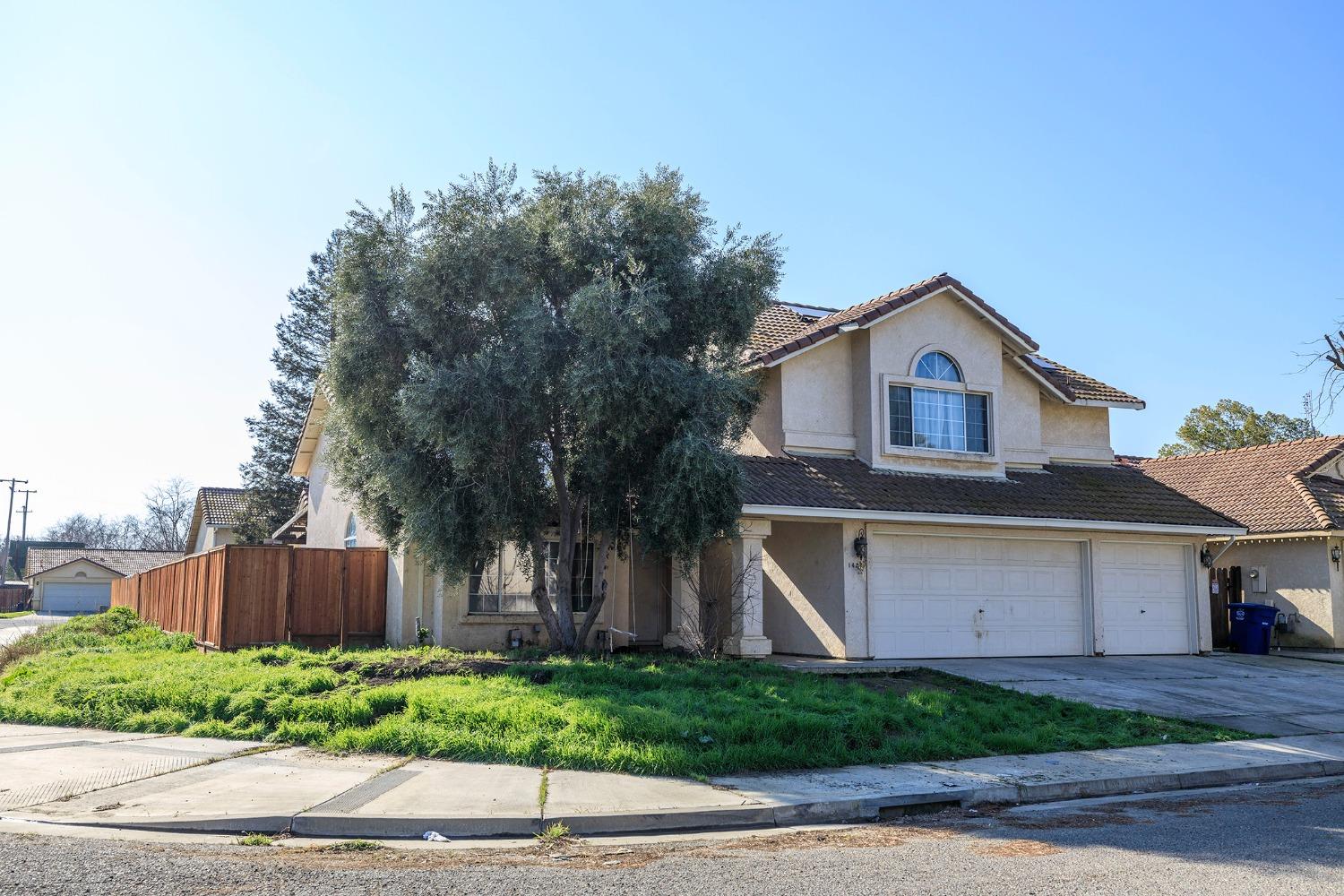
$497,000 – Gustine’s Borrelli Ranch home with In-Law Quarters. Approx. 3284sf with 7 bed/4bath home with many Possibilities. The Back Attached living Space is 2 bedrooms & 1 bath which was added in 2004. Would make excellent in-laws quarters. Solar that is leased. Large Entertaining Living Spaces with High Ceilings. Big Master Suite upstairs. 3-Car Garage. Could Make a Wonderful Family Home! Big Corner Lot with a BIG house.

Property Features

Bedrooms

  • Bedrooms: 7

Appliances

  • Equipment: Free Standing Gas Range, Dishwasher, Disposal
  • Laundry Facilities: Inside Room

Heating and Cooling

  • Cooling Features: Ceiling Fan(s), Central
  • Fireplace Features: Family Room
  • Heating Features: Central
  • Number of Fireplaces: 1

Bathrooms

  • Full Bathrooms: 4
  • Primary Bathroom Features: Closet, Shower Stall(s), Double Sinks, Tub
  • Bathroom 1 Features: Tub w/Shower Over

Interior Features

  • Interior Amenities: Lower Level: Bedroom(s), Living Room, Family Room, Retreat, Main Level: Bedroom(s), Living Room, Family Room, Garage, Retreat, Kitchen, Upper Level: Bedroom(s), Master Bedroom
  • Flooring: Tile

Kitchen and Dining

  • Dining Room Description: Dining/Family Combo
  • Kitchen Features: Kitchen/Family Combo, Tile Counter

Other Rooms

  • Family Room Features: Great Room
  • Living Room Features: Cathedral/Vaulted

Land Info

  • Lot Size Acres: 0.1702
  • Lot Size Dimensions: Approx. 7413sf
  • Lot Size Square Feet: 7414

Garage and Parking

  • Garage Spaces: 3
  • Garage Description: Garage Door Opener, Garage Facing Front

Home Features

  • View: City
  • Security Features: Carbon Mon Detector, Double Strapped Water Heater

Homeowners Association

  • Association: No
  • Calculated Total Monthly Association Fees: 0

School Information

  • School District: Merced

Other Property Info

  • Source Listing Status: Active
  • County: Merced
  • Cross Street: Via Jodi
  • Directions: Highway 33 to Jensen Place. Right or East on Via Del Pettorut. Wraps into Via Jodi. On the Corner of Via Jodi and Via Fraga.
  • Source Property Type: Single Family Residence
  • Area: Gustine
  • Source Neighborhood: 20413
  • Parcel Number: 063-373-021-000
  • Postal Code Plus 4: 1363
  • Zoning: RES
  • Property Subtype: Detached
  • Source System Name: C2C

Utilities

  • Electric: 220 Volts
  • Sewer: In & Connected
  • Cable Available
  • Public
  • Solar
  • Water Source: Public

Building and Construction

  • Year Built: 1999
  • Construction Materials: Stucco, Wood
  • Direction Faces: North
  • Foundation Details: Concrete
  • Levels: Multi/Split
  • Living Area Source: Assessor Agent-Fill
  • Property Age: 24
  • Roof: Roof Description: Tile
  • Levels or Stories: 2
  • House Style: A-Frame, Contemporary

How to Get a Mortgage

Not sure how to get a loan for a house? Here’s a step-by-step guide.

Getting a home loan isn’t just a big step, it’s an entire staircase — and it can take a long time to reach the top. There are times when the climb will feel dizzying, but knowing how to get a mortgage before you start can help you stay organized and feel more in control.

Ready to learn what it takes? Here’s how to get a mortgage, step by step.

1. Give yourself a financial checkup

Before you set off to get a mortgage, make sure you’re financially prepared for homeownership. Do you have a lot of debt? Do you have enough saved for a down payment? What about closing costs?

A home is a major purchase — maybe the biggest one you’ll ever make — so it’s no surprise that lenders really dig into borrowers’ finances before handing out house loans. If you’ve got substantial debt or don’t have much of a credit history, you may want to improve your financial health before applying for a mortgage.

A thorough understanding of your income and debts will help you know exactly how much house you can afford.

Additionally, know that lenders look closely at your credit score when determining your eligibility for a mortgage. The interest rate you’ll be offered depends heavily on your credit score.

Check your credit score, and if it needs work, build up your credit before you begin applying for a home loan. That can include paying down outstanding debt, disputing errors on your credit reports, and not opening any new accounts.

2. Identify the right mortgage

There are many types of house loans available. The one that’s best for you will depend on your financial situation and homeownership priorities. Here are some of the loan options you can consider:

Conventional or government-backed?

  • Conventional loans have stricter qualification requirements because they aren’t insured by the government, so they’re a better fit for borrowers with strong credit. The application process may have fewer hurdles than that for government-backed loans.

  • FHA loans are insured by the Federal Housing Administration. These loans can have more lenient credit score minimums and allow the use of gift money as part of the down payment.

  • VA loans are only available to active service members or veterans, and they’re backed by the Department of Veterans Affairs. These loans often require no down payment.

  • USDA loans are a program of the U.S. Department of Agriculture. These zero-down-payment home loans are for lower-income borrowers who live in rural areas.

  • Jumbo loans are conventional loans for properties that exceed conforming loan limits. They offer a way to buy homes in more expensive areas.

Fixed or adjustable rate?

  • Fixed-rate mortgages are popular because the mortgage interest rate doesn’t change over the life of the loan. The rate to which you initially agree will be the rate you keep until you sell the home or refinance.

  • Adjustable-rate mortgages have low introductory rates that start out fixed but can then fluctuate. If you don’t plan to stay in the home long, an adjustable-rate mortgage could yield savings.

Mortgage term?

  • A 30-year mortgage is the most common term. Monthly payments are generally smaller, but you’ll pay more interest overall than you would with a shorter-term loan.

  • Shorter term house loans, like 10- or 15-year mortgages, are also available. You pay less interest, but monthly payments can be steep. Lenders may offer other options, such as 20-year mortgages, that fall somewhere in between.

Down payment?

  • Some conventional loans can allow for a down payment as low as 3%, but if your down payment is less than 20%, you’ll also probably have to pay for private mortgage insurance, or PMI. This monthly expense is typical on low-down-payment mortgages to protect lenders in case the borrower fails to repay their loan. Once you get up to 20% equity in the home, you can take steps to cancel your PMI.

  • Some government-backed home loans do not require a down payment, while others let you make lower down payments. Depending on the type of loan and the amount of your down payment, you’ll have different requirements for mortgage insurance.

3. Research mortgage lenders

Look at multiple home loan lenders to find the one for you. There’s a wide array of lenders to consider, including traditional banks, online non-bank lenders, and credit unions. Consider starting with your own bank or credit union. Some offer lower interest rates for existing customers.

If you’re looking for a particular type of mortgage, you may want to zero in on specialty lenders. For example, if you know you want a VA loan, a lender that focuses on working with military borrowers may best fit your needs.

No matter what kind of loan you’re seeking, you’ll want to consider:

  • How do you prefer to communicate with the lender? Do you want an in-person experience, or are you comfortable with phone calls, emails or even texts?

  • Whether any sample rates you’re shown include points. These fees are interest that’s paid upfront, lowering the rate.

  • What the minimum qualifications are. For example, knowing a lender’s minimum credit score or down payment can help you determine if you’re ready to apply for pre-approval.

  • Whether the lender offers any unique programs that would fit your needs (for example, down payment assistance for first-time home buyers).

4. Get preapproved for a home loan

There are a couple of big advantages to getting a mortgage pre-approval. One, it shows sellers that you can make a solid offer up to a specific price. Two, it helps you figure out what your mortgage will really cost since you’ll get details on the rate, APR, fees, and other closing costs.

It’s smart to get preapproved by at least three lenders. Hey, you’ve already gone to the trouble of digging up all those preapproval documents — and comparing rates could potentially save thousands of dollars over the life of the loan. Plus, if you get all the preapprovals within a short period of time (30 days is safe), it only counts as one hard inquiry on your credit report.

5. Submit your application

Even if you’ve been preapproved, you’ll have to submit your most recent financial information when you formally apply for a home loan. This can include:

  • W-2 forms from the past two years.
  • Pay stubs from the past 30 days.
  • Federal tax returns from the past two years.
  • Proof of other sources of income.
  • Recent bank statements.
  • Details on long-term debts such as a car or student loans.
  • ID and Social Security number.
  • Documentation of sources for recent deposits in your bank accounts.
  • Documentation of any gifts or other funds used for your down payment.

There may be other kinds of documentation required, depending on the type of mortgage you’re getting.

Within three days of receiving your application, your lender will give you an initial loan estimate, which includes:

  • How much the loan will cost?

  • Associated fees and closing costs, including information on which costs you can shop for.

  • Interest rate and APR, or the annual cost a borrower pays for a loan, including certain fees, such as discount points.

Now that you know your interest rate, you can decide whether to buy discount points. These are upfront fee that lowers your rate by essentially prepaying interest. (If you opt to buy points, they’re included in your closing costs.) Points can be a good option if you plan on staying in your home for at least seven years.

6. Begin the underwriting process

Underwriting can be the most nerve-racking part of getting a mortgage, even if you’ve been preapproved. It’s more waiting, this time to get officially approved for the loan. You may also find yourself working with an underwriter rather than the loan officer who’s helped you up until this point.

During the underwriting process, the lender determines whether you’re eligible for the loan. Factors evaluated include:

The lender will take a look at your updated credit report and order a home appraisal. An appraisal tells the lender the market value of the home, since they won’t lend you more than the home is truly worth.

Meanwhile, you will schedule a home inspection, which will look for any defects in the home. Depending on how it goes, you may want to negotiate with the seller for repairs or a lower price before closing.

During the underwriting process, you’ll want to avoid making changes to your finances, such as switching jobs or taking out another line of credit. The same goes for large purchases that increase your debt, such as buying a car. Increasing your debt can lower your credit score, which could make the loan costlier — or even jeopardize your qualification.

Getting ready to buy a home? We’ll find you a highly-rated lender in just a few minutes.

7. Prepare for closing

Finally, your loan is approved! But you’ve got a few more steps to take before the process is complete.

  • Purchase homeowners insurance. Your lender will require you to do this. Shop around for the best policies.

  • Buy a lender’s title insurance policy. And while it’s not required, it’s wise to also purchase owner’s title insurance. Both policies offer protection in case there are problems with the title to the property down the road.

  • Do a final walk-through of the home. Make sure nothing has changed — and any agreed-upon repairs have been made — since the home inspection.

  • Review your updated loan estimate and closing disclosure. You’ll get this three days before the scheduled closing date. Compare these new documents to what you got when you were initially approved, so you can see if and how any costs have changed unexpectedly.

  • Get funds for your cash to close. Depending on what your lender requires, you may need a cashier’s check from your bank or a wire transfer to pay the final closing costs. Typically, you’ll pay between 2% and 5% of the home’s purchase price in closing costs. You can estimate your expenses using a closing costs calculator.

8. Close on the home

You’re almost done!

If you start having serious second thoughts at this point, you can still walk away. However, you might lose your deposit — also called earnest money — if you decide not to close.

Don’t be afraid to ask questions of your lender. Getting a mortgage comes with a lot of paperwork. Take the time to understand it all. Know what you’re signing and what you’re paying.

Your state’s laws will determine who’s present at closing. These people may include:

  • Your mortgage broker.
  • Your real estate agent.
  • Your attorney.
  • The seller’s attorney.
  • A title company representative.
  • The seller and the seller’s agent.
And that’s it — you made it to the top, and the loan is yours. It’s finally time to move into your new home!

Source:  keepingcurrentmatters.com ~ Image: keepingcurrentmatters.com